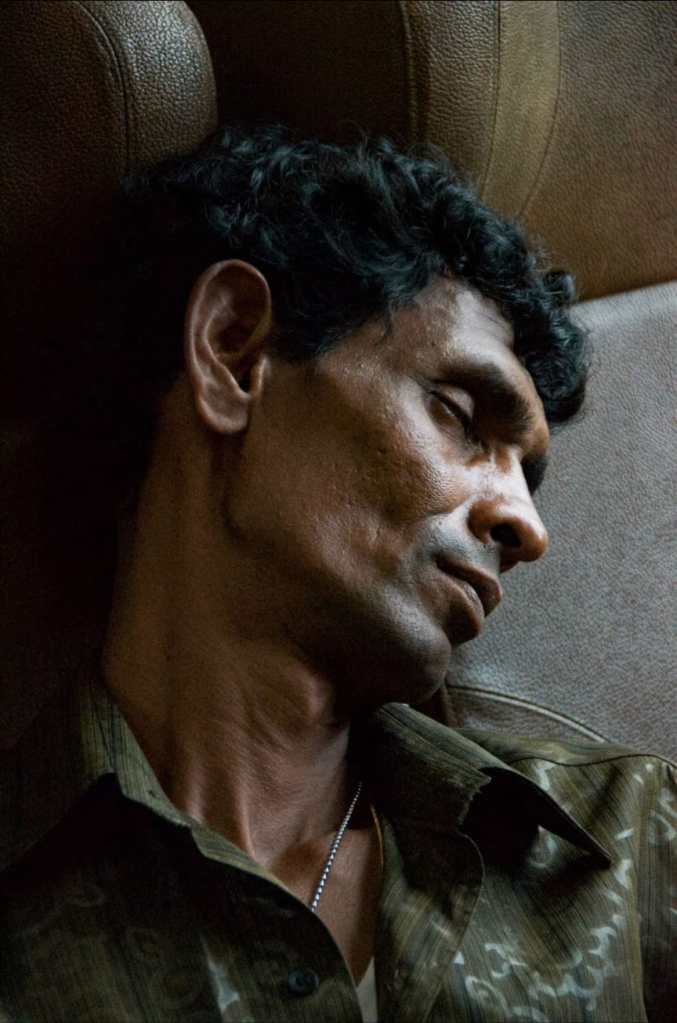
Memøry Høuse Art Project

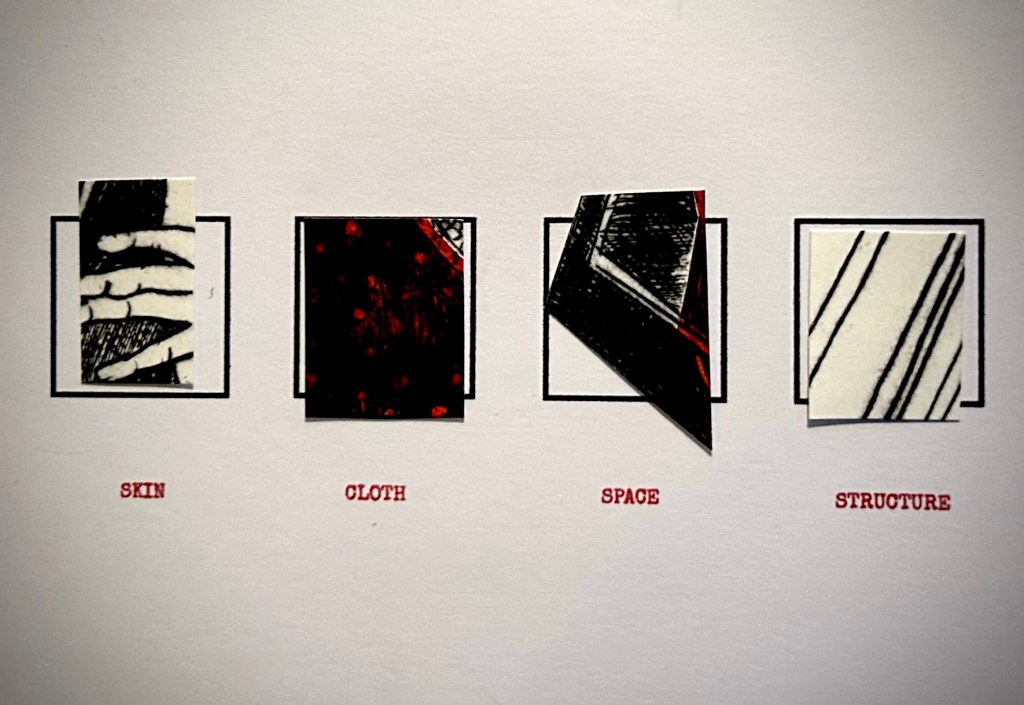
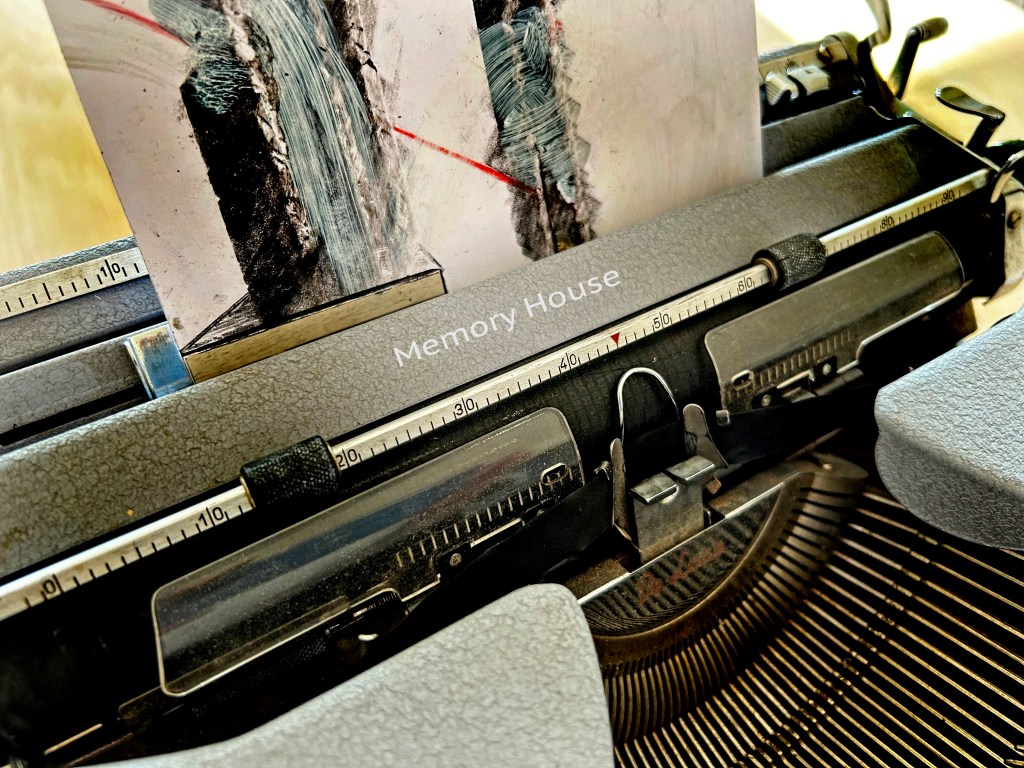
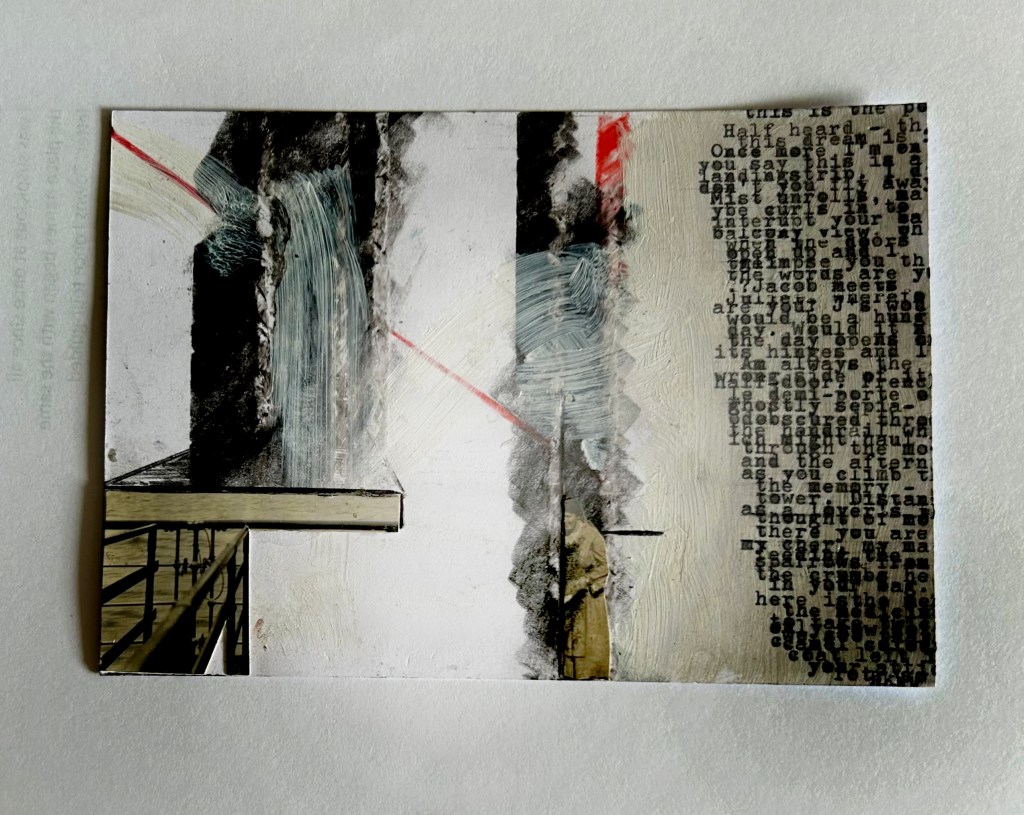
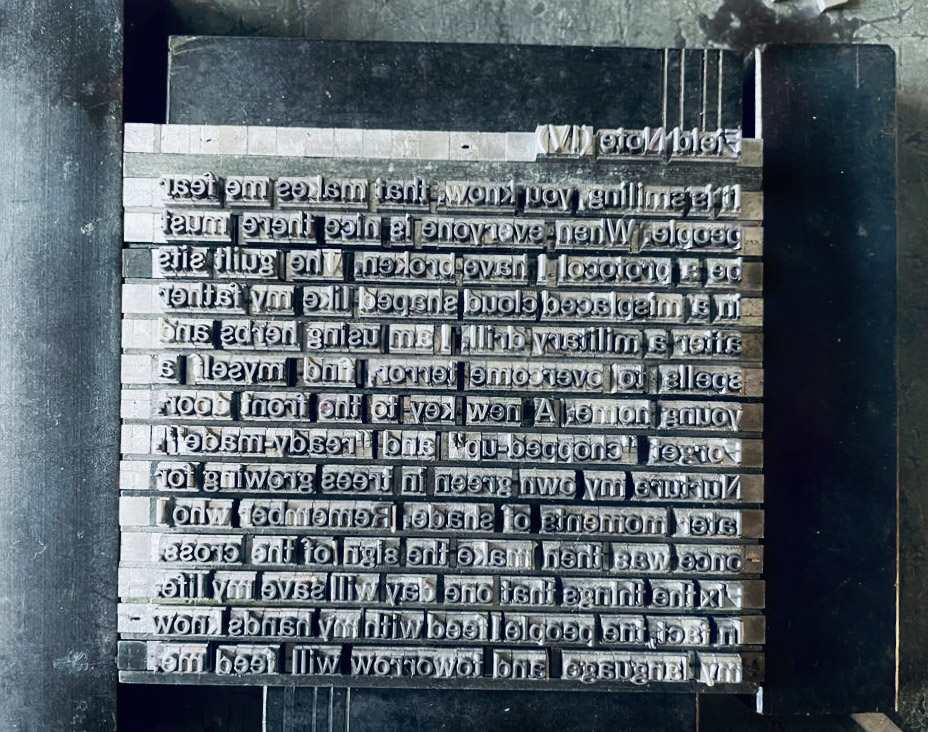
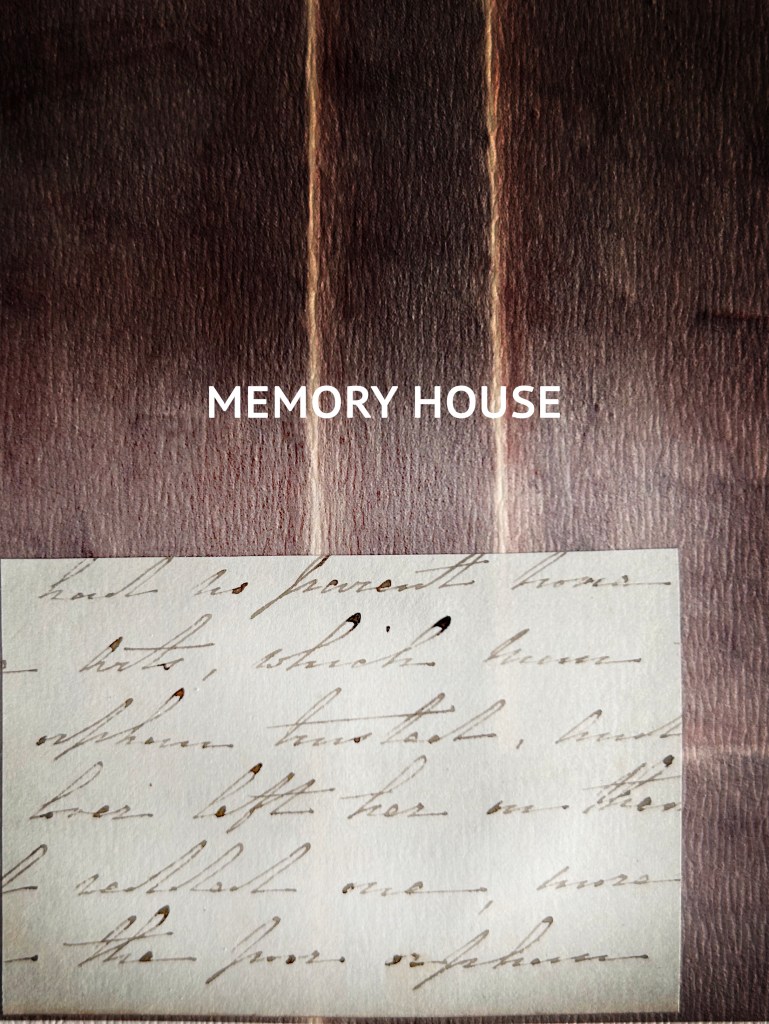
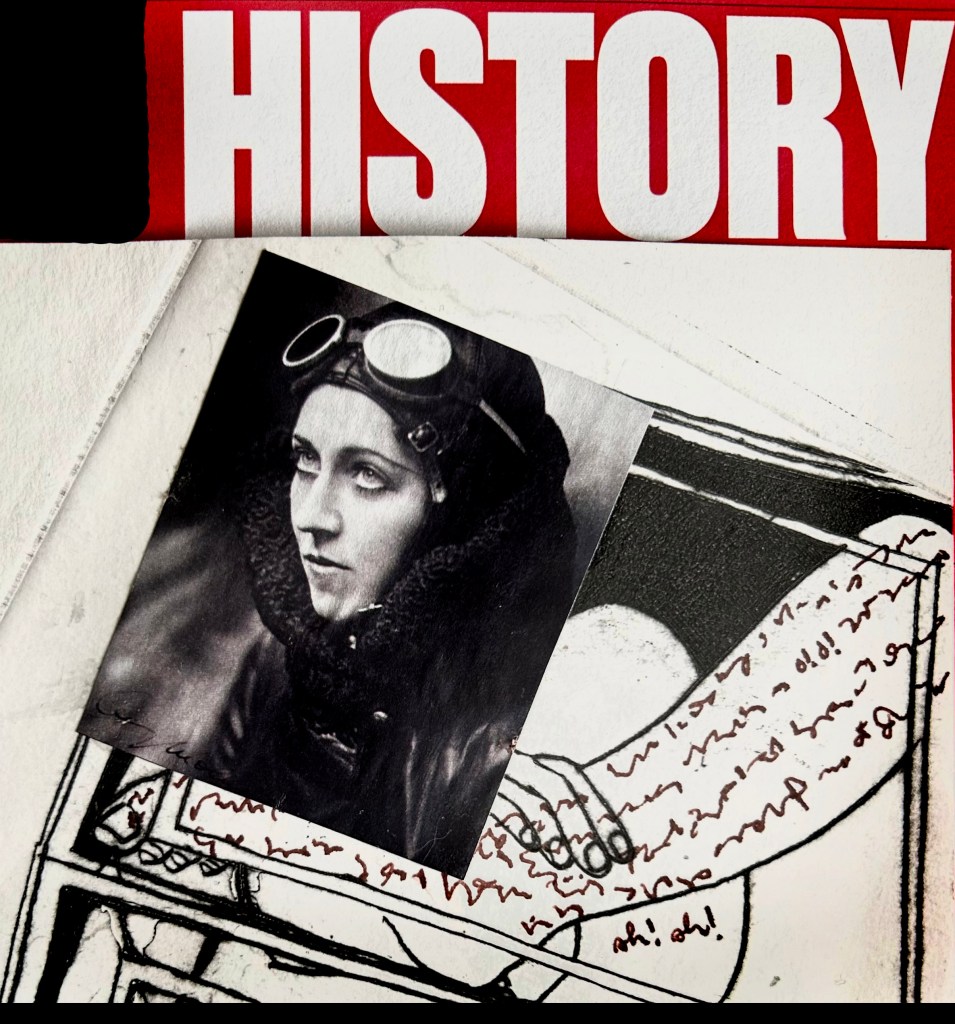
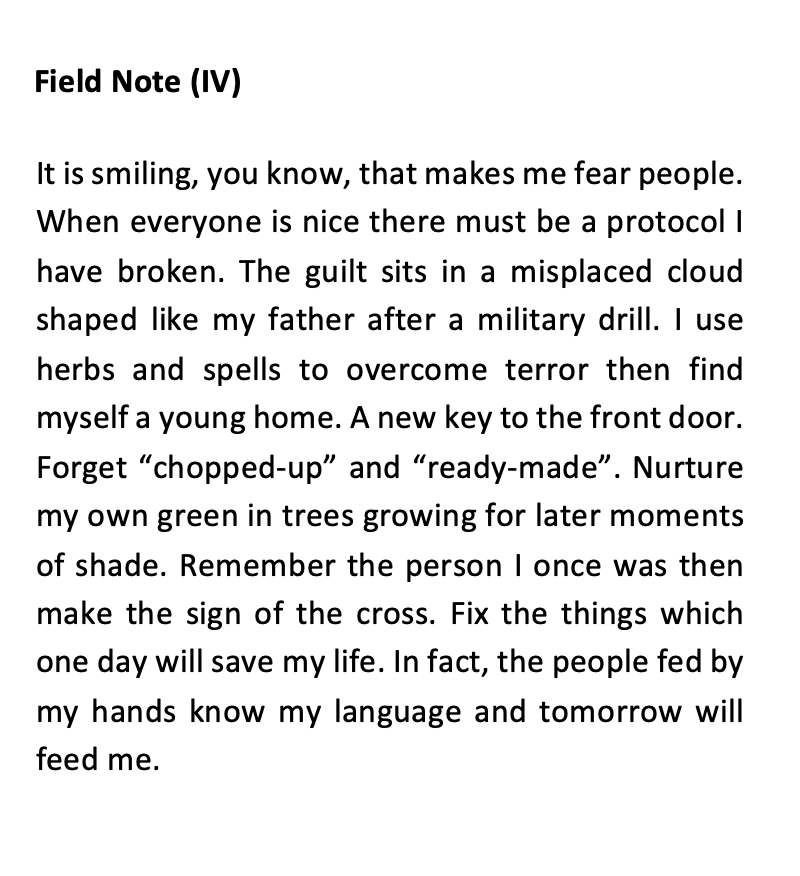
What I mostly remember about the past is a sum of absent encounters, people and things missing; summers, winters, in fact, years melted into a reservoir of images and experiences that are working their way slowly into my future. What I refuse to remember travels along as an indispensable companion to my imagination and my creativity. Understanding this companionship has been one reason for extending my PhD research on the Romanian diaspora in the United Kingdom and collective memory, to build Memøry Høuse. As an art collaboration, Memøry Høuse is searching for a point (or many points) of integrating social memories. Someone recently made me wonder whether this project is a constellation of remembering opportunities. It might possibly be true as not all memories make sense in words. Some are barely perceived in my body, in colour, in sound; or in places and in people. To some extent, my awareness of their existence often frees me from my own enslavement and, as a researcher and writer in this context, the enslavement of the generation I belong to: The Romanian Children of the Decree.

As the Memøry Høuse project evolves, my hope is that these memories will find a place of acknowledgment and, instead of travelling wildly, will begin to settle, find a home, or build their own house on a land that was once foreign but so familiar now.

My gratitude and so many thanks to the artists involved in this collaboration: Mark Mawer and Andrew Morrison.
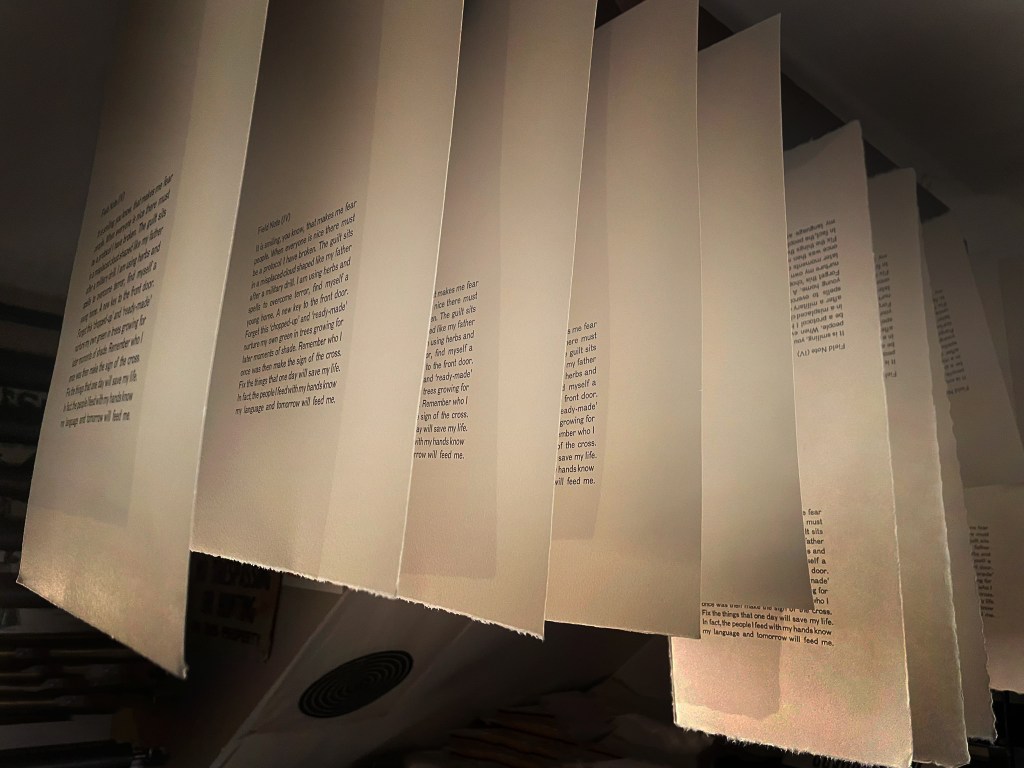
More updates will follow as the work continues. The exhibition Memøry Høuse will be on 20-26 February 2024 at the Lansdown Art Gallery, Stroud, Gloucestershire.

Publisher: Kerbstone Press

© Maria Stadnicka, November 2023

Memøry Høuse Art Project

What I mostly remember about the past is a sum of absent encounters, people and things missing; summers, winters, in fact, years melted into a reservoir of images and experiences that are working their way slowly into my future. What I refuse to remember travels along as an indispensable companion to my imagination and my creativity. Understanding this companionship has been one reason for extending my PhD research on the Romanian diaspora in the United Kingdom and collective memory, to build Memøry Høuse. As an art collaboration, Memøry Høuse is searching for a point (or many points) of integrating social memories. Someone recently made me wonder whether this project is a constellation of remembering opportunities. It might possibly be true as not all memories make sense in words. Some are barely perceived in my body, in colour, in sound; or in places and in people. To some extent, my awareness of their existence often frees me from my own enslavement and, as a researcher and writer in this context, the enslavement of the generation I belong to: The Romanian Children of the Decree.

As the Memøry Høuse project evolves, my hope is that these memories will find a place of acknowledgment and, instead of travelling wildly, will begin to settle, find a home, or build their own house on a land that was once foreign but so familiar now.

My gratitude and so many thanks to the artists involved in this collaboration: Mark Mawer and Andrew Morrison.

More updates will follow as the work continues. The exhibition Memøry Høuse will be on 21-25 February 2024 at the Lansdown Art Gallery, Stroud, Gloucestershire.

Publisher: Kerbstone Press

© Maria Stadnicka, November 2023

Memøry Høuse Art Project

What I mostly remember about the past is a sum of absent encounters, people and things missing; summers, winters, in fact, years melted into a reservoir of images and experiences that are working their way slowly into my future. What I refuse to remember travels along as an indispensable companion to my imagination and my creativity. Understanding this companionship has been one reason for extending my PhD research on the Romanian diaspora in the United Kingdom and collective memory, to build Memøry Høuse. As an art collaboration, Memøry Høuse is searching for a point (or many points) of integrating social memories. Someone recently made me wonder whether this project is a constellation of remembering opportunities. It might possibly be true as not all memories make sense in words. Some are barely perceived in my body, in colour, in sound; or in places and in people. To some extent, my awareness of their existence often frees me from my own enslavement and, as a researcher and writer in this context, the enslavement of the generation I belong to: The Romanian Children of the Decree.

As the Memøry Høuse project evolves, my hope is that these memories will find a place of acknowledgment and, instead of travelling wildly, will begin to settle, find a home, or build their own house on a land that was once foreign but so familiar now.

My gratitude and so many thanks to the artists involved in this collaboration: Mark Mawer and Andrew Morrison.

More updates will follow as the work continues. The exhibition Memøry Høuse will take place in February 2024 at the Lansdown Art Gallery, Stroud.

© Maria Stadnicka, September 2023

Memøry Høuse Art Project

What I mostly remember about the past is a sum of absent encounters, people and things missing; summers, winters, in fact, years melted into a reservoir of images and experiences that are working their way slowly into my future. What I refuse to remember travels along as an indispensable companion to my imagination and my creativity. Understanding this companionship has been one reason for extending my PhD research on the Romanian diaspora in the United Kingdom and collective memory, to build Memøry Høuse. As an art collaboration, Memøry Høuse is searching for a point (or many points) of integrating social memories. Someone recently made me wonder whether this project is a constellation of remembering opportunities. It might possibly be true as not all memories make sense in words. Some are barely perceived in my body, in colour, in sound; or in places and in people. To some extent, my awareness of their existence often frees me from my own enslavement and, as a researcher and writer in this context, the enslavement of the generation I belong to: The Romanian Children of the Decree.

As the Memøry Høuse project evolves, my hope is that these memories will find a place of acknowledgment and, instead of travelling wildly, will begin to settle, find a home, or build their own house on a land that was once foreign but so familiar now.

My gratitude and so many thanks to the artists involved in this collaboration: Amanda Bonney Lowery, Mark Mawer and Andrew Morrison.

More updates will follow as the work continues. The exhibition Memøry Høuse will take place in February 2024.

© Maria Stadnicka, September 2023

Memøry Høuse Art Project

What I mostly remember about the past is a sum of absent encounters, people and things missing; summers, winters, in fact, years melted into a reservoir of images and experiences that are working their way slowly into my future. What I refuse to remember travels along as an indispensable companion to my imagination and my creativity. Understanding this companionship has been one reason for extending my PhD research on the Romanian diaspora in the United Kingdom and collective memory, to build Memøry Høuse. As an art collaboration, Memøry Høuse is searching for a point (or many points) of integrating social memories. Someone recently made me wonder whether this project is a constellation of remembering opportunities. It might possibly be true as not all memories make sense in words. Some are barely perceived in my body, in colour, in sound; or in places and in people. To some extent, my awareness of their existence often frees me from my own enslavement and, as a researcher and writer in this context, the enslavement of the generation I belong to: The Romanian Children of the Decree.

As the Memøry Høuse project evolves, my hope is that these memories will find a place of acknowledgment and, instead of travelling wildly, will begin to settle, find a home, or build their own house on a land that was once foreign but so familiar now.

My gratitude and so many thanks to the artists involved in this collaboration: Amanda Bonney Lowery, Mark Mawer and Andrew Morrison.

More updates will follow as the work continues. The exhibition Memøry Høuse will take place in February 2024.

© Maria Stadnicka, September 2023

Memøry Høuse Art Project

What I mostly remember about the past is a sum of absent encounters, people and things missing; summers, winters, in fact, years melted into a reservoir of images and experiences that are working their way slowly into my future. What I refuse to remember travels along as an indispensable companion to my imagination and my creativity. Understanding this companionship has been one reason for extending my PhD research on the Romanian diaspora in the United Kingdom and collective memory, to build Memøry Høuse. As an art collaboration, Memøry Høuse is searching for a point (or many points) of integrating social memories. Someone recently made me wonder whether this project is a constellation of remembering opportunities. It might possibly be true as not all memories make sense in words. Some are barely perceived in my body, in colour, in sound; or in places and in people. To some extent, my awareness of their existence often frees me from my own enslavement and, as a researcher and writer in this context, the enslavement of the generation I belong to: The Romanian Children of the Decree.

As the Memøry Høuse project evolves, my hope is that these memories will find a place of acknowledgment and, instead of travelling wildly, will begin to settle, find a home, or build their own house on a land that was once foreign but so familiar now.

My gratitude and so many thanks to the artists involved in this collaboration: Amanda Bonney Lowery, Mark Mawer and Andrew Morrison.

More updates will follow as the work continues. The exhibition Memøry Høuse will take place in February 2024.

© Maria Stadnicka, September 2023

Memøry Høuse Art Project

What I mostly remember about the past is a sum of absent encounters, people and things missing; summers, winters, in fact, years melted into a reservoir of images and experiences that are working their way slowly into my future. What I refuse to remember travels along as an indispensable companion to my imagination and my creativity. Understanding this companionship has been one reason for extending my PhD research on the Romanian diaspora in the United Kingdom and collective memory, to build Memøry Høuse. As an art collaboration, Memøry Høuse is searching for a point (or many points) of integrating social memories. Someone recently made me wonder whether this project is a constellation of remembering opportunities. It might possibly be true as not all memories make sense in words. Some are barely perceived in my body, in colour, in sound; or in places and in people. To some extent, my awareness of their existence often frees me from my own enslavement and, as a researcher and writer in this context, the enslavement of the generation I belong to: The Romanian Children of the Decree.

As the Memøry Høuse project evolves, my hope is that these memories will find a place of acknowledgment and, instead of travelling wildly, will begin to settle, find a home, or build their own house on a land that was once foreign but so familiar now.

My gratitude and so many thanks to the artists involved in this collaboration: Amanda Bonney Lowery, Mark Mawer and Andrew Morrison.

More updates will follow as the work continues. The exhibition Memøry Høuse will take place in February 2024.

© Maria Stadnicka, September 2023

John Stadnicki Student Photography Award

On 24th August 2023 it will be a year since my husband, the photographer John Stadnicki died. His untimely and unexpected sudden death has had a great impact on every person who knew John over the years: family, friends, colleagues, students, ex-students, and the art community in Stroud, Gloucestershire, where he lived and worked.

John Stadnicki (1961 – 2022)

John worked at the South Gloucestershire and Stroud College for over thirty years and has been an integral part of the Arts Departments, especially the photography specialism. He was generous and supportive, and his life was about inspiring young people to believe in themselves and be the best version of themselves.

In recognition of John’s legacy and dedication to photography and to his students, SGS College has initiated the John Stadnicki Student Photography Award. The first edition took place at the end of the academic year 22-23. The prize was awarded to the first set of students,  based on the votes from former and current tutors, local photographers (both amateur and professional) and a public vote.

On 24th September 2023, I will be walking 21 miles in support of this initiative, together with Andrew Morrison, Jen Whiskerd, Adelaide Morris, Chris Morris and Amanda Bonney Lowery, as we would like for this award and legacy to continue in the years to come, and to support other talented students.

If you could like to join and / or support the award, please do. Access the link below:

https://www.justgiving.com/crowdfunding/creative-department-ssoa

My gratitude goes to the Art Department at SGS, and especially to Kayleigh Reynolds for co-ordinating this initiative and for working so hard to make it happen! My gratitude also goes to the friends joining the walk and supporting this initiative.

Here are the winners of the 1st edition of the John Stadnicki Student Photography Award 2022.

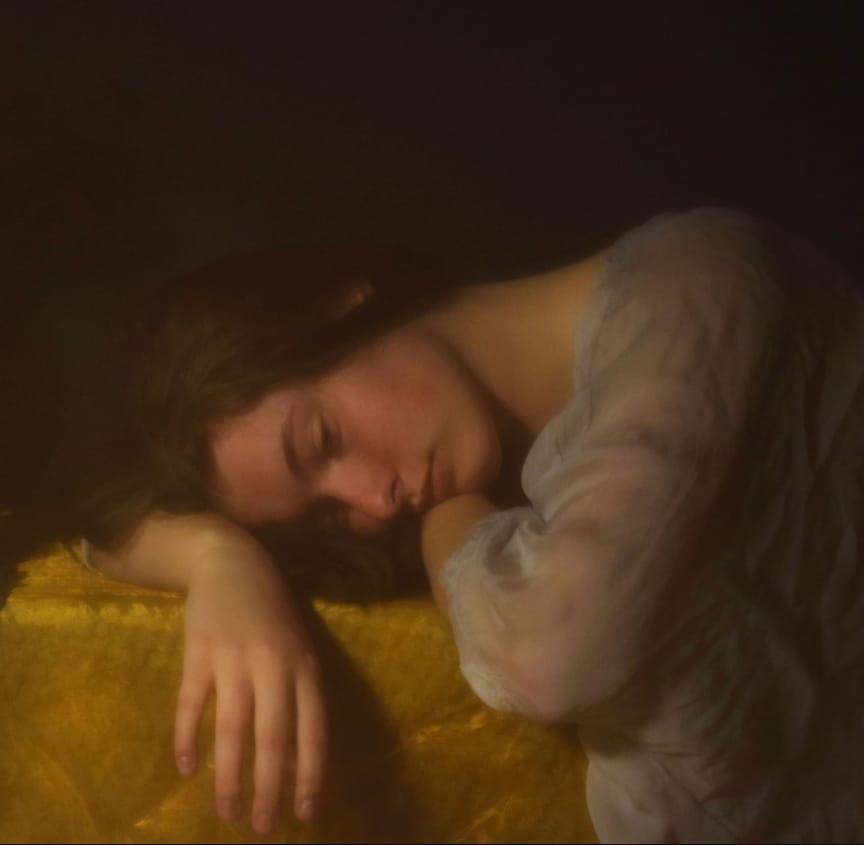
First place (winning £250): Bethan Seymour – Lady Lying.
Second Place (winning £100): Lottie Jones – Man Resting.
Third Place (winning £50): Martha Haslam – Fungi Close Up.

Thank you very much.

Maria Stadnicka