RE VENI RE

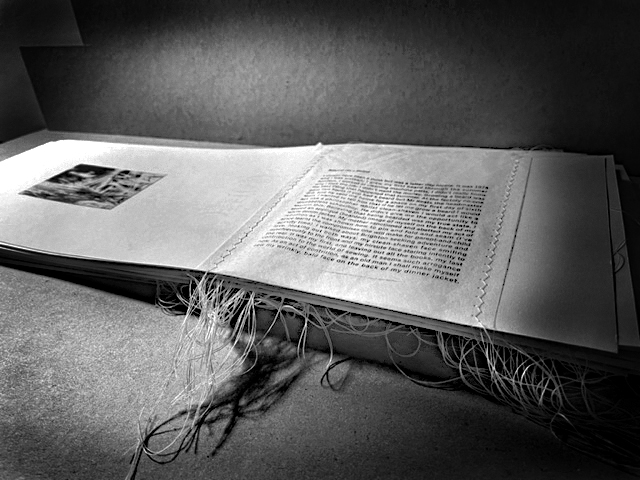
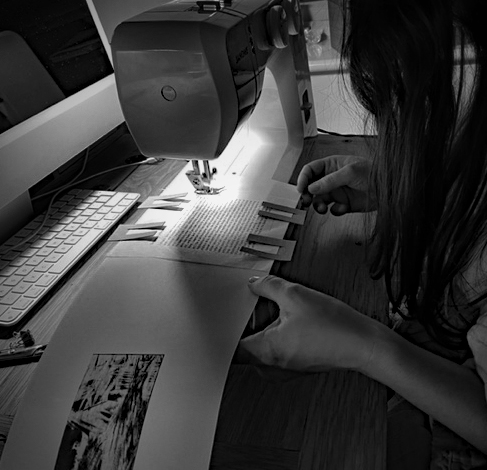
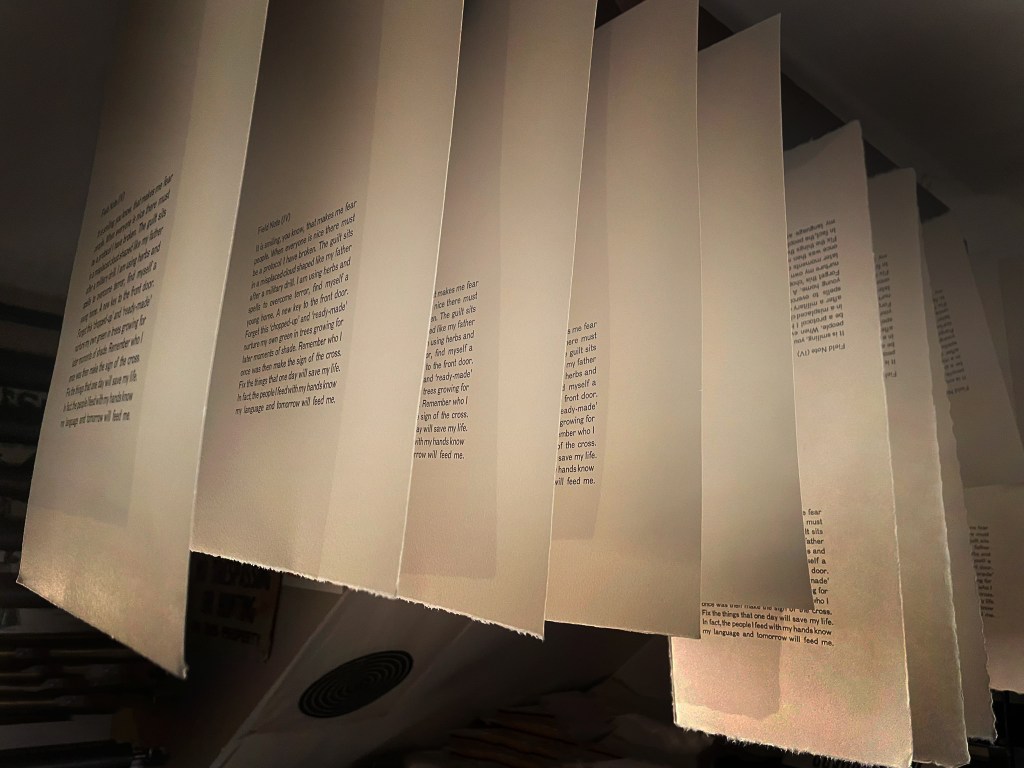
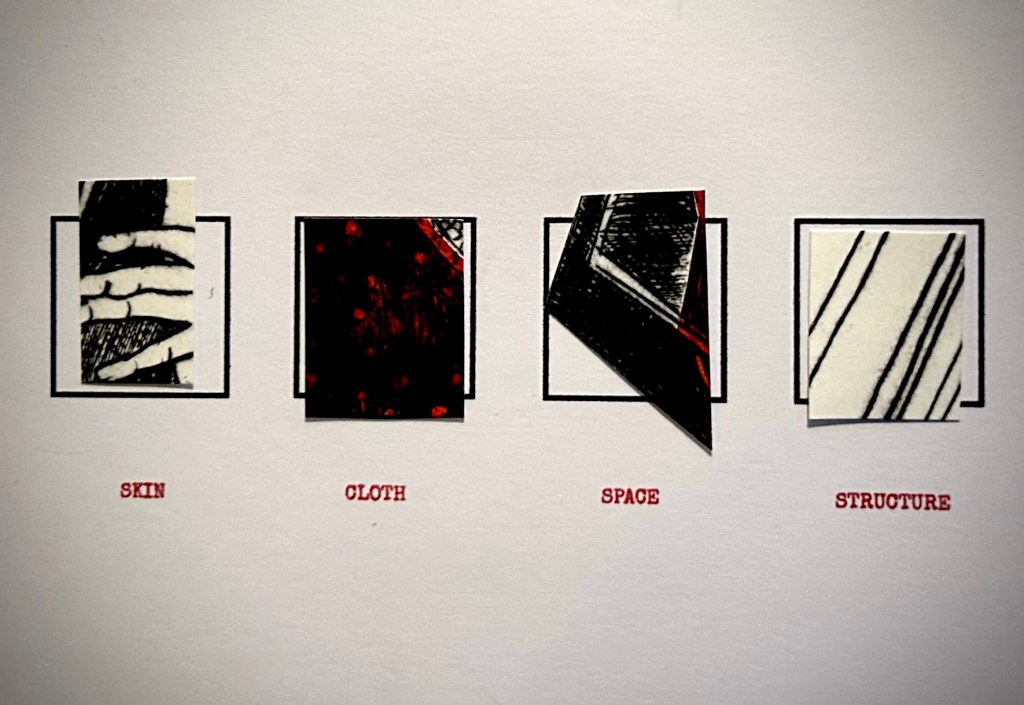
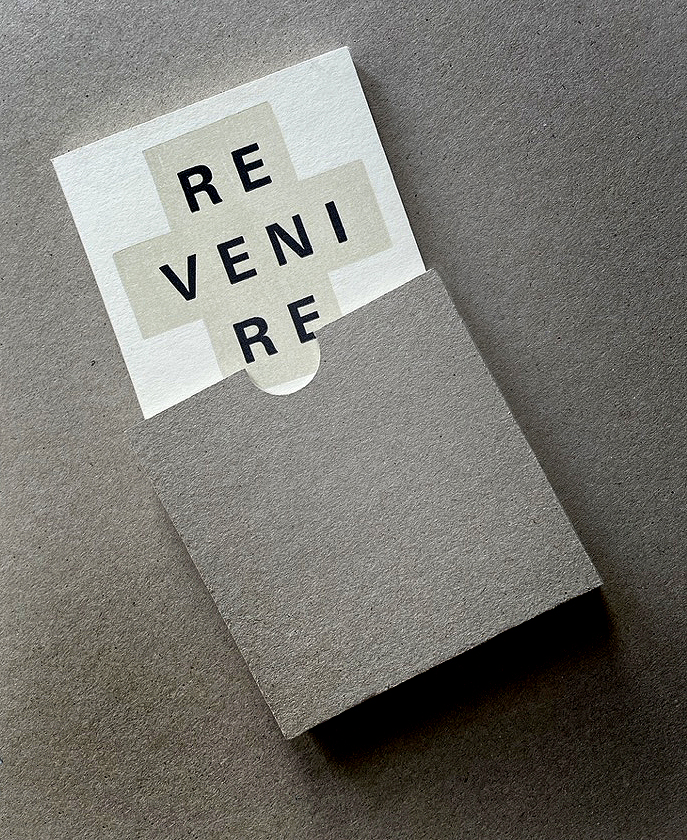
RE VENI RE is a limited edition artist book written by the poet and sociologist Maria Stadnicka and produced by the book artist Andrew Morrison, and it reflects the migration journey of Romanian diaspora settled in Britain. “Revenire” [trans. from Romanian] means “returning” and it contains texts based on interviews conducted by Maria with Romanian migrants for her PhD research into transgenerational trauma transmission. Each text has the same number of lines and they build a lyrical interpretation of stories enfolded by uprooting. Although each story is different, together they shape the commonality of a diasporic culture that is making its voice heard in the British space.

RE VENI RE is letterpress printed and published by Kerbstone Press, on the occasion of the Enfolded Journeys exhibition. The project Enfolded Journeys is a touring exhibition relating to travel, displacement, geographies and borders, and migration in recent times and in the past as the effects of such movements of peoples, whether compelled or voluntary, may resound through the generations.

RE VENI RE will be displayed in various art galleries across England, Scotland and Italy, starting with the Leeds Central Library (21 March – 5 April, 2025) and ending with Venice in 2026.

© Maria Stadnicka, February 2025

Memøry Høuse / Event Invite

“Memory HouseA’ book and art exhibition at the Lansdown Art Gallery, Stroud, Gloucestershire.

21 – 26 February 2024 open every day 9am – 5pm / Extended open day Wednesday 21st February 9am – 8pm.

We often think about time as being a social concept, anchored in a palpable present, routing between the past and the future but nevertheless a construct that makes sense once we engage, in perpetuity, with our human experiences. In fact, what is infinite and constantly subject to our imagination and our creative processes is the past; the memories stored, processed and shared, that integrate and ground our being.

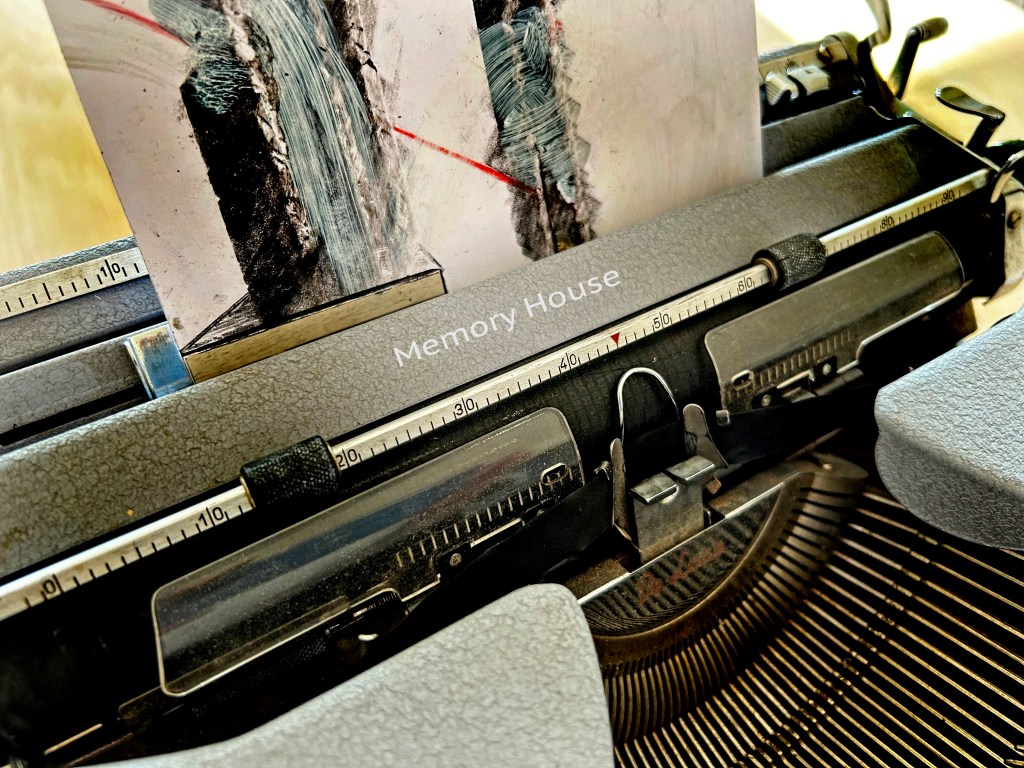
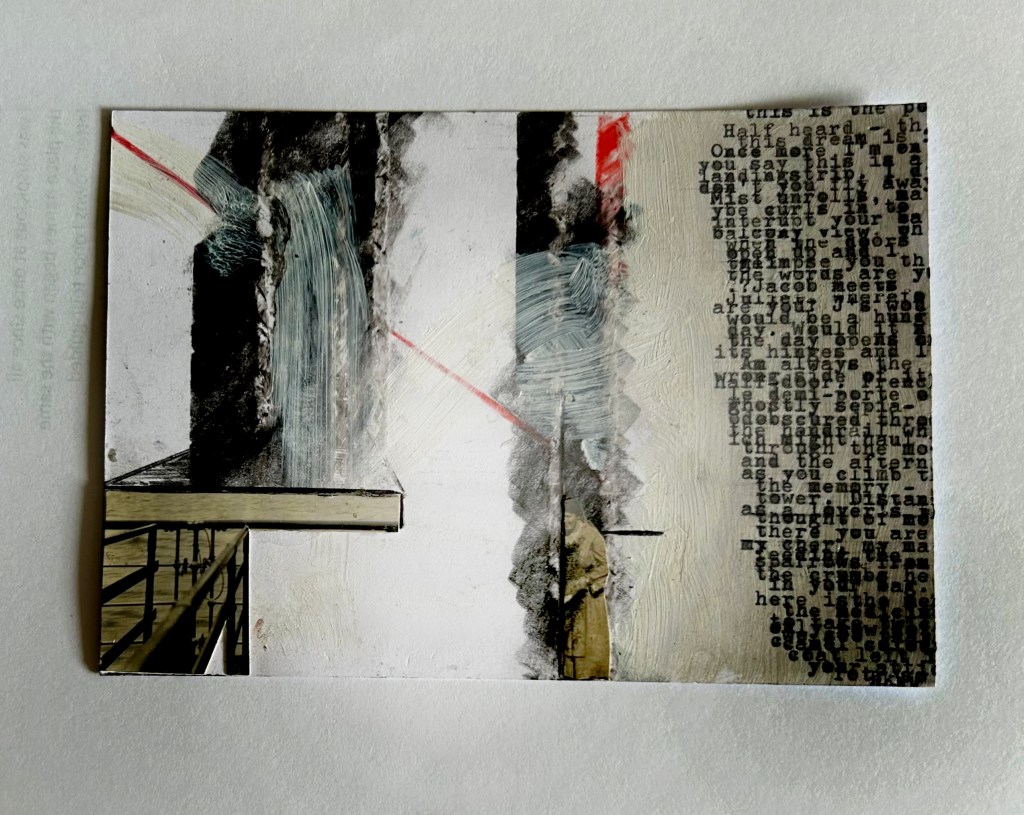
Memory House is an art collaboration searching to explore the collective aspect of memory that leads to social integration and reveals human commonalities beyond ethnicity, background or political colour. Memory House is a place where different generations and cultures reveal the archetypal aspects of our humanity.

Publisher: Kerbstone Press

© Maria Stadnicka, February 2024

Memøry Høuse / Event Invite

We often think about time as being a social concept, anchored in a palpable present, routing between the past and the future but nevertheless a construct that makes sense once we engage, in perpetuity, with our human experiences. In fact, what is infinite and constantly subject to our imagination and our creative processes is the past; the memories stored, processed and shared, that integrate and ground our being.

Memory House is an art collaboration searching to explore the collective aspect of memory that leads to social integration and reveals human commonalities beyond ethnicity, background or political colour. Memory House is a place where different generations and cultures reveal the archetypal aspects of our humanity.

Memory House includes new work by the artist Mark Mawer, printing and art book produced by the artist Andrew Morrison and writing by the poet and sociologist Maria Stadnicka whose research is focused on transgenerational transmissions.

Publisher: Kerbstone Press

© Maria Stadnicka, January 2024

Memøry Høuse / Event Invite

We often think about time as being a social concept, anchored in a palpable present, routing between the past and the future but nevertheless a construct that makes sense once we engage, in perpetuity, with our human experiences. In fact, what is infinite and constantly subject to our imagination and our creative processes is the past; the memories stored, processed and shared, that integrate and ground our being.

Memory House is an art collaboration searching to explore the collective aspect of memory that leads to social integration and reveals human commonalities beyond ethnicity, background or political colour. Memory House is a place where different generations and cultures reveal the archetypal aspects of our humanity.

Memory House includes new work by the artist Mark Mawer, printing and art book produced by the artist Andrew Morrison and writing by the poet and sociologist Maria Stadnicka whose research is focused on transgenerational transmissions.

Publisher: Kerbstone Press

© Maria Stadnicka, January 2024

Memøry Høuse Art Project

What I mostly remember about the past is a sum of absent encounters, people and things missing; summers, winters, in fact, years melted into a reservoir of images and experiences that are working their way slowly into my future. What I refuse to remember travels along as an indispensable companion to my imagination and my creativity. Understanding this companionship has been one reason for extending my PhD research on the Romanian diaspora in the United Kingdom and collective memory, to build Memøry Høuse. As an art collaboration, Memøry Høuse is searching for a point (or many points) of integrating social memories. Someone recently made me wonder whether this project is a constellation of remembering opportunities. It might possibly be true as not all memories make sense in words. Some are barely perceived in my body, in colour, in sound; or in places and in people. To some extent, my awareness of their existence often frees me from my own enslavement and, as a researcher and writer in this context, the enslavement of the generation I belong to: The Romanian Children of the Decree.

As the Memøry Høuse project evolves, my hope is that these memories will find a place of acknowledgment and, instead of travelling wildly, will begin to settle, find a home, or build their own house on a land that was once foreign but so familiar now.

My gratitude and so many thanks to the artists involved in this collaboration: Mark Mawer and Andrew Morrison.

Publisher: Kerbstone Press

© Maria Stadnicka, January 2024

Memøry Høuse Art Project

What I mostly remember about the past is a sum of absent encounters, people and things missing; summers, winters, in fact, years melted into a reservoir of images and experiences that are working their way slowly into my future. What I refuse to remember travels along as an indispensable companion to my imagination and my creativity. Understanding this companionship has been one reason for extending my PhD research on the Romanian diaspora in the United Kingdom and collective memory, to build Memøry Høuse. As an art collaboration, Memøry Høuse is searching for a point (or many points) of integrating social memories. Someone recently made me wonder whether this project is a constellation of remembering opportunities. It might possibly be true as not all memories make sense in words. Some are barely perceived in my body, in colour, in sound; or in places and in people. To some extent, my awareness of their existence often frees me from my own enslavement and, as a researcher and writer in this context, the enslavement of the generation I belong to: The Romanian Children of the Decree.

As the Memøry Høuse project evolves, my hope is that these memories will find a place of acknowledgment and, instead of travelling wildly, will begin to settle, find a home, or build their own house on a land that was once foreign but so familiar now.

My gratitude and so many thanks to the artists involved in this collaboration: Mark Mawer and Andrew Morrison.

More updates will follow as the work continues. The exhibition Memøry Høuse will be on 20-26 February 2024 at the Lansdown Art Gallery, Stroud, Gloucestershire.

Publisher: Kerbstone Press

© Maria Stadnicka, November 2023

Memøry Høuse Art Project

What I mostly remember about the past is a sum of absent encounters, people and things missing; summers, winters, in fact, years melted into a reservoir of images and experiences that are working their way slowly into my future. What I refuse to remember travels along as an indispensable companion to my imagination and my creativity. Understanding this companionship has been one reason for extending my PhD research on the Romanian diaspora in the United Kingdom and collective memory, to build Memøry Høuse. As an art collaboration, Memøry Høuse is searching for a point (or many points) of integrating social memories. Someone recently made me wonder whether this project is a constellation of remembering opportunities. It might possibly be true as not all memories make sense in words. Some are barely perceived in my body, in colour, in sound; or in places and in people. To some extent, my awareness of their existence often frees me from my own enslavement and, as a researcher and writer in this context, the enslavement of the generation I belong to: The Romanian Children of the Decree.

As the Memøry Høuse project evolves, my hope is that these memories will find a place of acknowledgment and, instead of travelling wildly, will begin to settle, find a home, or build their own house on a land that was once foreign but so familiar now.

My gratitude and so many thanks to the artists involved in this collaboration: Mark Mawer and Andrew Morrison.

More updates will follow as the work continues. The exhibition Memøry Høuse will be on 21-25 February 2024 at the Lansdown Art Gallery, Stroud, Gloucestershire.

Publisher: Kerbstone Press

© Maria Stadnicka, November 2023

Memøry Høuse Art Project

What I mostly remember about the past is a sum of absent encounters, people and things missing; summers, winters, in fact, years melted into a reservoir of images and experiences that are working their way slowly into my future. What I refuse to remember travels along as an indispensable companion to my imagination and my creativity. Understanding this companionship has been one reason for extending my PhD research on the Romanian diaspora in the United Kingdom and collective memory, to build Memøry Høuse. As an art collaboration, Memøry Høuse is searching for a point (or many points) of integrating social memories. Someone recently made me wonder whether this project is a constellation of remembering opportunities. It might possibly be true as not all memories make sense in words. Some are barely perceived in my body, in colour, in sound; or in places and in people. To some extent, my awareness of their existence often frees me from my own enslavement and, as a researcher and writer in this context, the enslavement of the generation I belong to: The Romanian Children of the Decree.

As the Memøry Høuse project evolves, my hope is that these memories will find a place of acknowledgment and, instead of travelling wildly, will begin to settle, find a home, or build their own house on a land that was once foreign but so familiar now.

My gratitude and so many thanks to the artists involved in this collaboration: Mark Mawer and Andrew Morrison.

More updates will follow as the work continues. The exhibition Memøry Høuse will take place in February 2024 at the Lansdown Art Gallery, Stroud.

© Maria Stadnicka, September 2023

Memøry Høuse Art Project

What I mostly remember about the past is a sum of absent encounters, people and things missing; summers, winters, in fact, years melted into a reservoir of images and experiences that are working their way slowly into my future. What I refuse to remember travels along as an indispensable companion to my imagination and my creativity. Understanding this companionship has been one reason for extending my PhD research on the Romanian diaspora in the United Kingdom and collective memory, to build Memøry Høuse. As an art collaboration, Memøry Høuse is searching for a point (or many points) of integrating social memories. Someone recently made me wonder whether this project is a constellation of remembering opportunities. It might possibly be true as not all memories make sense in words. Some are barely perceived in my body, in colour, in sound; or in places and in people. To some extent, my awareness of their existence often frees me from my own enslavement and, as a researcher and writer in this context, the enslavement of the generation I belong to: The Romanian Children of the Decree.

As the Memøry Høuse project evolves, my hope is that these memories will find a place of acknowledgment and, instead of travelling wildly, will begin to settle, find a home, or build their own house on a land that was once foreign but so familiar now.

My gratitude and so many thanks to the artists involved in this collaboration: Amanda Bonney Lowery, Mark Mawer and Andrew Morrison.

More updates will follow as the work continues. The exhibition Memøry Høuse will take place in February 2024.

© Maria Stadnicka, September 2023

Memøry Høuse Art Project

What I mostly remember about the past is a sum of absent encounters, people and things missing; summers, winters, in fact, years melted into a reservoir of images and experiences that are working their way slowly into my future. What I refuse to remember travels along as an indispensable companion to my imagination and my creativity. Understanding this companionship has been one reason for extending my PhD research on the Romanian diaspora in the United Kingdom and collective memory, to build Memøry Høuse. As an art collaboration, Memøry Høuse is searching for a point (or many points) of integrating social memories. Someone recently made me wonder whether this project is a constellation of remembering opportunities. It might possibly be true as not all memories make sense in words. Some are barely perceived in my body, in colour, in sound; or in places and in people. To some extent, my awareness of their existence often frees me from my own enslavement and, as a researcher and writer in this context, the enslavement of the generation I belong to: The Romanian Children of the Decree.

As the Memøry Høuse project evolves, my hope is that these memories will find a place of acknowledgment and, instead of travelling wildly, will begin to settle, find a home, or build their own house on a land that was once foreign but so familiar now.

My gratitude and so many thanks to the artists involved in this collaboration: Amanda Bonney Lowery, Mark Mawer and Andrew Morrison.

More updates will follow as the work continues. The exhibition Memøry Høuse will take place in February 2024.

© Maria Stadnicka, September 2023