Memøry Høuse Art Project

What I mostly remember about the past is a sum of absent encounters, people and things missing; summers, winters, in fact, years melted into a reservoir of images and experiences that are working their way slowly into my future. What I refuse to remember travels along as an indispensable companion to my imagination and my creativity. Understanding this companionship has been one reason for extending my PhD research on the Romanian diaspora in the United Kingdom and collective memory, to build Memøry Høuse. As an art collaboration, Memøry Høuse is searching for a point (or many points) of integrating social memories. Someone recently made me wonder whether this project is a constellation of remembering opportunities. It might possibly be true as not all memories make sense in words. Some are barely perceived in my body, in colour, in sound; or in places and in people. To some extent, my awareness of their existence often frees me from my own enslavement and, as a researcher and writer in this context, the enslavement of the generation I belong to: The Romanian Children of the Decree.

As the Memøry Høuse project evolves, my hope is that these memories will find a place of acknowledgment and, instead of travelling wildly, will begin to settle, find a home, or build their own house on a land that was once foreign but so familiar now.

My gratitude and so many thanks to the artists involved in this collaboration: Amanda Bonney Lowery, Mark Mawer and Andrew Morrison.
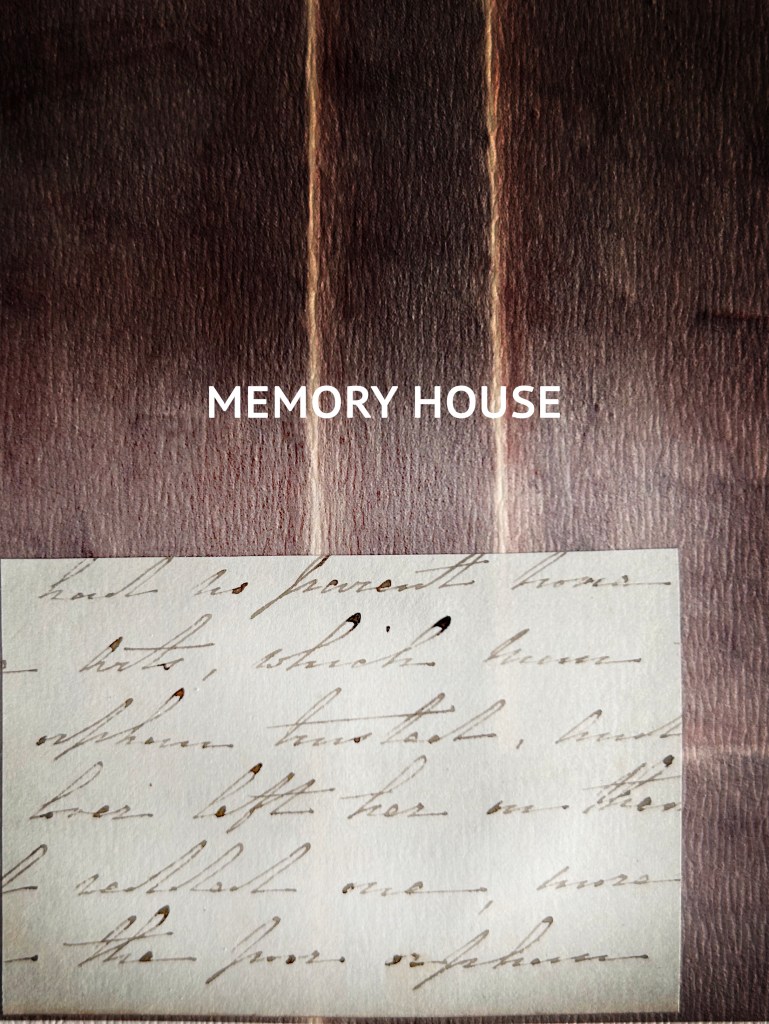
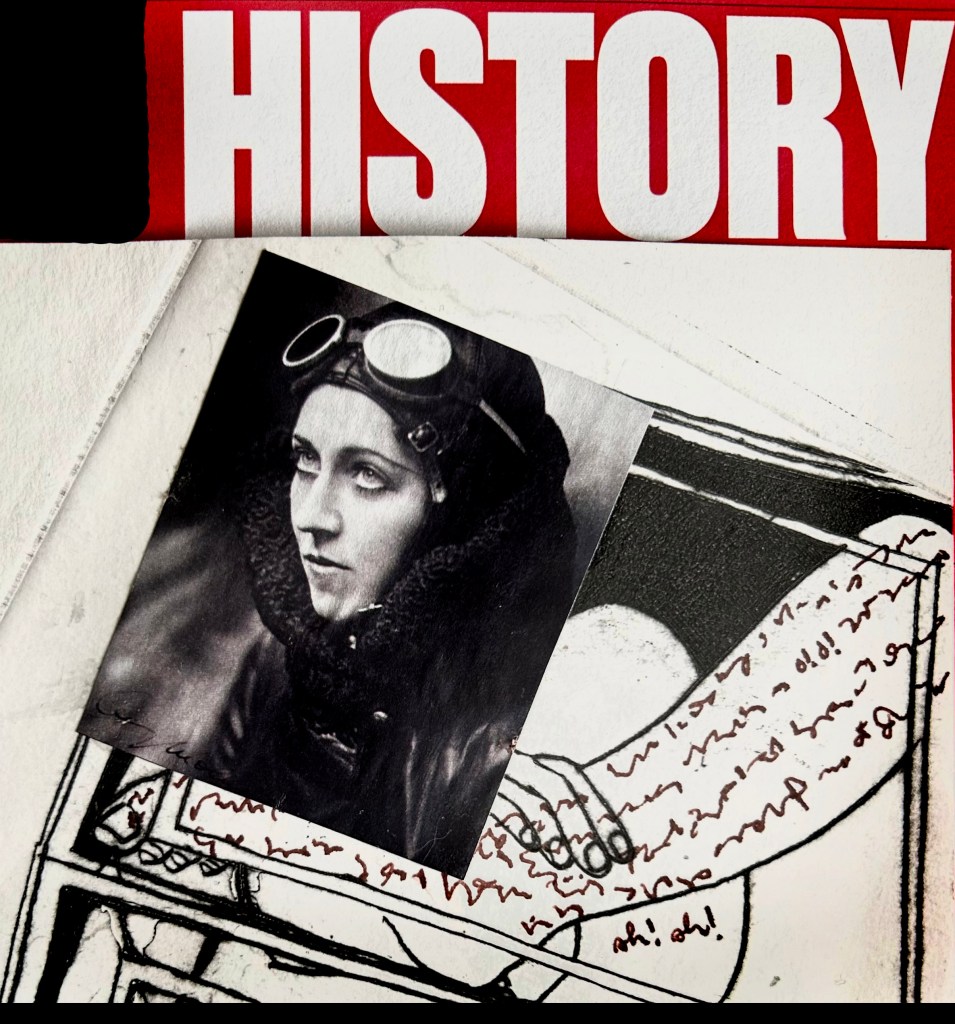
More updates will follow as the work continues. The exhibition Memøry Høuse will take place in February 2024.

© Maria Stadnicka, September 2023
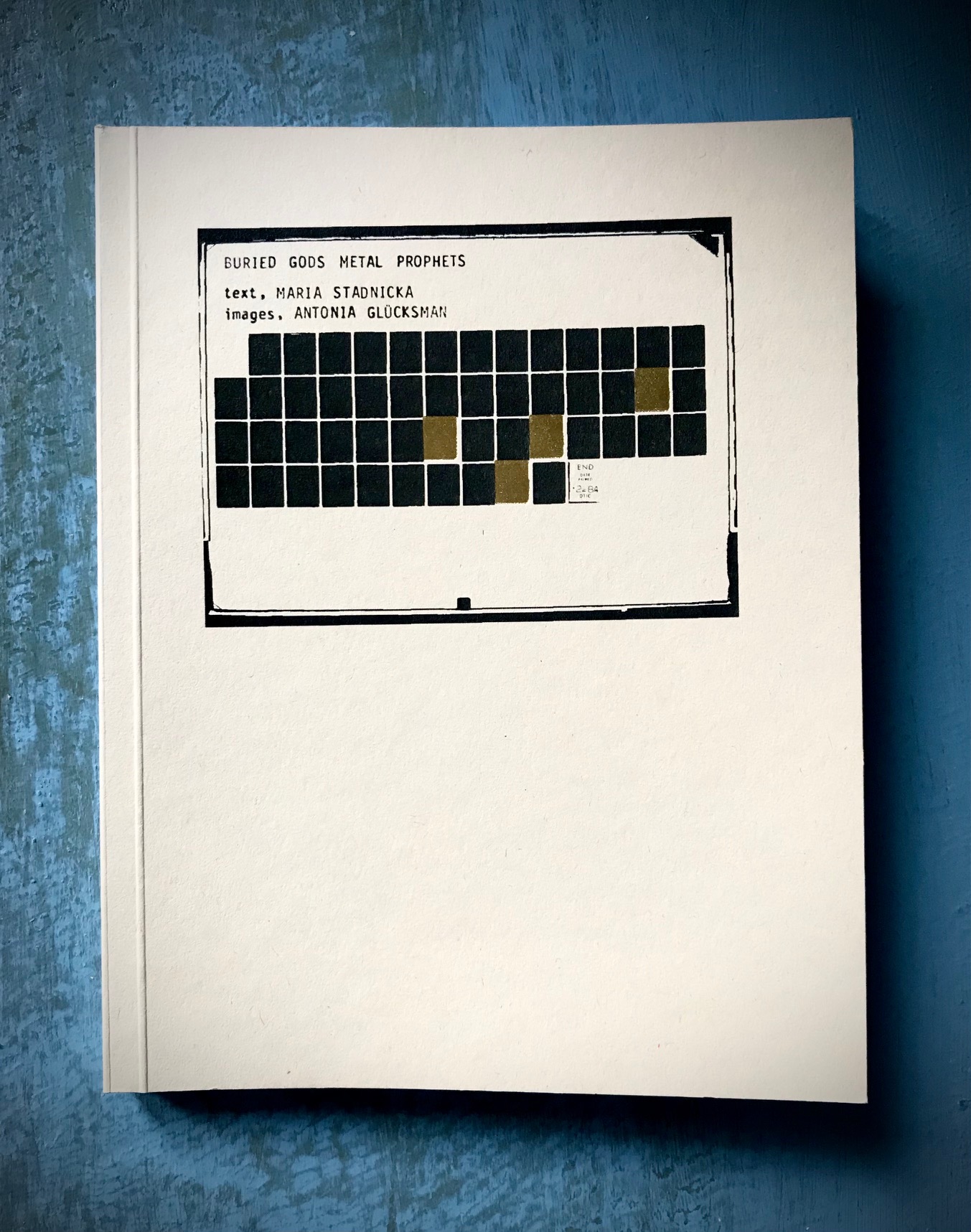
‘Buried Gods Metal Prophets’ out on 11 Feb. 2021

Buried Gods Metal Prophets published by the Guillemot Press, UK.

Editors: Luke Thompson and Sarah Cave

Design and illustrations: Antonia Glücksman

Free online launch on 11 Feb. 2021 at 7pm. Please register using the Guillemot’s Events Page which is available here: https://www.guillemotpress.co.uk/events/11th-february-book-launch-maria-stadnicka-featuring-susie-campbell.

About Buried Gods Metal Prophets:

Maria Stadnicka’s latest poetry collection Buried Gods Metal Prophets is inspired by the experiences of her siblings, who lived in a Romanian children’s home between 1978-1987. This was the period of Romania’s Communist Party’s disastrous ‘Decree 770’, which banned contraception and abortion, at the same time as awarding women with more than five children an ‘Order of the Heroine Mother’. As a result, an estimated twelve million illegal abortions took place between 1967 and 1989 and over 250,000 children were placed in orphanages or care homes.

Stadnicka builds a polyphonic poetic documentary inspired by Julia Kristeva’s idea that poetry can establish ‘space and infinity’ beyond the restriction of linear poetics. The juxtaposition of narratives builds a world in which the omnipresent voice of the government echoes in the mechanised communication between the state and the individual, as well as in the control over the process of information dissemination in a climate where the private ownership of a typewriter without state permission, meant prison sentence.

Buried Gods Metal Prophets is based on her personal experience when working as a teacher at St. Stelian Orphanage which cared for three hundred children diagnosed with HIV and AIDS. Exposing the reality of living in state care during the Cold War, it explores the spectre of political and human tyranny that can contribute to a generational socio-cultural trauma. Children are called by numbers, not by names, and even the letters they write to Santa Claus are subject to censorship.

The creative process was informed by interviews with family members, and research around childhood trauma, neglect and child language development. The book responds to what Sartre calls literary ‘commitment and substance of enterprise’, looking at survival as an act of defiance.

January 2021