Memøry Høuse Art Project

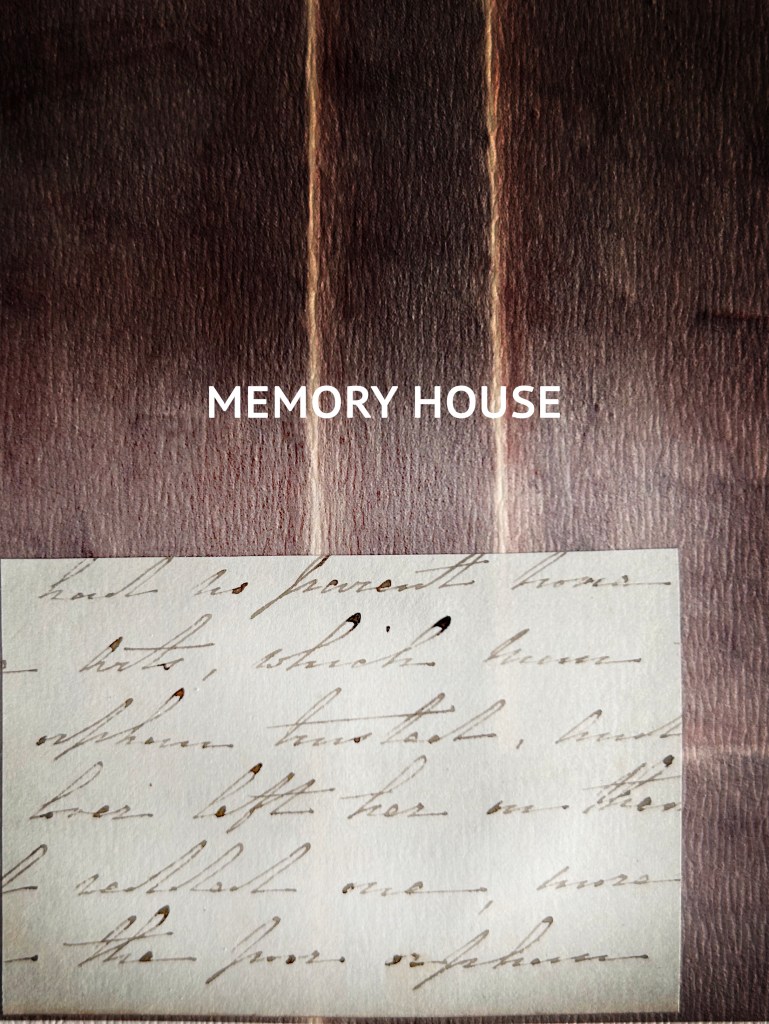
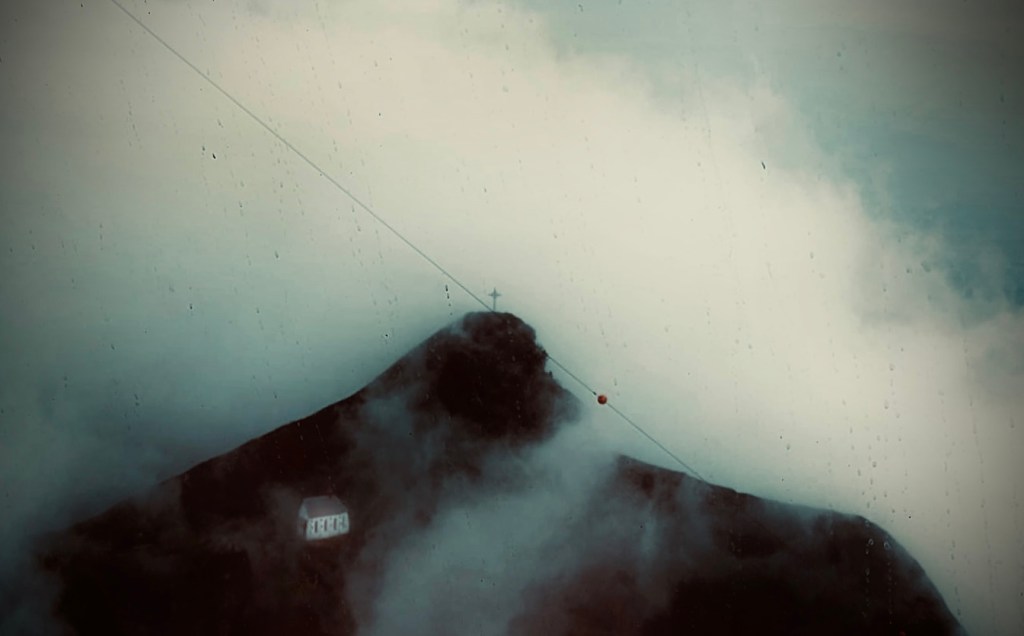
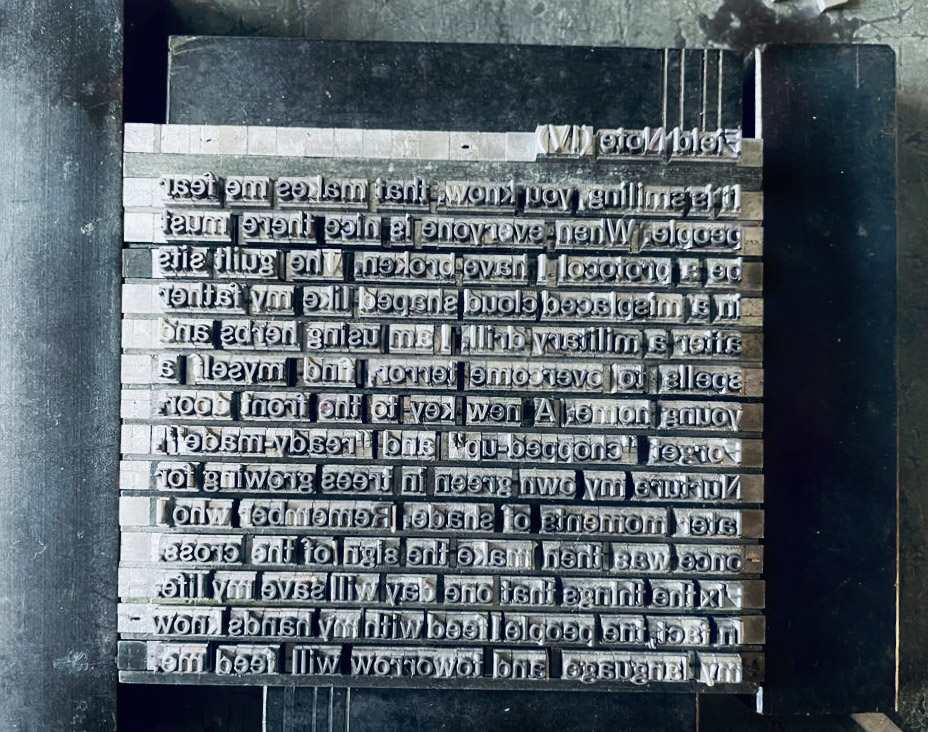
What I mostly remember about the past is a sum of absent encounters, people and things missing; summers, winters, in fact, years melted into a reservoir of images and experiences that are working their way slowly into my future. What I refuse to remember travels along as an indispensable companion to my imagination and my creativity. Understanding this companionship has been one reason for extending my PhD research on the Romanian diaspora in the United Kingdom and collective memory, to build Memøry Høuse. As an art collaboration, Memøry Høuse is searching for a point (or many points) of integrating social memories. Someone recently made me wonder whether this project is a constellation of remembering opportunities. It might possibly be true as not all memories make sense in words. Some are barely perceived in my body, in colour, in sound; or in places and in people. To some extent, my awareness of their existence often frees me from my own enslavement and, as a researcher and writer in this context, the enslavement of the generation I belong to: The Romanian Children of the Decree.

As the Memøry Høuse project evolves, my hope is that these memories will find a place of acknowledgment and, instead of travelling wildly, will begin to settle, find a home, or build their own house on a land that was once foreign but so familiar now.

My gratitude and so many thanks to the artists involved in this collaboration: Amanda Bonney Lowery, Mark Mawer and Andrew Morrison.
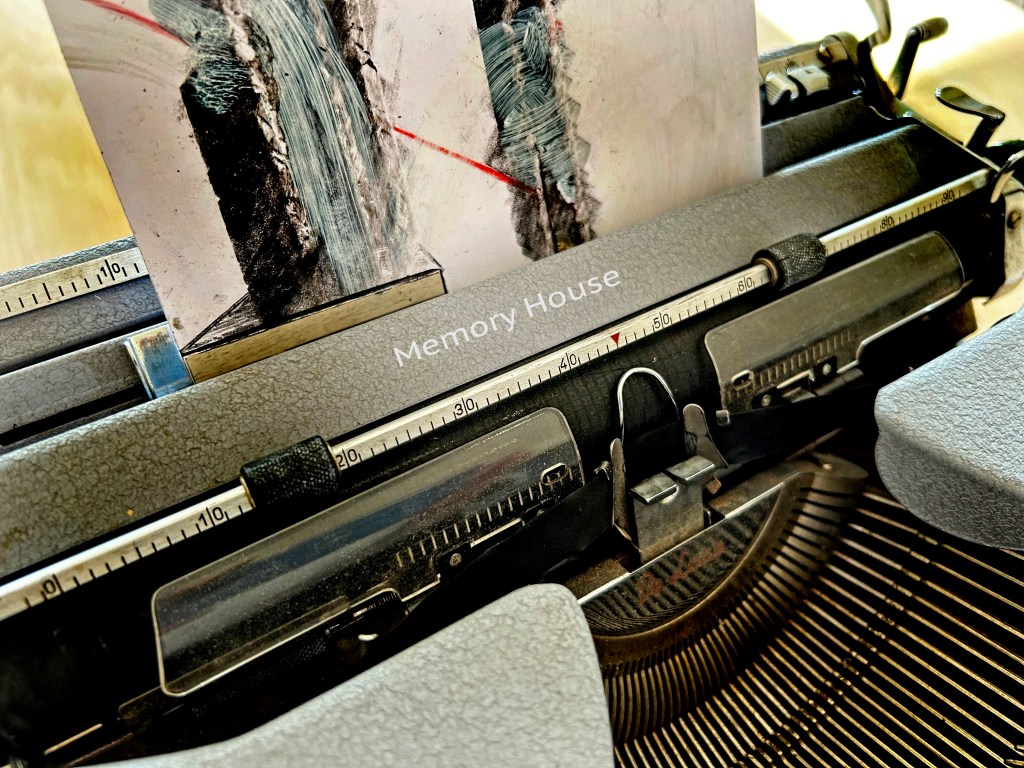
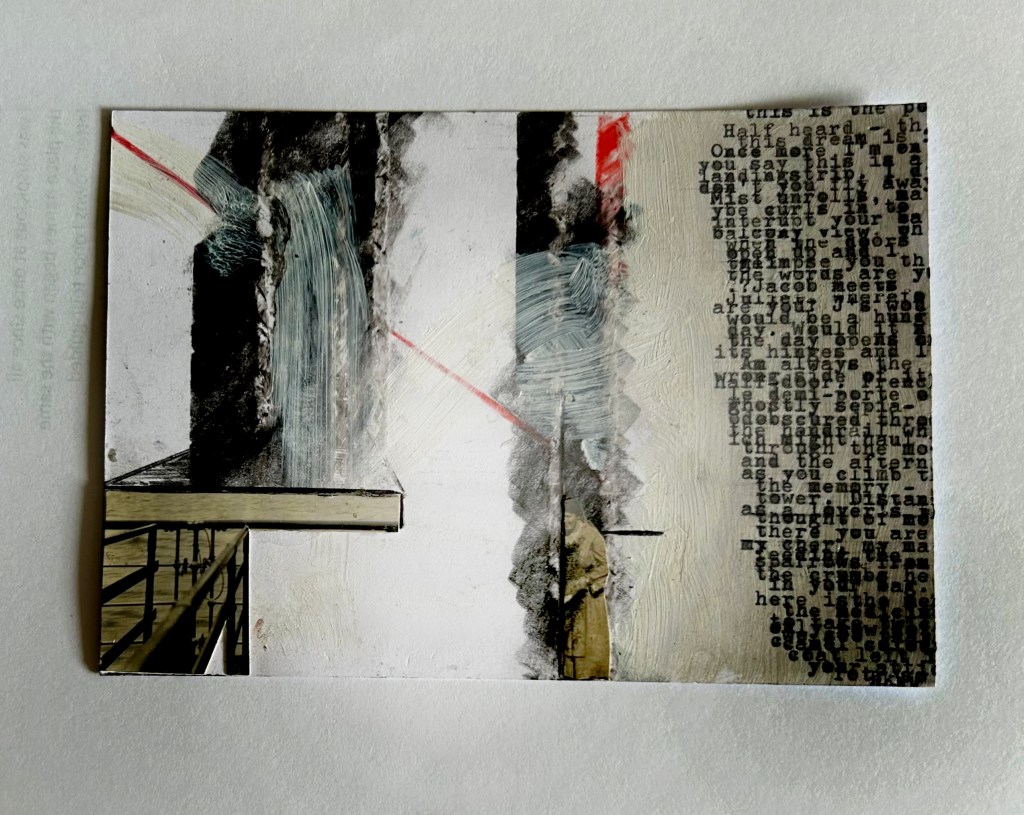
More updates will follow as the work continues. The exhibition Memøry Høuse will take place in February 2024.

© Maria Stadnicka, September 2023

Memøry Høuse Art Project

What I mostly remember about the past is a sum of absent encounters, people and things missing; summers, winters, in fact, years melted into a reservoir of images and experiences that are working their way slowly into my future. What I refuse to remember travels along as an indispensable companion to my imagination and my creativity. Understanding this companionship has been one reason for extending my PhD research on the Romanian diaspora in the United Kingdom and collective memory, to build Memøry Høuse. As an art collaboration, Memøry Høuse is searching for a point (or many points) of integrating social memories. Someone recently made me wonder whether this project is a constellation of remembering opportunities. It might possibly be true as not all memories make sense in words. Some are barely perceived in my body, in colour, in sound; or in places and in people. To some extent, my awareness of their existence often frees me from my own enslavement and, as a researcher and writer in this context, the enslavement of the generation I belong to: The Romanian Children of the Decree.

As the Memøry Høuse project evolves, my hope is that these memories will find a place of acknowledgment and, instead of travelling wildly, will begin to settle, find a home, or build their own house on a land that was once foreign but so familiar now.

My gratitude and so many thanks to the artists involved in this collaboration: Amanda Bonney Lowery, Mark Mawer and Andrew Morrison.

More updates will follow as the work continues. The exhibition Memøry Høuse will take place in February 2024.

© Maria Stadnicka, September 2023

Memøry Høuse Art Project

What I mostly remember about the past is a sum of absent encounters, people and things missing; summers, winters, in fact, years melted into a reservoir of images and experiences that are working their way slowly into my future. What I refuse to remember travels along as an indispensable companion to my imagination and my creativity. Understanding this companionship has been one reason for extending my PhD research on the Romanian diaspora in the United Kingdom and collective memory, to build Memøry Høuse. As an art collaboration, Memøry Høuse is searching for a point (or many points) of integrating social memories. Someone recently made me wonder whether this project is a constellation of remembering opportunities. It might possibly be true as not all memories make sense in words. Some are barely perceived in my body, in colour, in sound; or in places and in people. To some extent, my awareness of their existence often frees me from my own enslavement and, as a researcher and writer in this context, the enslavement of the generation I belong to: The Romanian Children of the Decree.

As the Memøry Høuse project evolves, my hope is that these memories will find a place of acknowledgment and, instead of travelling wildly, will begin to settle, find a home, or build their own house on a land that was once foreign but so familiar now.

My gratitude and so many thanks to the artists involved in this collaboration: Amanda Bonney Lowery, Mark Mawer and Andrew Morrison.

More updates will follow as the work continues. The exhibition Memøry Høuse will take place in February 2024.

© Maria Stadnicka, September 2023
Sine Loco

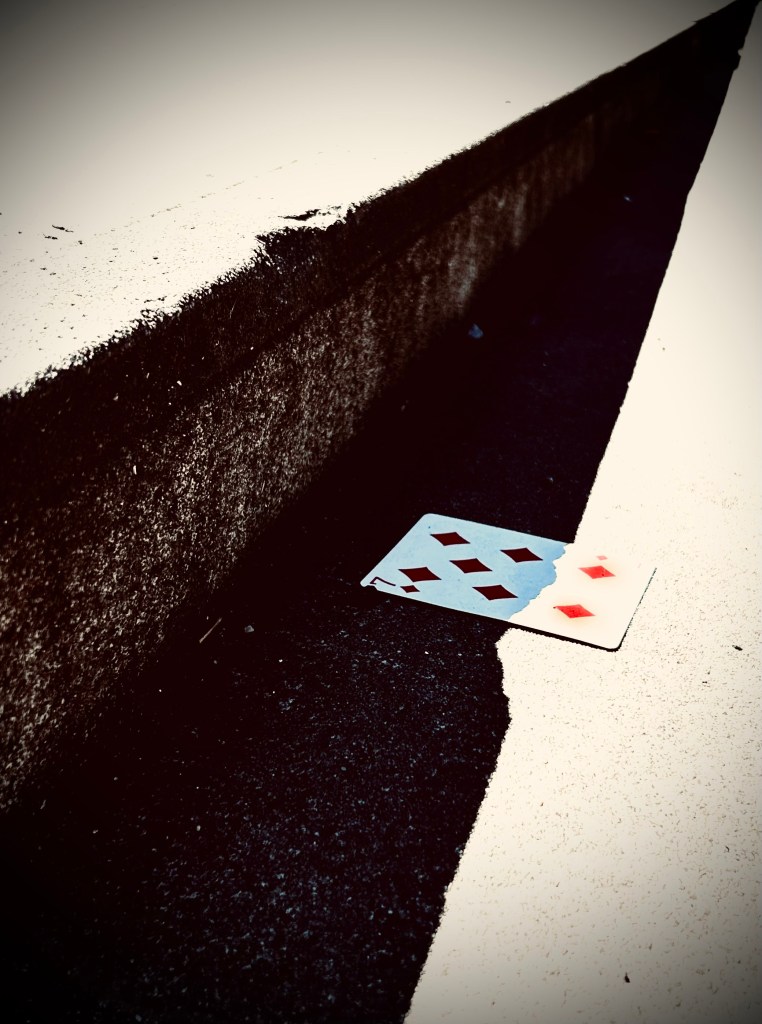
Abstract things. Summer Week.

Photography: © Maria Stadnicka, 2023

Pathology

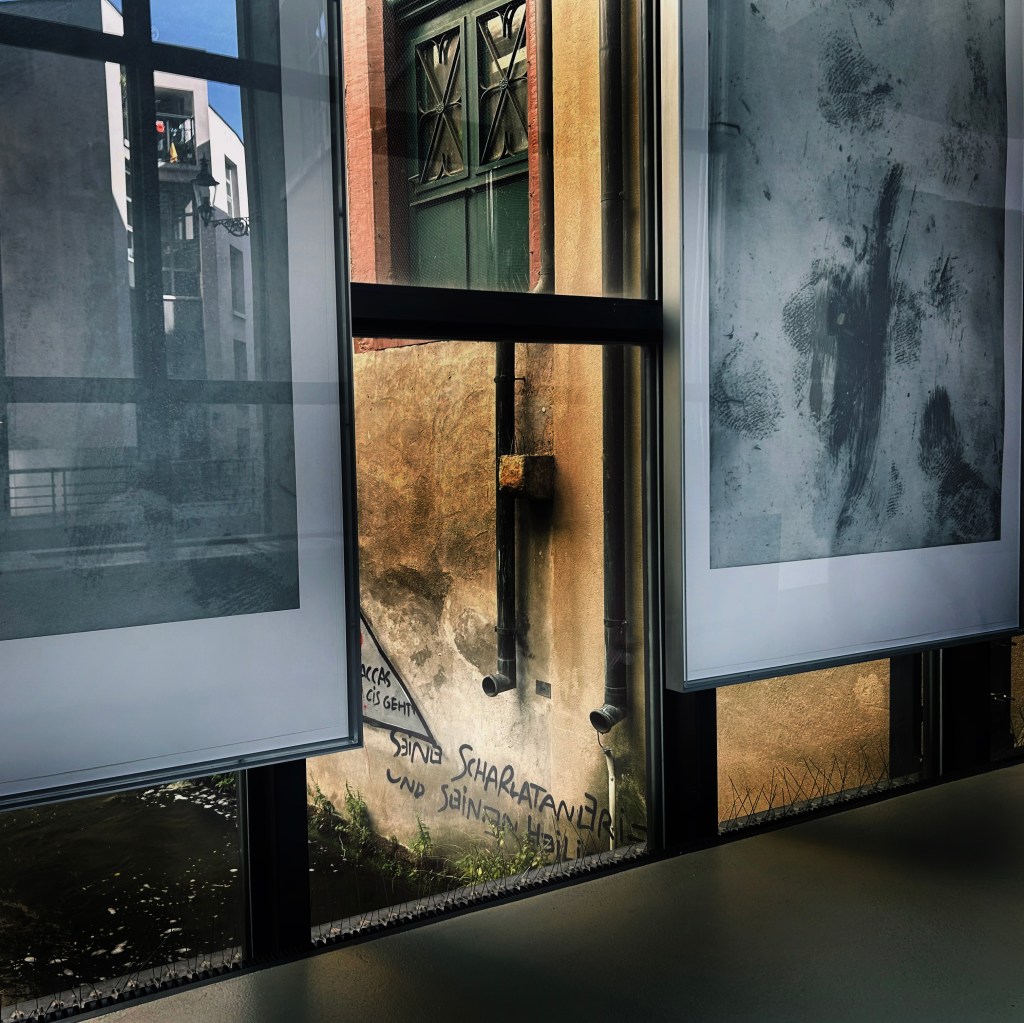
Photograph © Maria Stadnicka August 2023. River. Traces of Life.

Pathology

In early autumn, mornings begin

with the same letter and most things

go on so suddenly, they strike you

as brutal. You forget names and

places where both,

the self and the other, stood

counting insect bites. The ashes of

summer wakefulness, squeezed between

palms pushing against low skies.   

One is taller, one is happier.

The picture resembles

a clearing dome under which you repeat

daily dressing-undressing then

sort items according to necessities:

to set aside,

to bring together, or

in readiness for the big hibernation.

© Maria Stadnicka, 2023.

disOrder

Illustration © Nick Victor, 2023
One. Stand in a glass dolls house. Turn
the key and a musical box opens. 
Puppets in spiral – long days of grass. 

Two. Walk to the top of a hill, watch over 
those awoken by star lights. When we sing, 
we do not use words. 

Three. Hold tight on to the back of 
a minotaur; in the labyrinth we guard 
the source of our rivers. 

Four. Swimming lessons. Breathing 
practice for later life. Check 
the sea level at regular intervals. 

Five. Decide that the earliest memory is
a feeling. Someone passed it onto us
by accident. It still matters. 

Six. Find a safe place, give it a nickname
or at least get a colour to fit with
the things we tell ourselves.

Seven. Pull a curtain over the ruins of 
here. Convince ourselves: all we need 
is just round the corner. 

Eight. Travel by car, boat, bus; 
the motion sickness for changing 
our minds always at the last minute.

Nine. Count empty chairs at departure 
gates. Fold the rest of the day
in half then gift it to strangers. 

Ten. Arrivals happen when there is 
no luggage left to pick up. All forgiven 
out of necessity. 
 
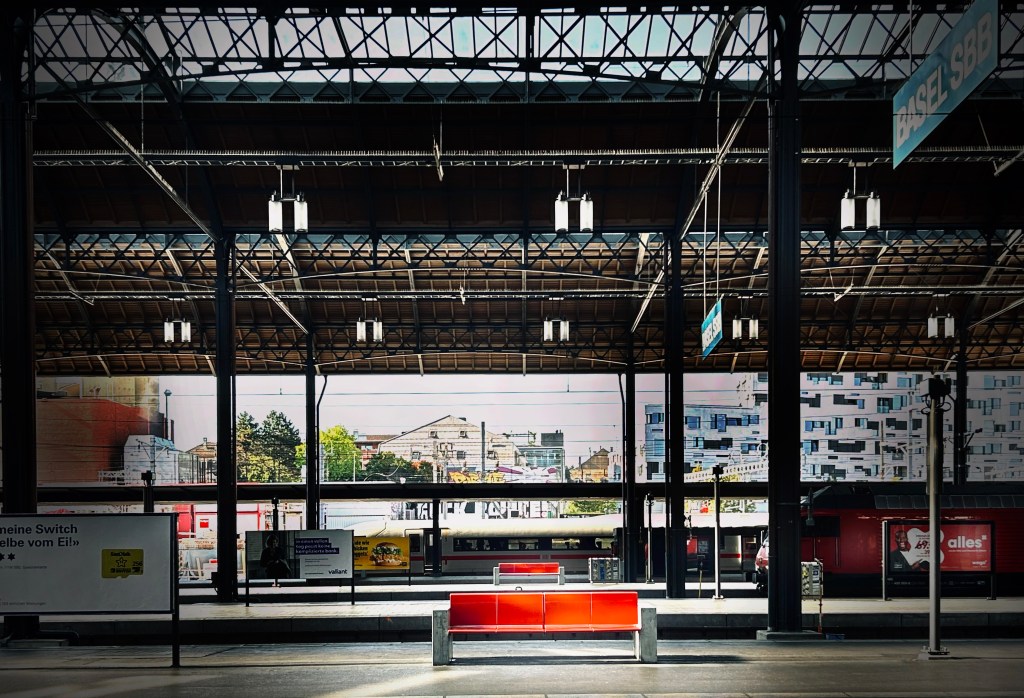
Eleven. The railway platform keeps
changing numbers. Watch closely 
notice boards in an antechamber. 

Twelve. Rush out in yesterday’s clothes,
fill up the rooms in our heart
with what is to come. 

© Maria Stadnicka and Andrew Morrison, MMXXIII

published in International Times on 12th August 2023.


John Stadnicki Student Photography Award

On 24th August 2023 it will be a year since my husband, the photographer John Stadnicki died. His untimely and unexpected sudden death has had a great impact on every person who knew John over the years: family, friends, colleagues, students, ex-students, and the art community in Stroud, Gloucestershire, where he lived and worked.

John Stadnicki (1961 – 2022)

John worked at the South Gloucestershire and Stroud College for over thirty years and has been an integral part of the Arts Departments, especially the photography specialism. He was generous and supportive, and his life was about inspiring young people to believe in themselves and be the best version of themselves.

In recognition of John’s legacy and dedication to photography and to his students, SGS College has initiated the John Stadnicki Student Photography Award. The first edition took place at the end of the academic year 22-23. The prize was awarded to the first set of students,  based on the votes from former and current tutors, local photographers (both amateur and professional) and a public vote.

On 24th September 2023, I will be walking 21 miles in support of this initiative, together with Andrew Morrison, Jen Whiskerd, Adelaide Morris, Chris Morris and Amanda Bonney Lowery, as we would like for this award and legacy to continue in the years to come, and to support other talented students.

If you could like to join and / or support the award, please do. Access the link below:

https://www.justgiving.com/crowdfunding/creative-department-ssoa

My gratitude goes to the Art Department at SGS, and especially to Kayleigh Reynolds for co-ordinating this initiative and for working so hard to make it happen! My gratitude also goes to the friends joining the walk and supporting this initiative.

Here are the winners of the 1st edition of the John Stadnicki Student Photography Award 2022.

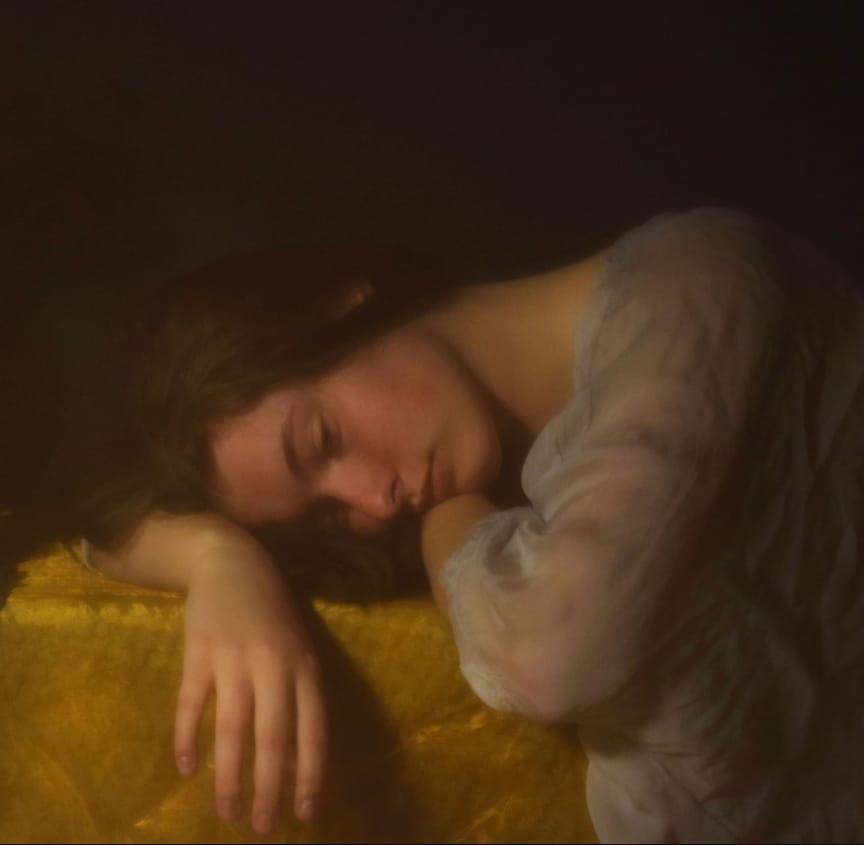
First place (winning £250): Bethan Seymour – Lady Lying.
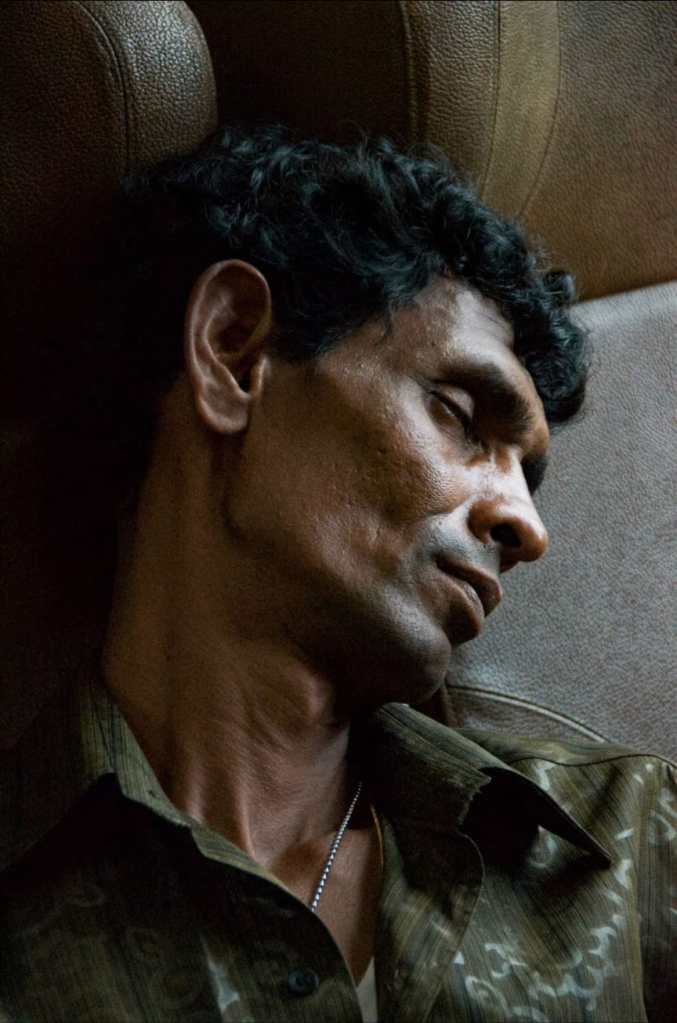
Second Place (winning £100): Lottie Jones – Man Resting.
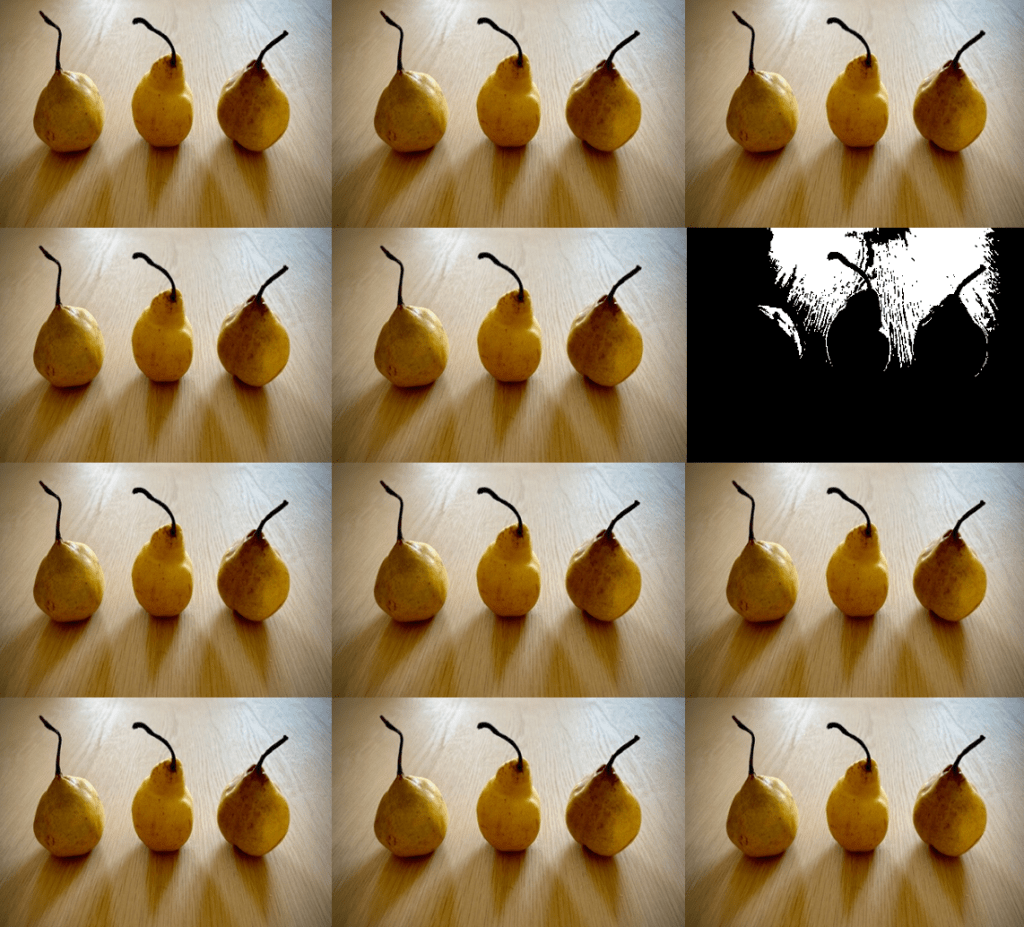
Third Place (winning £50): Martha Haslam – Fungi Close Up.

Thank you very much.

Maria Stadnicka

Where

....    I tell the distance that
people’s names are 
shorter than rivers… 
threads 
on the world’s spine 
gliding
to the edge of an abyss 
where all their deeds fall
glass-clear
to no ending
except themselves.


© Maria Stadnicka MMXXIII

Ellipsis. A Year on Rooftops.

© Maria Stadnicka, MMXXIII

The Giving-Up Syndrome

I thought to post thank-you notes
but so many end up recycled. 
There is no more space in your box. 
People should keep the words 
they send to each other for grey hours 
when things seem fine then 
someone hits you in the face. 
Out of luck. 

Only riverbank meadows have
all the time in the world. 
Their pulse slows to a teardrop
before any changes in weather. 
They turn to cement, to salt 
and root clumps, for winter seeps 
through layers of sunset under 
a glass ceiling. 

Blessed be those looking ahead. 
They see just the edges but sleep 
in the middle of things. They dream 
their children when someone dies 
in the neighbourhood. The funeral 
takes place at an airport. 

Our tree chopping season grows 
heavy with chalk: burial site for
the things we once loved that 
have fallen and broken in to pieces.


© Maria Stadnicka, MMXXIII / Quintilis