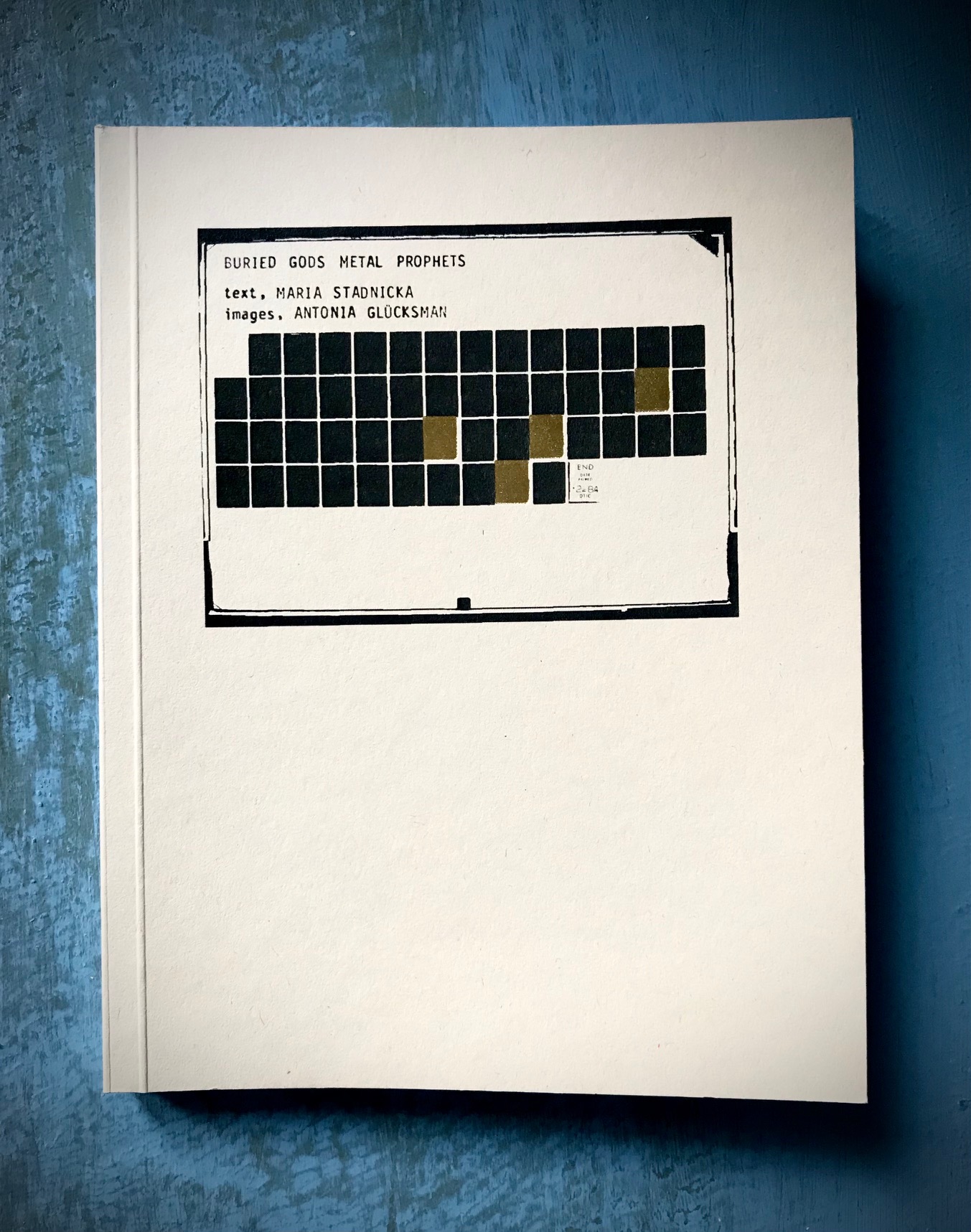
Buried Gods and Metal Prophets is based on Stadnicka’s experience as a teacher at St. Stelian Orphanage, north Romania, which cared for three hundred children diagnosed with HIV and AIDS. Exposing the reality of living in state care during the Cold War, it explores the spectre of political and human tyranny that can contribute to a generational socio-cultural trauma. Buried Gods Metal Prophets explores childhood experiences during the Cold War in Romania following the Decree 770 imposed by the Communist Party in 1966. Issued as a measure meant to stimulate the population growth, the disastrous Decree 770 banned contraception and abortion, while awarding women with more than five children an Order of the Heroine Mother. As a result, an estimated twelve million illegal abortions took place between 1967 and 1989 while over 250,000 children were placed in orphanages or care homes.
Stadnicka builds a polyphonic poetic documentary inspired by Julia Kristeva’s idea that poetry can establish ‘space and infinity’ beyond the restriction of linear poetics. The juxtaposition of narratives builds a world in which the omnipresent voice of the government echoes in the mechanised communication between the state and the individual, in a society where the private ownership of a typewriter without state permission, meant prison sentence.
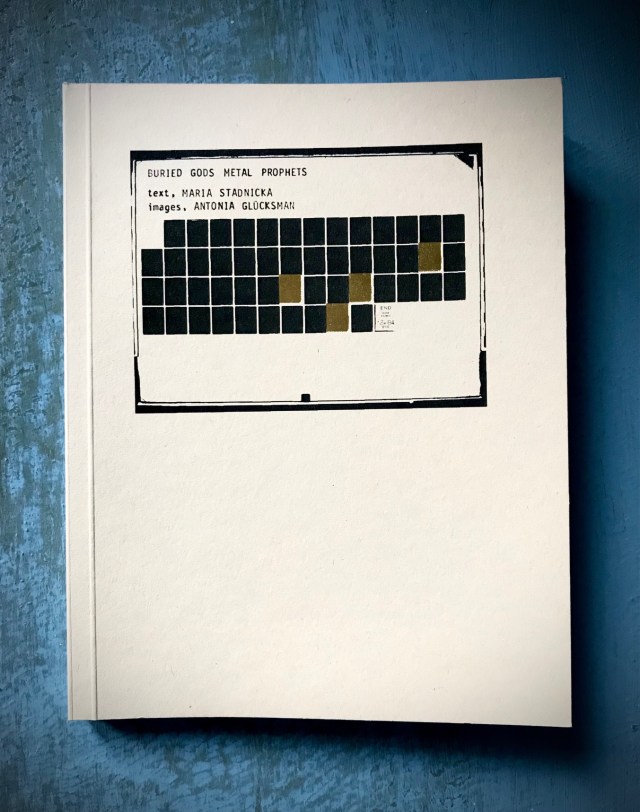

‘UK-based Romanian poet Maria Stadnicka’s forthcoming Buried Gods Metal Prophets, published by Guillemot Press, is an astonishing collection of poems, and a testament to the tens of thousands of children who grew up in Romanian orphanages under Nicolae Ceaușescu. Bringing together historical documents of the era, lines of other authors with her “censoring” interventions, and Stadnicka’s own moving poetry, this is the poet’s fourth collection both written and published in English.’ (Paula Erizanu, The Calvert Journal, 2021)
The full article is available here: https://www.calvertjournal.com/articles/show/12466/romanian-english-poetry-ceausescu-orphans-buried-gods-metal-prophets-maria-stadnicka
Buried Gods Metal Prophets (2021) is published by Guillemot Press. Editors: Luke Thompson and Sarah Cave. Design and illustration: Antonia Glücksman. The book is available here.