A new poem published this morning in ‘Stride’ magazine:

Photograph: @John Stadnicki – MMXVIII
I covered my face with black ink
rounded all my possessions up
and set fire to everything
at the top of a hill.
click here to read the full text.

A new poem published this morning in ‘Stride’ magazine:
Photograph: @John Stadnicki – MMXVIII
I covered my face with black ink
rounded all my possessions up
and set fire to everything
at the top of a hill.
click here to read the full text.
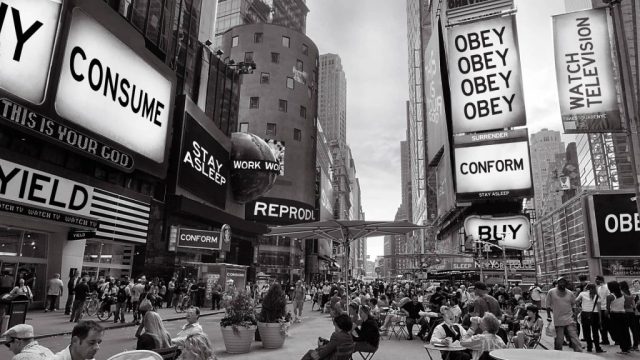
Photography: ©International Times, 2018
(to Aidan Semmens)
Hello. I am a feature
on a CCTV camera, with
private resonance. At
the top floor, I
can barely sleep for the sound of gunfire.
I hear the poetry when I order a pizza.
Still there, are you?
…‘yeah, […published in ‘International Times’ to read click] here
Nobody belongs, de facto, to just one place, one culture. Our existence is defined by the involuntary interactions with the world in a continuous change, but we like to believe that we do belong. To a place, a space which can be defined and referred to. And when one belongs ‘somewhere’, everything seems easier to quantify, categorise. And, then, it becomes familiar. The common familiarity which emerges through similitude in language, taste, points of view, landscape brings people closer and it helps to build that sense of togetherness.
Most tragedies have been born out of rejection, out of a deep sense of ‘non-belonging’ and people felt mostly bereaved when they realised their uprooting. The recent developments in Europe, with Brexit, in North America, with Trump’s Wall, and across the world in Myanmar, Sudan, Congo, Somalia, Ukraine, Syria, Peru show that we are ‘on the move’ at a global scale. Politics and economics drive the migration at unprecedented levels and can cement a deep sense of social instability.
Millions of people move from one place to another and remain trapped in the complex process of social migration. In 2017, nearly a quarter of a million people came to Britain. And each person brought in a new narrative with elements of uniqueness and subjectivity. We could say that, in 2017, hundreds of thousands of stories came to Britain too. Untold life experiences, unheard voices; hundreds of years of education, culture, music and skills.
And this is the main focus of ‘Who We Are’ a project initiated by the artist Jen Whiskerd from University of Gloucestershire (UoG) supported by many art students, University of Winchester, illustrators, bookmakers, printers, writers, researchers, photographers. Using eight stories about migration (told by Adelaide Morris, Shelley Campbell, Fumio Obata, Anita Roy, Dolores Phelps, Maria Stadnicka, Ro Saul, John Stadnicki), the UoG art students (undergraduate and postgraduate courses) have produced a brilliant book which will be launched this weekend at Museum in the Park, Stroud, Gloucestershire.

Photograph: ©Emma Evans, 2018
The book, printed by Emma Evans UoG, Pittville Press, is a collection of poetry, photography, drawings, journal notes, animation.
The event is free and will take place at the Walled Garden Room, Museum in the Park, Stroud, Gloucestershire /
Saturday 20th Jan. 2018, at 2pm.
Come along to share your story and enjoy the launch or just to listen and to be inspired!
It has been my privilege to be part of this.
Maria Stadnicka, 2018
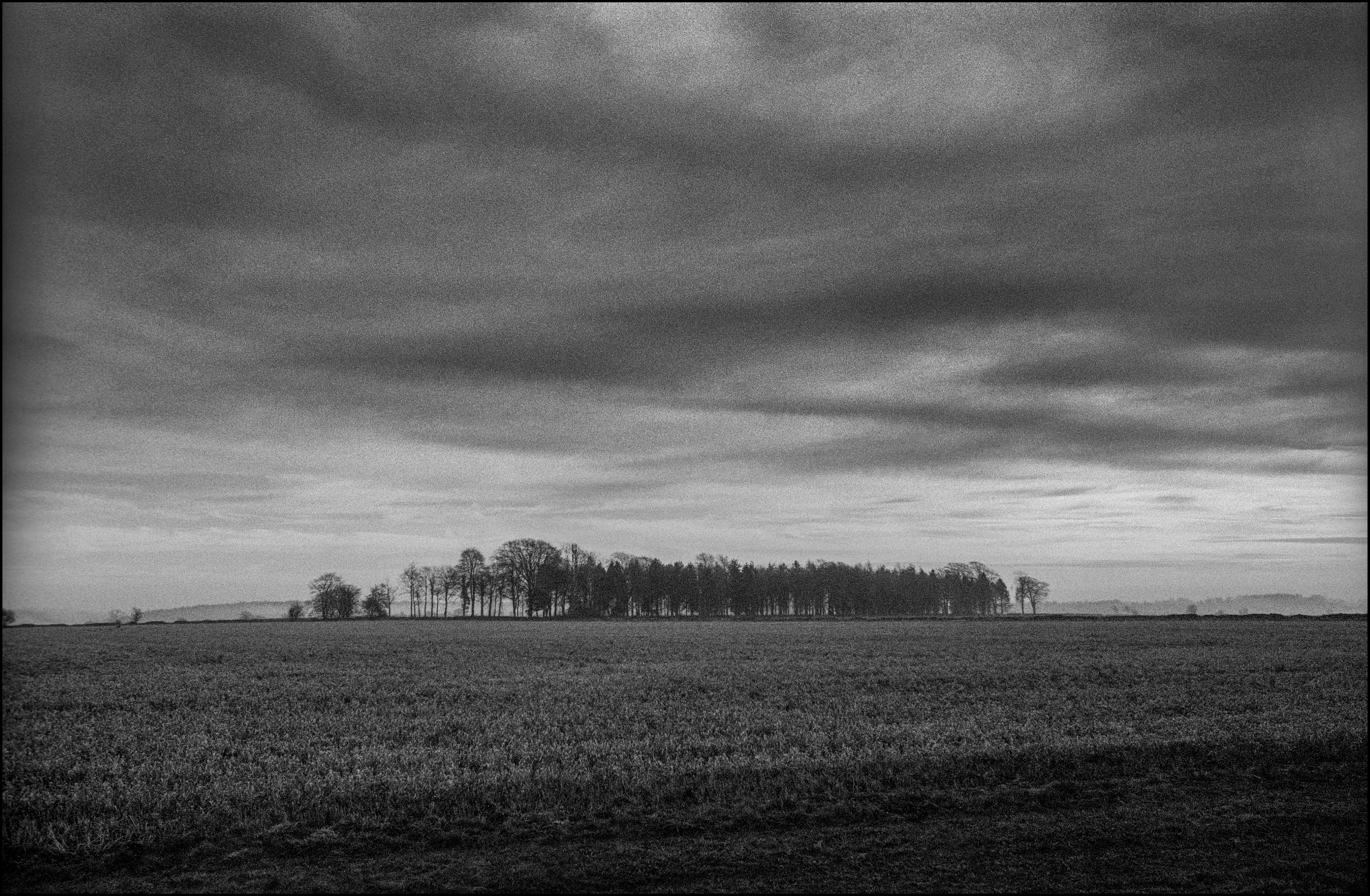
II – MMXVIII
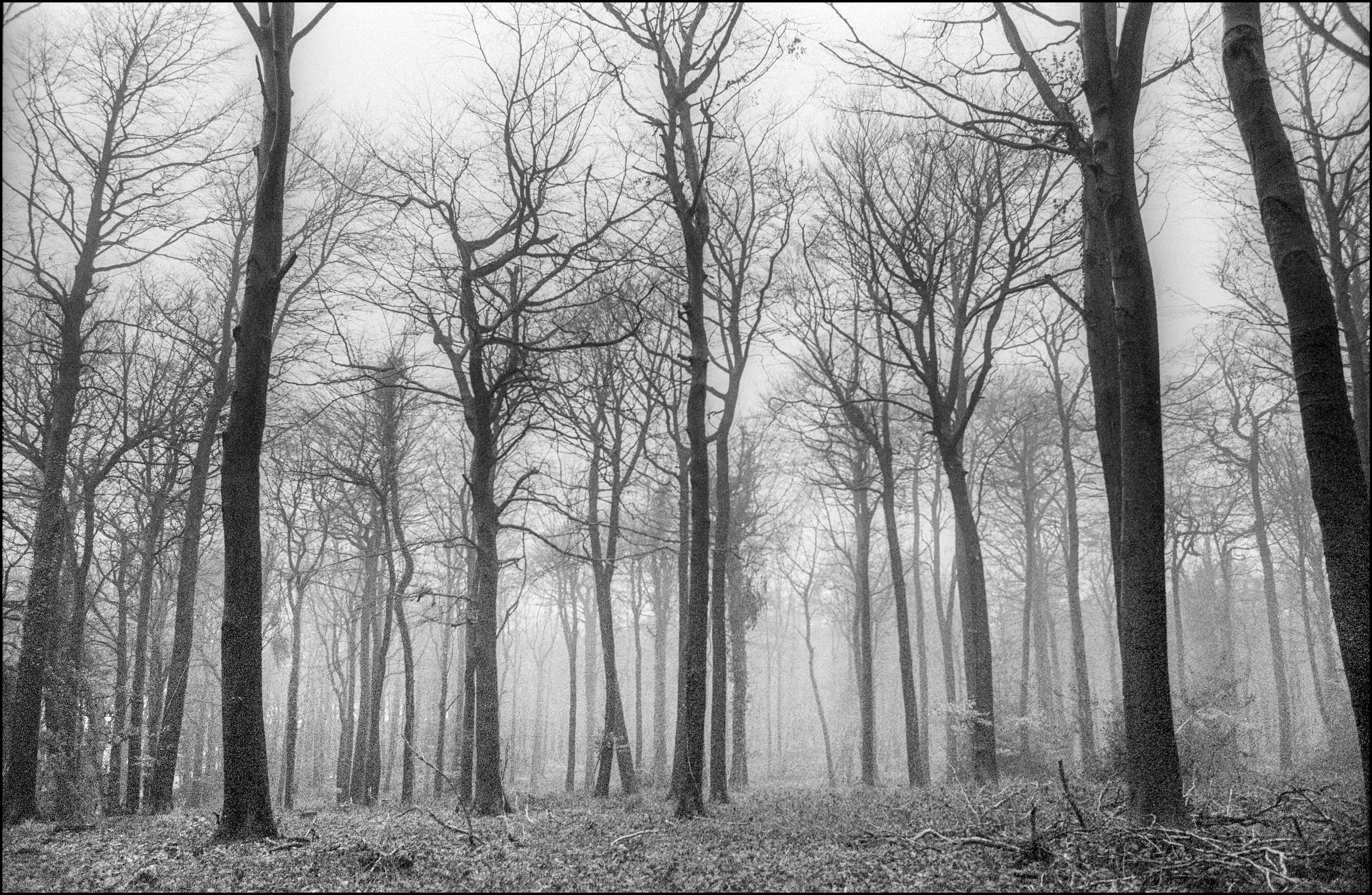
I – MMXVIII

III – MMXVIII
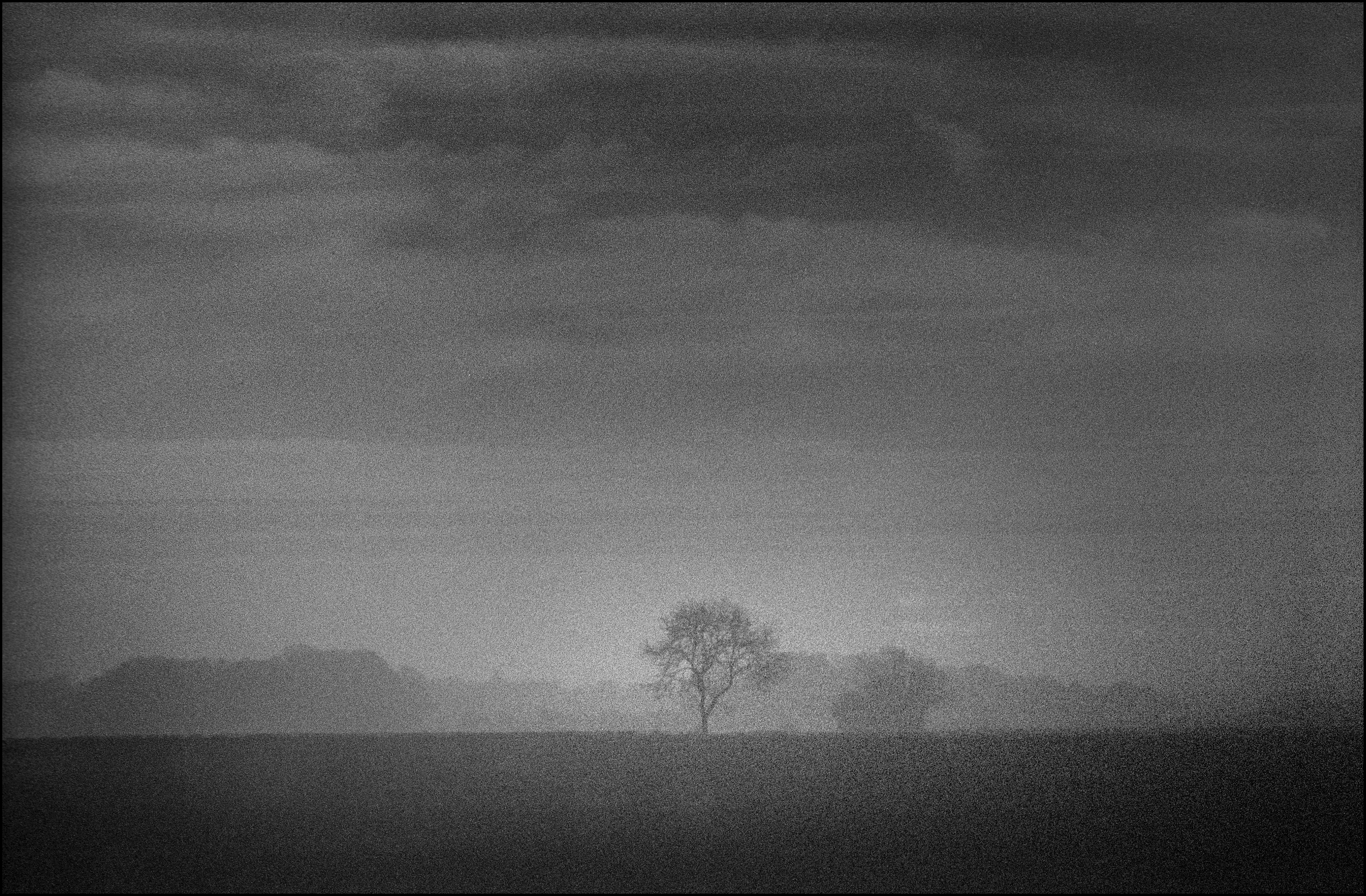
IV – MMXVIII
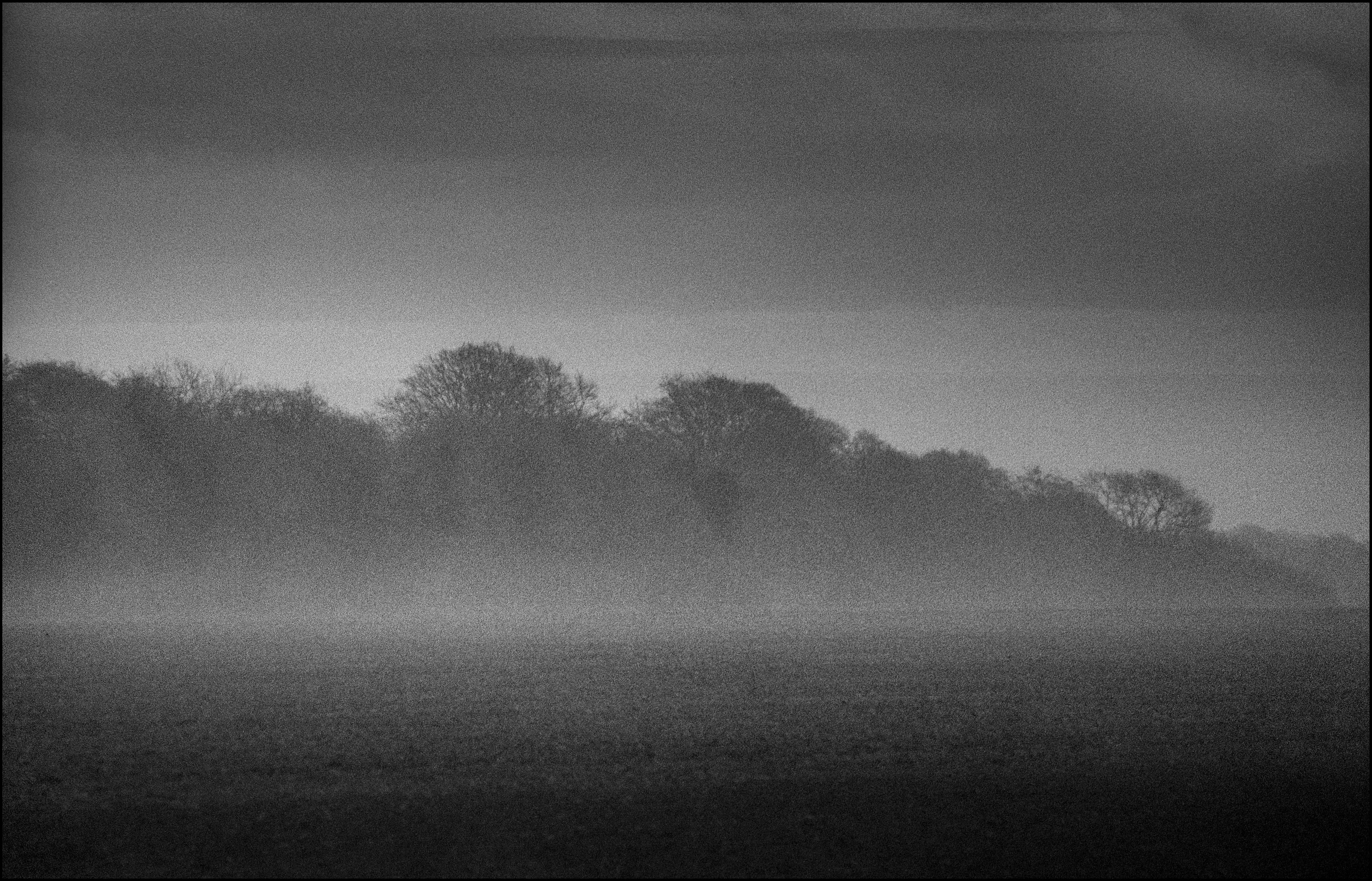
V – MMXVIII
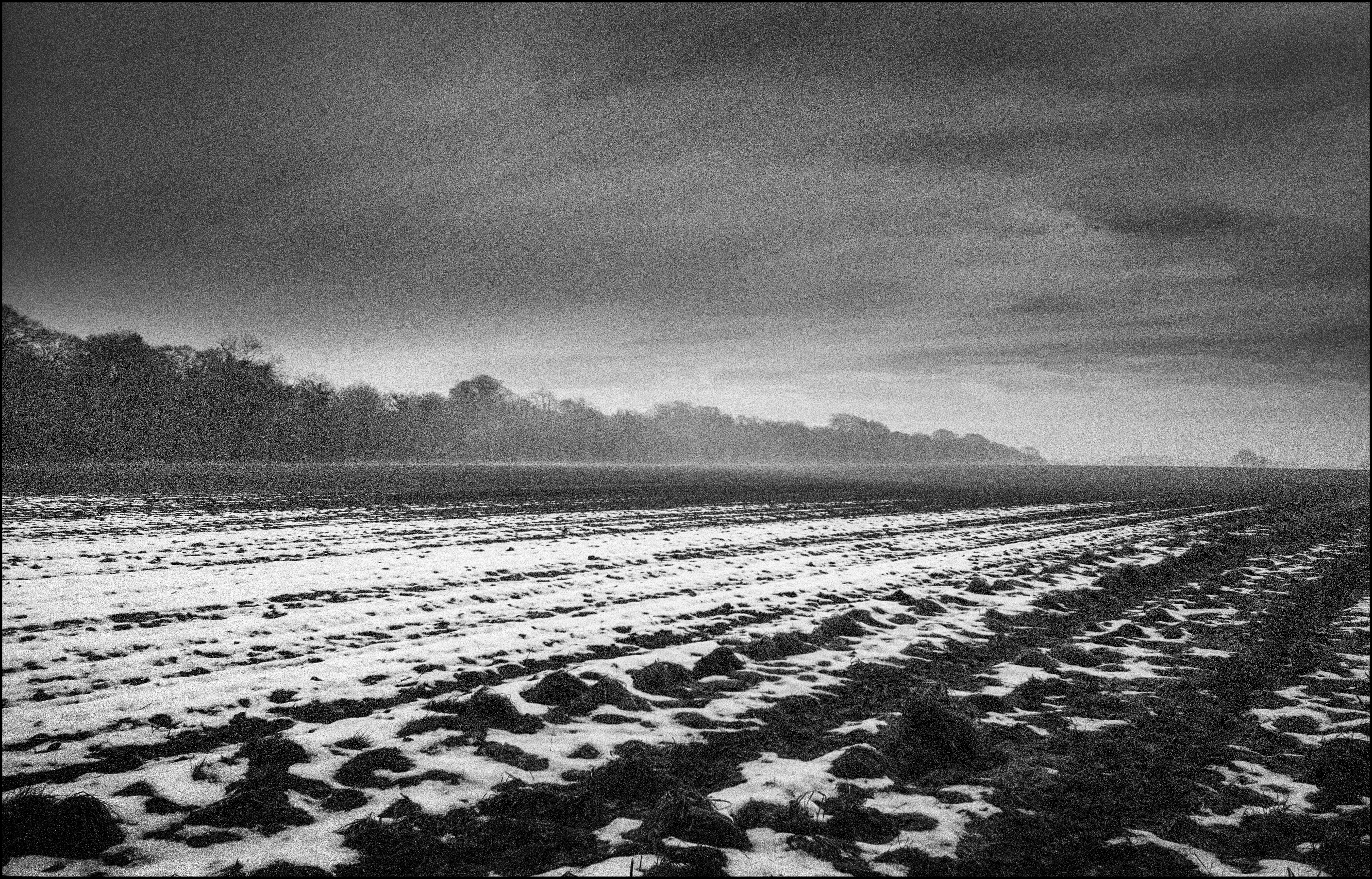
VI – MMXVIII

VII – MMXVII
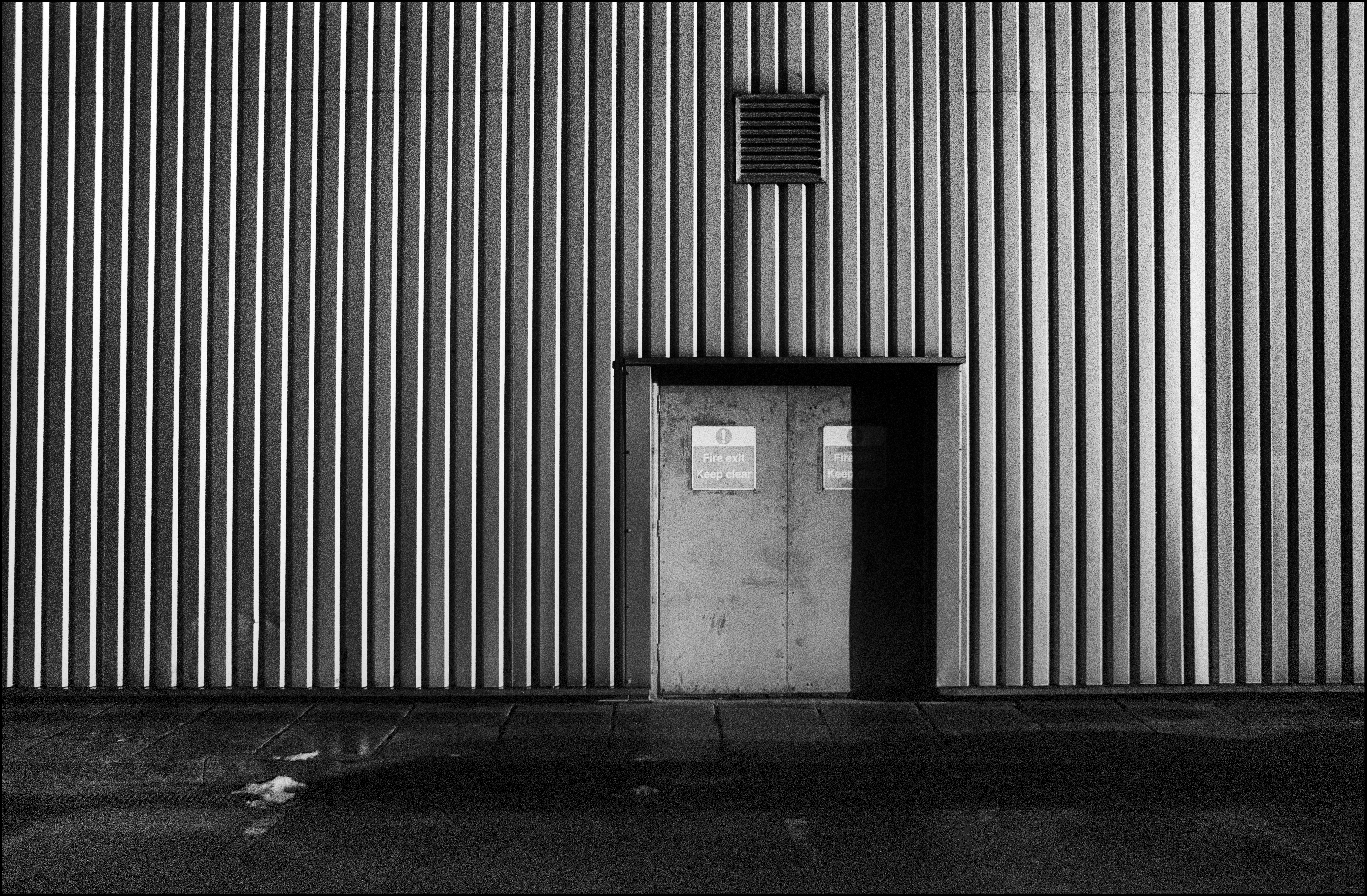
IX – MMXVIII
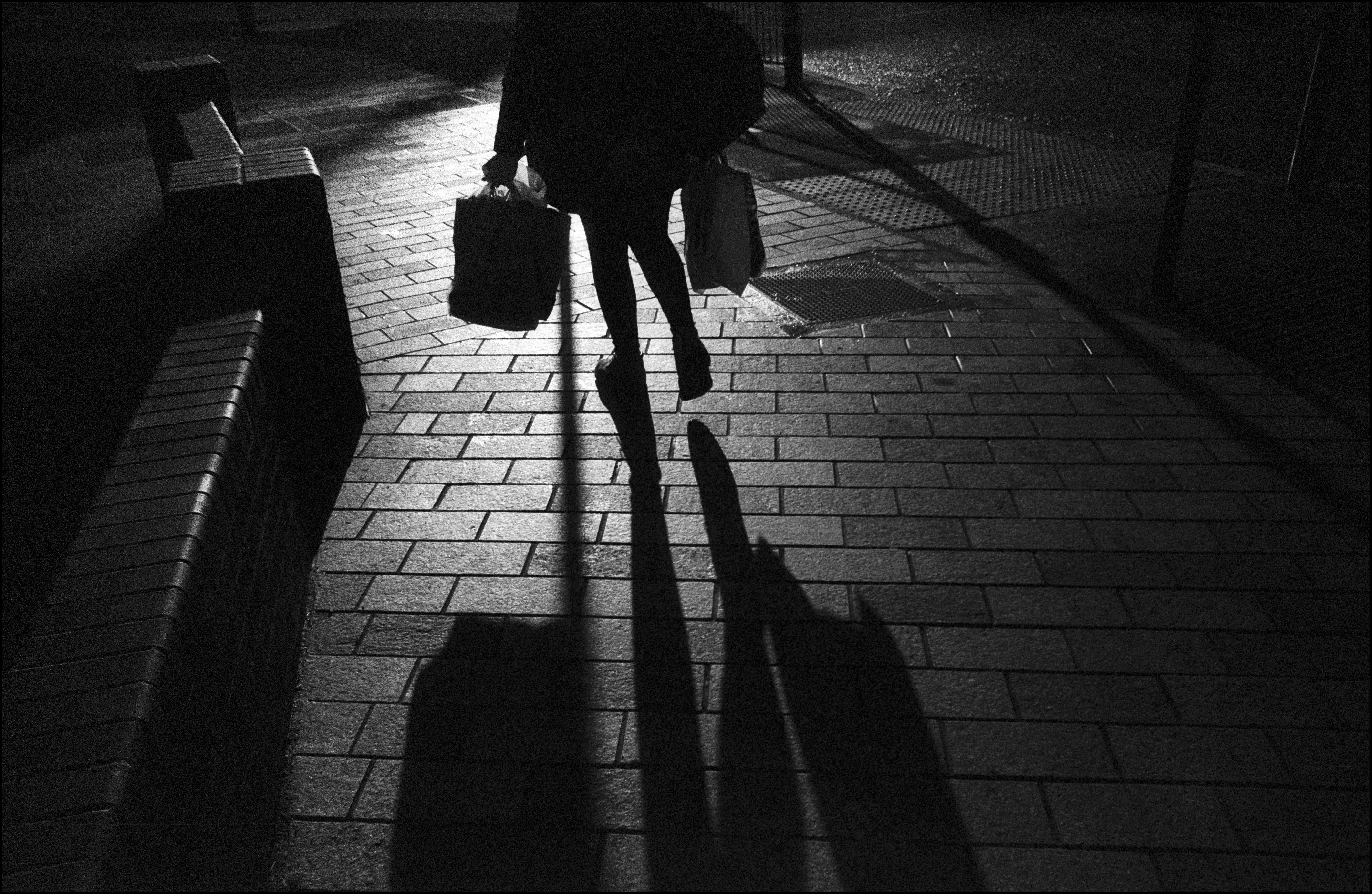
X – MMXVIII
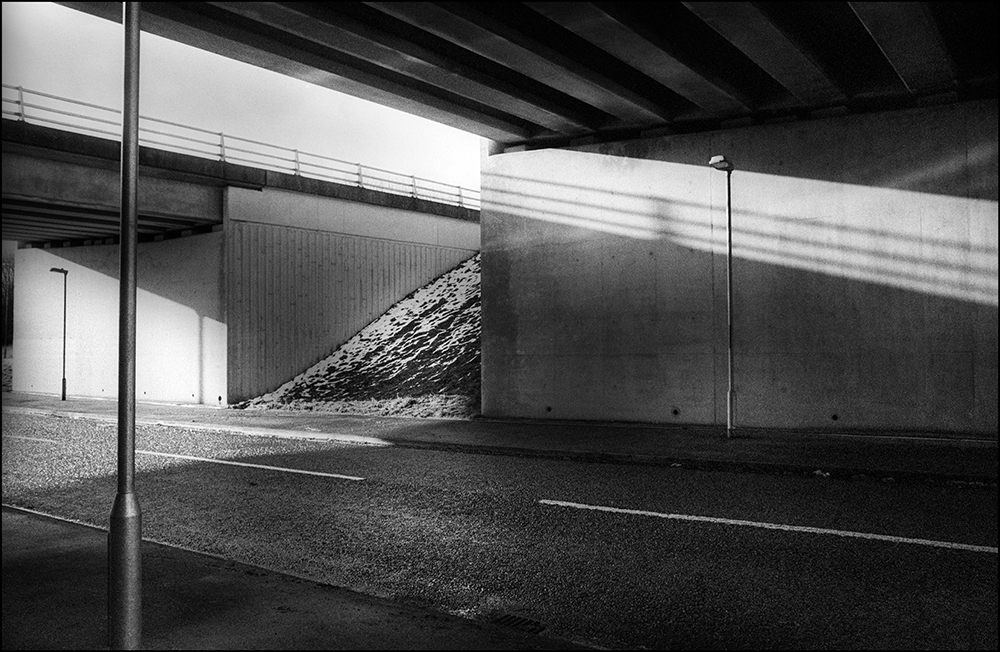
XI – MMXVIII
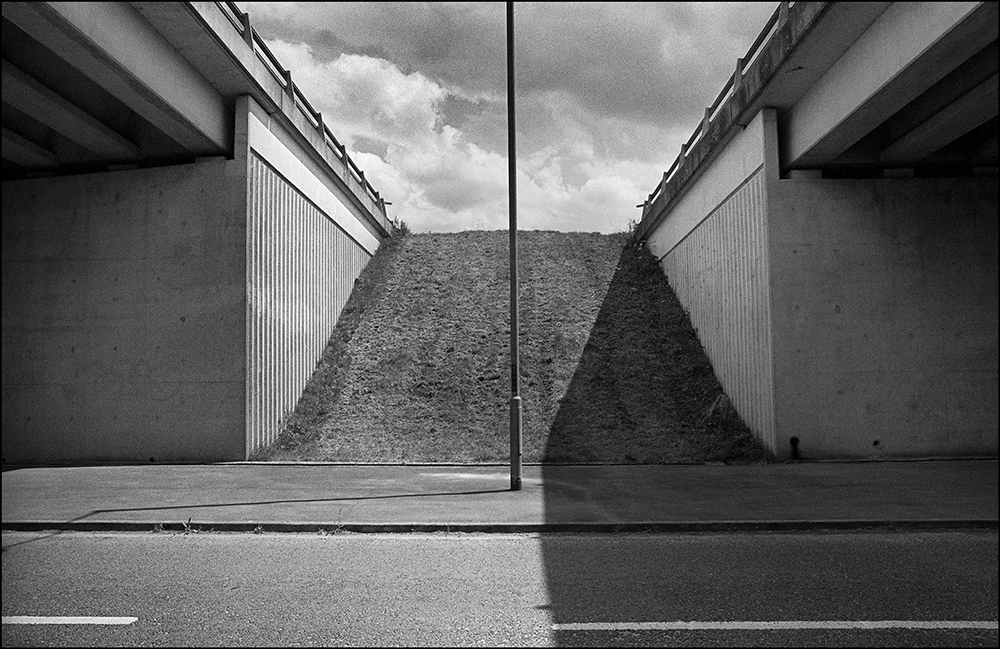
XII – MMXVIII
Photography: ©John Stadnicki 2018

Illustration ©Claire Palmer 2018, ‘International Times’
– for Peter J. King –
Before the execution date,
each night,
lands I have never seen come to visit
this self-contained universe.
The only place for waiting, for submitting,
the place where god decided
it was the moment to shoot itself.
This captivity has become an act of survival,
for an industrious nation of slaves.
Here, the immediate!
The fear behind the hate sounds louder and louder
in each city where cathedrals
are now for sale
on detergent coupons.
A man is lost at sea, I hear,
total strangers marching East
minutes before the water-ropes bring the closure.
Here and now, my enemy,
the blood inside all my cavities has become
the last supper
for I,
chiselled, strapped, nailed to my crimes,
had confessed: ECCE HOMO!
My nation, my never-never land!
If we have been at war for thousands of years,
still,
barehanded,
catching bullets today,
in these meat-eating times,
it is the pain which, finally, will set us free,
not words.
The silent joy of those who know
how very few will make it through the
death sentence.
The poem was published today in International Times and can be accessed here.

Photograph: Performance Peter J. King
A moving and chilling reflection, last night at Pembroke College, Oxford University – ‘Seeds of War’ hosted by Peter J. King. An inspiring evening with performances by Adnan al-Sayegh, Jenny Lewis, Peter J. King, Jenyth Worsley, Matthias Dilling, with piano setting by composer Janet Davey.
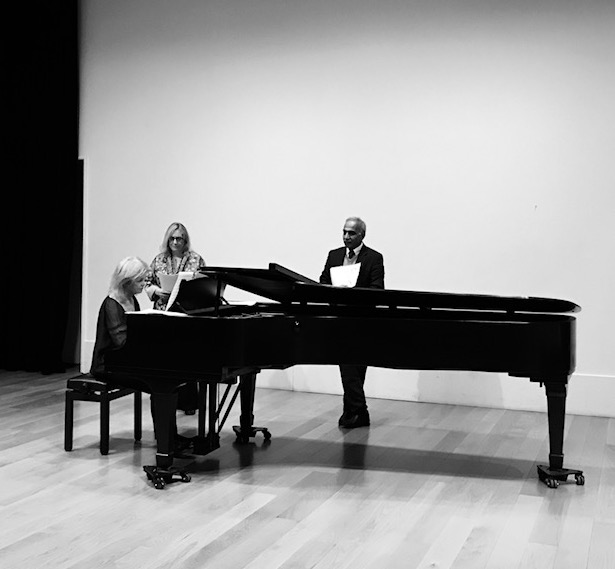
Photograph: Performance – Jenny Lewis and Adnan al-Sayegh with piano composition – Janet Davey
If we have been at war for thousands of years,
still,
barehanded,
catching bullets
now,
in these meat-eating days,
it is the pain which, finally,
makes us free, not words.
The silent joy of those who know
how very few
will make it through
a death sentence.
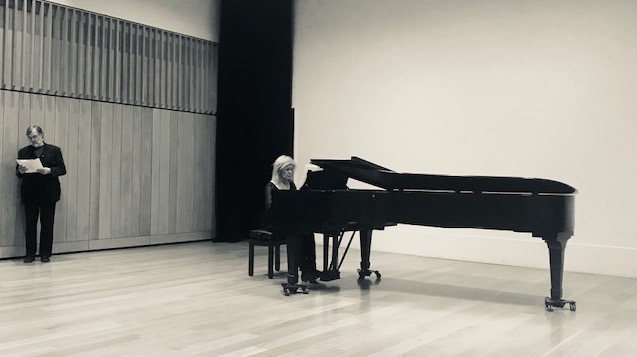
Photograph: Janet Davey and Peter J. King
Thank you for inviting me!
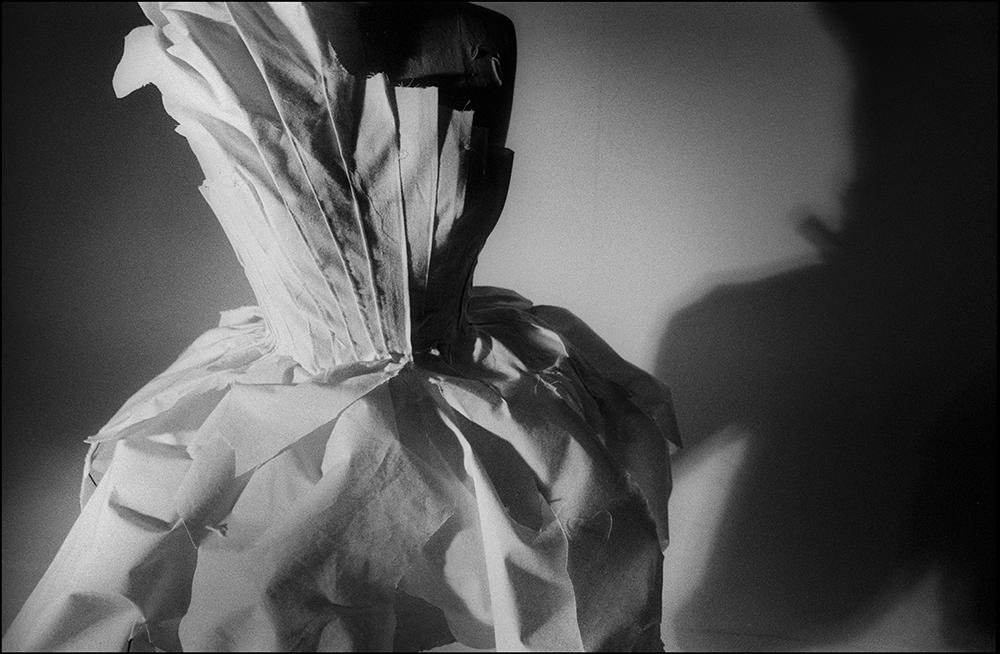
Photograph: ©John Stadnicki, ‘Corpus I’ – MMXVII
(for Katie McCue)
The soldier, asleep by his polished sword,
was somehow surprised.
Such a big storm!
The colours, all of them, disappeared.
The city collapsed in a big crevasse.
When she cried,
everybody cried.
The roads, the windows had to be shut
when she needed silence.
The words had to be wrapped in silvery knots
just before
they became people.
The stories stopped being written,
the earth stopped,
the war stopped.
And simply because she had
a fear of butterflies.
The butterflies were not scared of her.

Photograph: ©John Stadnicki, ‘Corpus II’ – MMXVII

Photograph ©John Stadnicki
Another midnight storm washes away the cold poetry
born at the top floor.
I balance my whole weight
on long words;
frozen stones on my tongue.
I count the mistakes god has done with me,
just to pass the time.
The violent rain hid a blind dog
inside my very bone.
Here, upstairs, both of us in the same body,
awake and hungry,
listen.
©Maria Stadnicka, MMXVII
published in ‘Stride’ magazine, available here
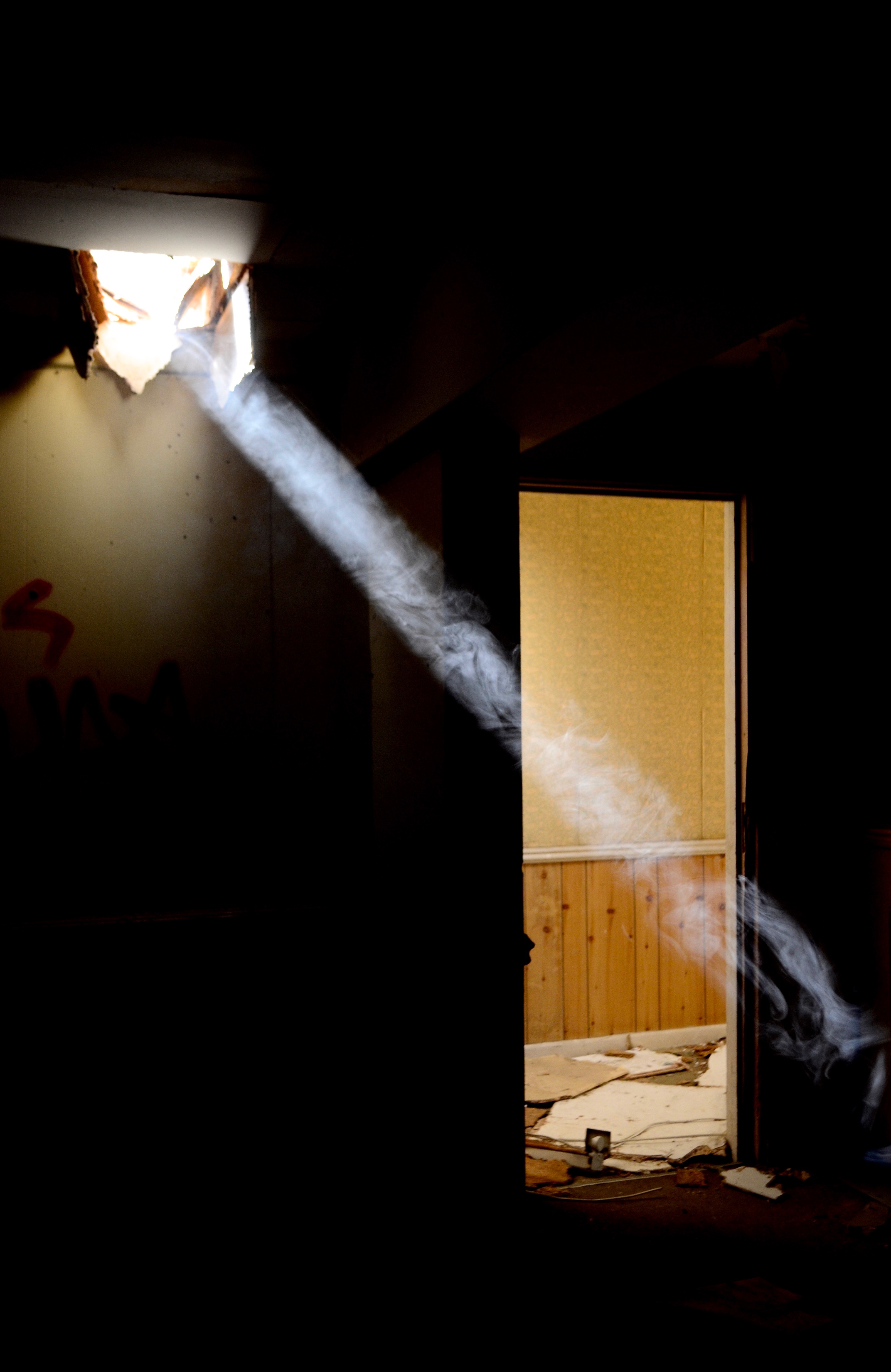
Photograph: © Maria Stadnicka
From afar,
the poetry,
big fat bottles on a kitchen shelf.
A collection of colourful glasses,
with human hearts
preserved in salted water.
 Maria Stadnicka