Memøry Høuse Art Project

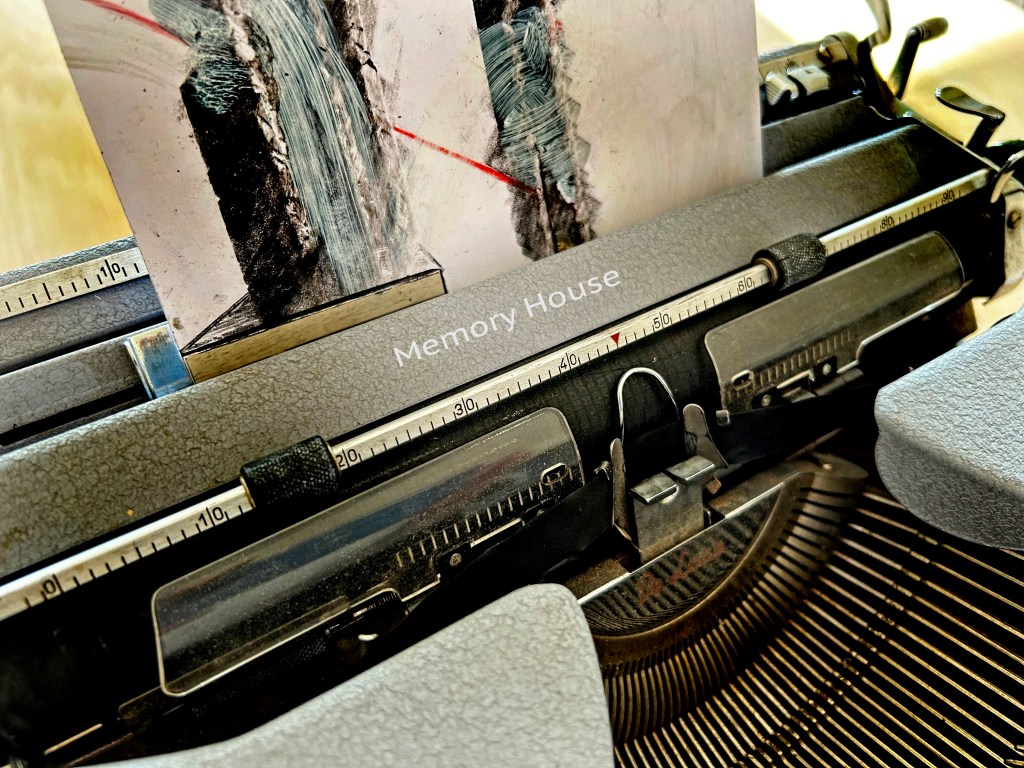
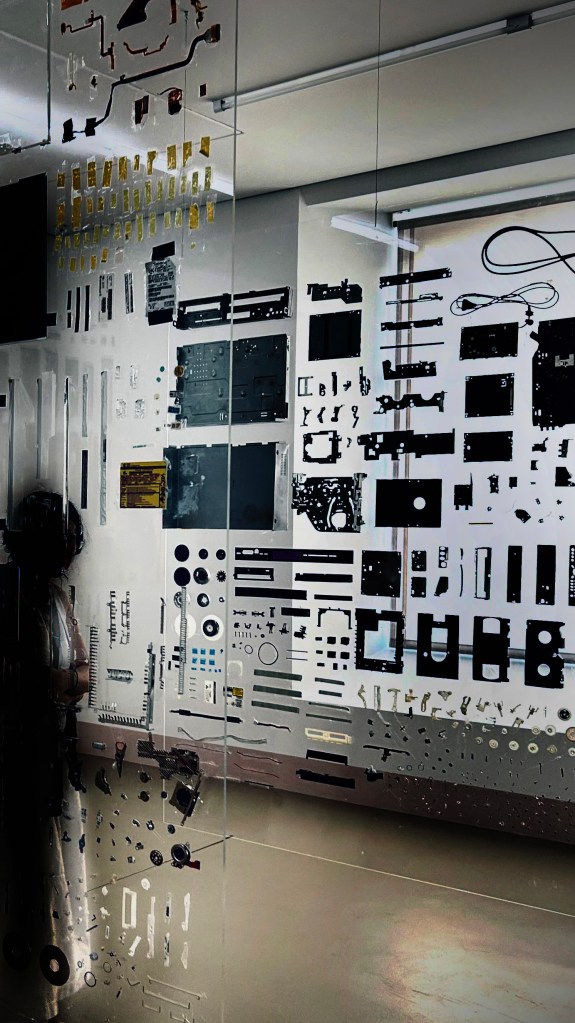
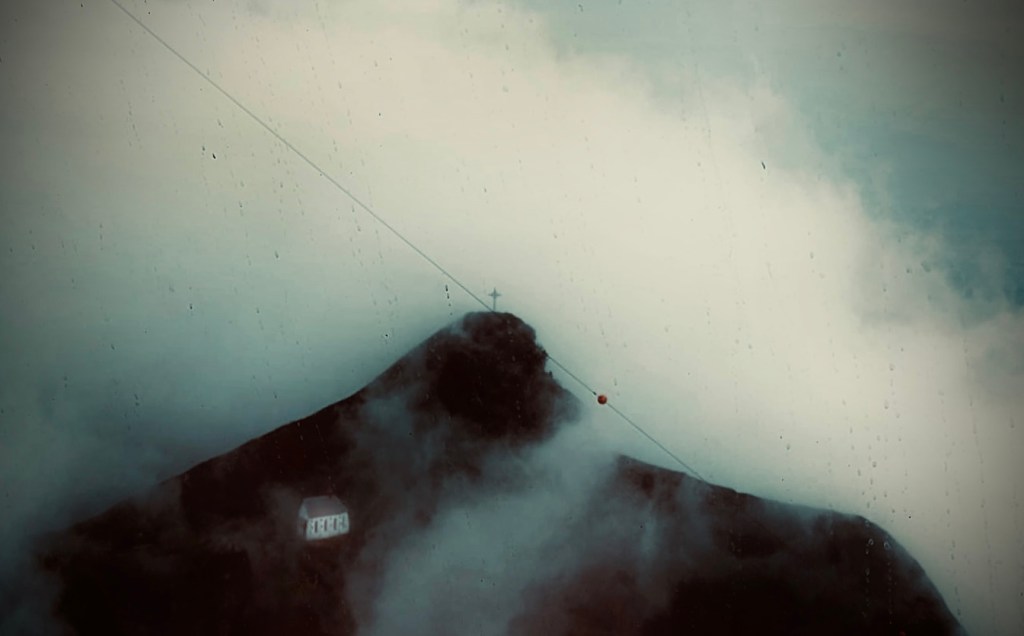
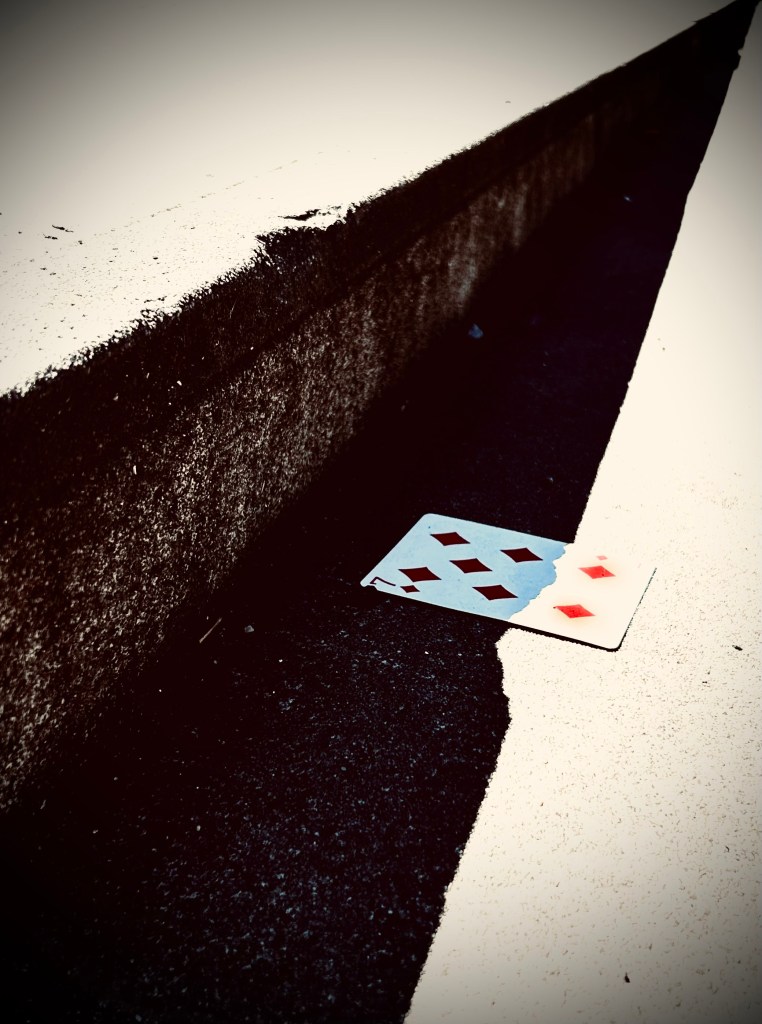
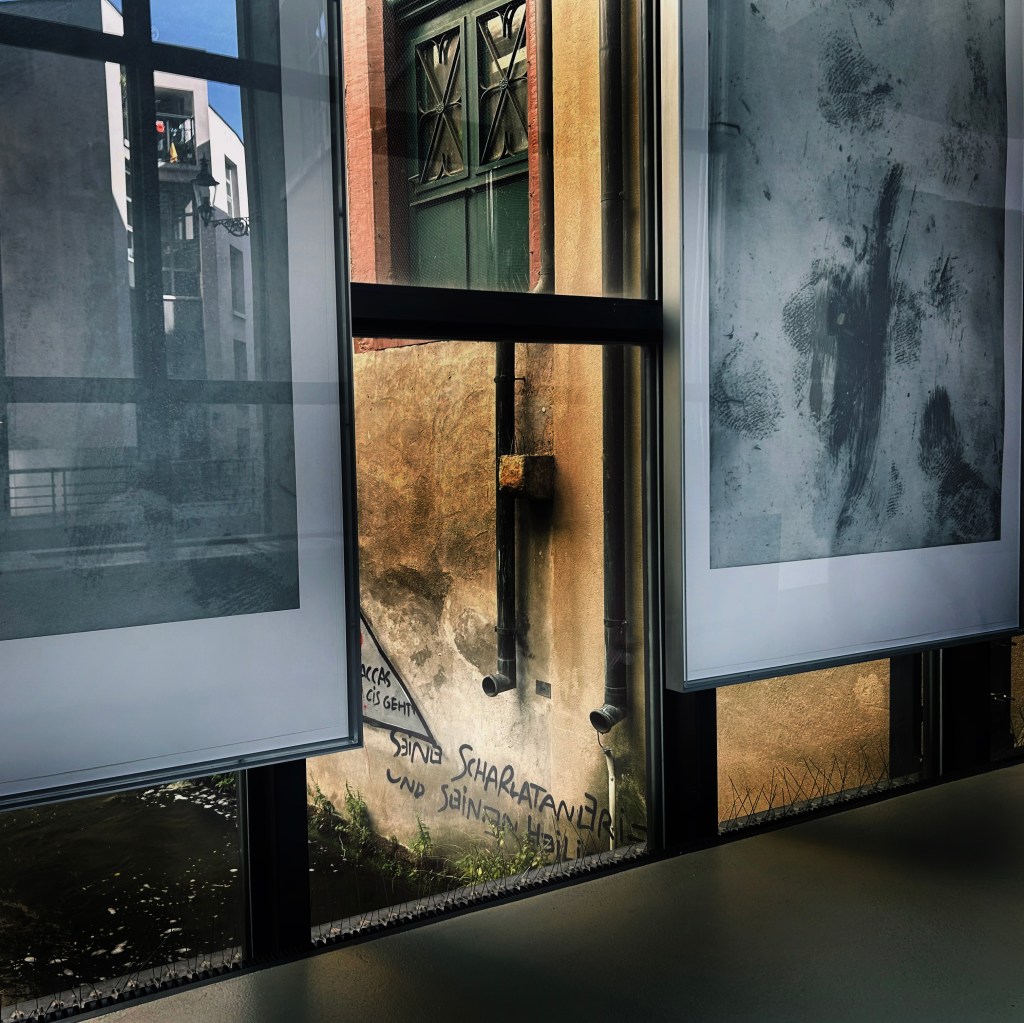
What I mostly remember about the past is a sum of absent encounters, people and things missing; summers, winters, in fact, years melted into a reservoir of images and experiences that are working their way slowly into my future. What I refuse to remember travels along as an indispensable companion to my imagination and my creativity. Understanding this companionship has been one reason for extending my PhD research on the Romanian diaspora in the United Kingdom and collective memory, to build Memøry Høuse. As an art collaboration, Memøry Høuse is searching for a point (or many points) of integrating social memories. Someone recently made me wonder whether this project is a constellation of remembering opportunities. It might possibly be true as not all memories make sense in words. Some are barely perceived in my body, in colour, in sound; or in places and in people. To some extent, my awareness of their existence often frees me from my own enslavement and, as a researcher and writer in this context, the enslavement of the generation I belong to: The Romanian Children of the Decree.

As the Memøry Høuse project evolves, my hope is that these memories will find a place of acknowledgment and, instead of travelling wildly, will begin to settle, find a home, or build their own house on a land that was once foreign but so familiar now.

My gratitude and so many thanks to the artists involved in this collaboration: Mark Mawer and Andrew Morrison.
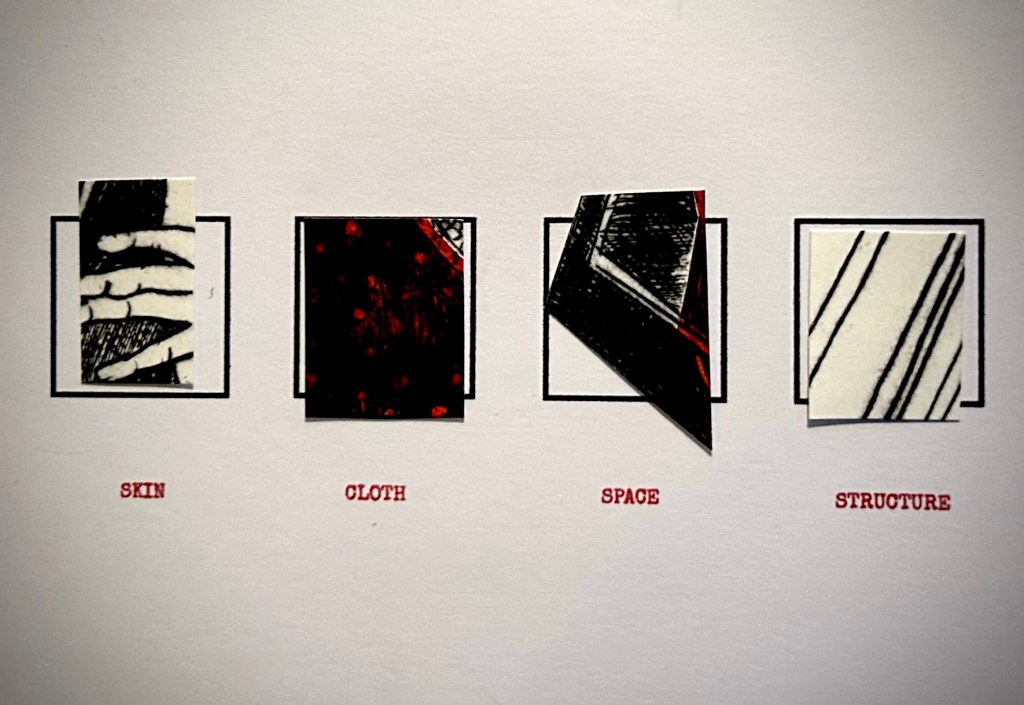
More updates will follow as the work continues. The exhibition Memøry Høuse will take place in February 2024 at the Lansdown Art Gallery, Stroud.

© Maria Stadnicka, September 2023

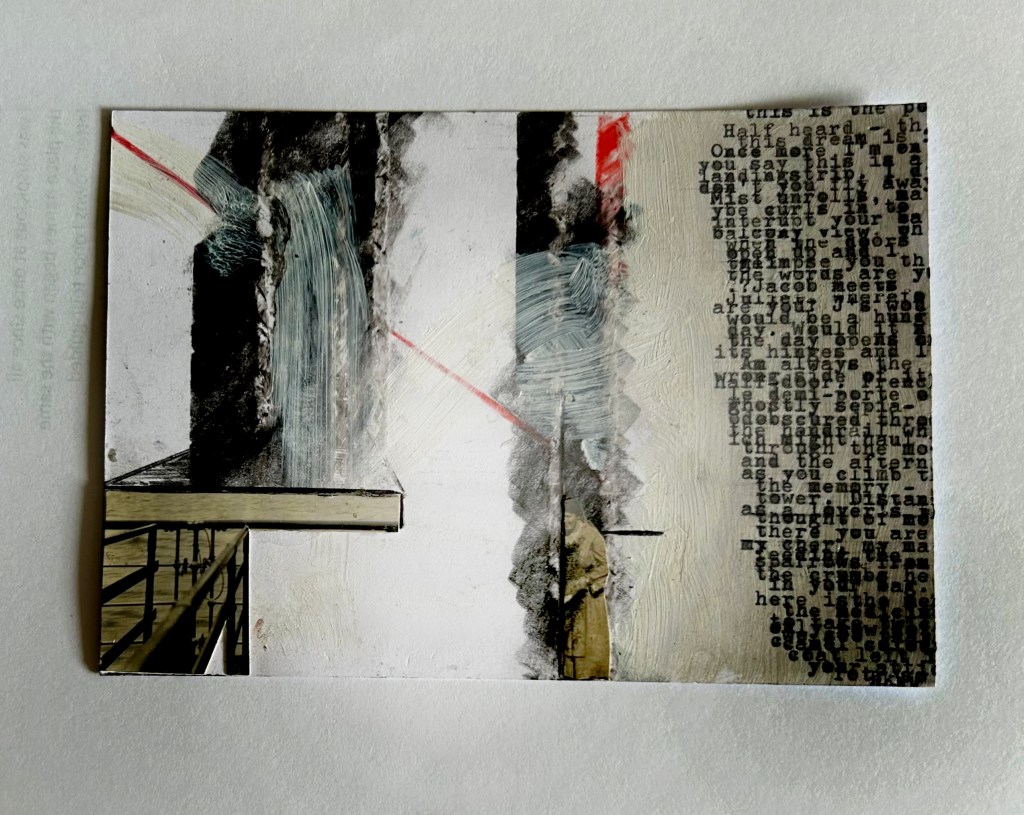
Viewfinder

Artwork © Rupert Loydell, 2023
At moments of high peak
dreams show errors 
in our genetic code:
arrows on the skin’s map
erasures concealed by grammar.
We practise the waltz steps
between dots strewn on marble.

In our lives’ antechambers
the cameras record us blushing,
holding hands, sharpening knives.
Like in any rehearsal, the blades fall
on past things, on future plans.
Time decides for itself how long
the echo, how short the call.

There are no corrections. 


© Maria Stadnicka and Andrew Morrison, 2023.
Poem published in International Times on 30/09/2023.

Memøry Høuse Art Project

What I mostly remember about the past is a sum of absent encounters, people and things missing; summers, winters, in fact, years melted into a reservoir of images and experiences that are working their way slowly into my future. What I refuse to remember travels along as an indispensable companion to my imagination and my creativity. Understanding this companionship has been one reason for extending my PhD research on the Romanian diaspora in the United Kingdom and collective memory, to build Memøry Høuse. As an art collaboration, Memøry Høuse is searching for a point (or many points) of integrating social memories. Someone recently made me wonder whether this project is a constellation of remembering opportunities. It might possibly be true as not all memories make sense in words. Some are barely perceived in my body, in colour, in sound; or in places and in people. To some extent, my awareness of their existence often frees me from my own enslavement and, as a researcher and writer in this context, the enslavement of the generation I belong to: The Romanian Children of the Decree.

As the Memøry Høuse project evolves, my hope is that these memories will find a place of acknowledgment and, instead of travelling wildly, will begin to settle, find a home, or build their own house on a land that was once foreign but so familiar now.

My gratitude and so many thanks to the artists involved in this collaboration: Amanda Bonney Lowery, Mark Mawer and Andrew Morrison.

More updates will follow as the work continues. The exhibition Memøry Høuse will take place in February 2024.

© Maria Stadnicka, September 2023

Memøry Høuse Art Project

What I mostly remember about the past is a sum of absent encounters, people and things missing; summers, winters, in fact, years melted into a reservoir of images and experiences that are working their way slowly into my future. What I refuse to remember travels along as an indispensable companion to my imagination and my creativity. Understanding this companionship has been one reason for extending my PhD research on the Romanian diaspora in the United Kingdom and collective memory, to build Memøry Høuse. As an art collaboration, Memøry Høuse is searching for a point (or many points) of integrating social memories. Someone recently made me wonder whether this project is a constellation of remembering opportunities. It might possibly be true as not all memories make sense in words. Some are barely perceived in my body, in colour, in sound; or in places and in people. To some extent, my awareness of their existence often frees me from my own enslavement and, as a researcher and writer in this context, the enslavement of the generation I belong to: The Romanian Children of the Decree.

As the Memøry Høuse project evolves, my hope is that these memories will find a place of acknowledgment and, instead of travelling wildly, will begin to settle, find a home, or build their own house on a land that was once foreign but so familiar now.

My gratitude and so many thanks to the artists involved in this collaboration: Amanda Bonney Lowery, Mark Mawer and Andrew Morrison.

More updates will follow as the work continues. The exhibition Memøry Høuse will take place in February 2024.

© Maria Stadnicka, September 2023
Memøry Høuse Art Project

What I mostly remember about the past is a sum of absent encounters, people and things missing; summers, winters, in fact, years melted into a reservoir of images and experiences that are working their way slowly into my future. What I refuse to remember travels along as an indispensable companion to my imagination and my creativity. Understanding this companionship has been one reason for extending my PhD research on the Romanian diaspora in the United Kingdom and collective memory, to build Memøry Høuse. As an art collaboration, Memøry Høuse is searching for a point (or many points) of integrating social memories. Someone recently made me wonder whether this project is a constellation of remembering opportunities. It might possibly be true as not all memories make sense in words. Some are barely perceived in my body, in colour, in sound; or in places and in people. To some extent, my awareness of their existence often frees me from my own enslavement and, as a researcher and writer in this context, the enslavement of the generation I belong to: The Romanian Children of the Decree.

As the Memøry Høuse project evolves, my hope is that these memories will find a place of acknowledgment and, instead of travelling wildly, will begin to settle, find a home, or build their own house on a land that was once foreign but so familiar now.

My gratitude and so many thanks to the artists involved in this collaboration: Amanda Bonney Lowery, Mark Mawer and Andrew Morrison.

More updates will follow as the work continues. The exhibition Memøry Høuse will take place in February 2024.

© Maria Stadnicka, September 2023

Memøry Høuse Art Project

What I mostly remember about the past is a sum of absent encounters, people and things missing; summers, winters, in fact, years melted into a reservoir of images and experiences that are working their way slowly into my future. What I refuse to remember travels along as an indispensable companion to my imagination and my creativity. Understanding this companionship has been one reason for extending my PhD research on the Romanian diaspora in the United Kingdom and collective memory, to build Memøry Høuse. As an art collaboration, Memøry Høuse is searching for a point (or many points) of integrating social memories. Someone recently made me wonder whether this project is a constellation of remembering opportunities. It might possibly be true as not all memories make sense in words. Some are barely perceived in my body, in colour, in sound; or in places and in people. To some extent, my awareness of their existence often frees me from my own enslavement and, as a researcher and writer in this context, the enslavement of the generation I belong to: The Romanian Children of the Decree.

As the Memøry Høuse project evolves, my hope is that these memories will find a place of acknowledgment and, instead of travelling wildly, will begin to settle, find a home, or build their own house on a land that was once foreign but so familiar now.

My gratitude and so many thanks to the artists involved in this collaboration: Amanda Bonney Lowery, Mark Mawer and Andrew Morrison.

More updates will follow as the work continues. The exhibition Memøry Høuse will take place in February 2024.

© Maria Stadnicka, September 2023
Sine Loco

Abstract things. Summer Week.

Photography: © Maria Stadnicka, 2023

Tree Chopping

Photography: © MStadnicka, MMXIV ‘Late O’

(after Rainer Maria Rilke)


River bank meadows have
all the time in the world.


Their pulse slows to a teardrop 
before any changes in weather. 


It turns to cement, turns to
salt mixed with root clumps,


for winter seeps through layers
of sunset under glass ceiling.


Our tree chopping season grows 
heavy with chalk, a burial site for


the things we once loved that
have fallen and broken in to pieces. 


© Maria Stadnicka, June 2021, Stroud.

Exodus. Chapter Ten. Paragraph Four.

© JStadnicki, Factory MMXXI, Gloucestershire

I am seven, I have committed a crime and I am going to prison where my brother won’t visit for fear of being locked up as well. My mates say if I stare at the classroom walls Mister Williams can’t read my thoughts; a plaster-god weaved a shield around my body that made me invisible.

Open your Bible at ‘Exodus’ chapter ten, paragraph four, he says.

[…and Moses answered: Oh, God, I am slow of speech…]

I spent so long in the company of my laptop that I am becoming a keyboard. I jump over squares in conversation when real things are the wrong way around. They are so loud it is impossible to miss them even if I can barely see at all. Each shortcut leads to a mistake I had made, to a crime I will commit. 

Press “space bar” to be born.

Press “escape” to swear in emojis.

I bear the weight of a full stop God’s tongue drops on my back. I trusted God to wake me up for school with a packed lunch. At breaktime I hear rumbling and my heartbeat. Mister Williams warned me: when you get upset your heart grows a claw which pokes at the ribcage until you pass out. 

To avoid passing out, I have stolen a girl’s lunchbox. I am a thief who will go to prison and die hungry.

How do you plead? Guilty or not guilty?

It gets lighter. I eat my past in small bites and praise the Lord. 

© Maria Stadnicka, April 2021

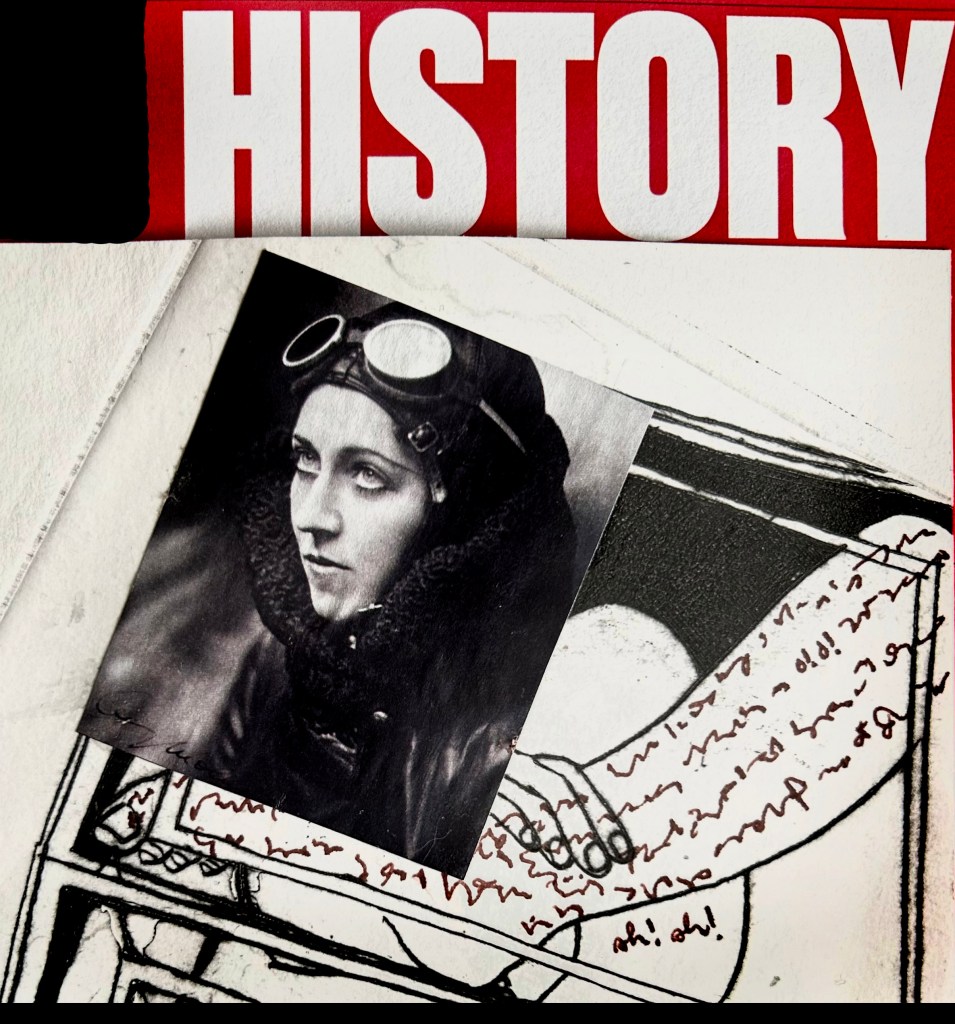
Vertical Takeoff

On 1st October 1972, having just left the Soviet Union, Joseph Brodsky wrote in the New York Times a five-thousand words article in which he condemned the political climate in Europe, and worldwide, evaluating its dangerous principles and hunger for domination and destruction. Brodsky expressed his scepticism in reference to all ‘political movements’ which he described as ‘structured methods used to avoid personal responsibility.’

Brodsky defended his belief in a different, and superior, system built on ‘personal movements – movements of the soul when a man who looks at himself is so ashamed that he tries to make some sort of change.’ The article, translated from Russian by Carl Proffer, appeared tangled, verbose and aimless; it sounded like so many other disoriented voices coming from dissidents and defectors of the era but those who managed to read it in full recognised its unswerving accuracy in describing a failing world system.

Seamus Heaney called it a moment of literary ‘vertical takeoff’, crucial in establishing the capacity of language to go farther and faster than expected and thereby provide an escape from the limitations and preoccupations of the self.

It was, in itself, a warning signal that politics became a psychological danger for humanity, as it engaged people in external fights with the Evil, which automatically made them begin to identify themselves with the Good. And when mankind begins to consider itself bearer of Good, it slides into self-congratulation. This is a state of complacency which Brodsky, who was stateless in 1972, saw it as the source of everything that was radically bad about people.

Brodsky carefully re-considers the role of an united writing community which is vital in opposing official points of view and which should support ‘personal movements’ by engaging the society in real exercises of reflection and learning. This engagement, however, is built on access to books, not articles about books; direct contact with ideas, not ‘pre-packed’ blurbs.

The PN Review editorial (January 2020) comments on the closure of nearly 800 British libraries over the past ten years. The Trump era defines how we conduct literature not only politics. ‘The triumph of the tweet’ reduces our engagement with books to a suite of emoticons, in which the responsibility for personal engagement with ideas is a constant forward-re-tweet and a sum of likes. Bring me someone who sits down to read War and Peace or a five-thousand words article in the New York Times. I’ll be either their friend or their follower.

© Maria Stadnicka 2021

[‘Vertical Takeoff’ was published in International Times on 25/01/2020.]


Brodsky, J. (1972) ‘A writer is a lonely traveler’. New York Times, 1st October 1972. Available here.

Brodsky, J. (1997) On Grief and Reason. Essays, London: Penguin Books.

PNR, January-February 2020, vol. 46, no.3. Available here.