Abstract things. Summer Week.
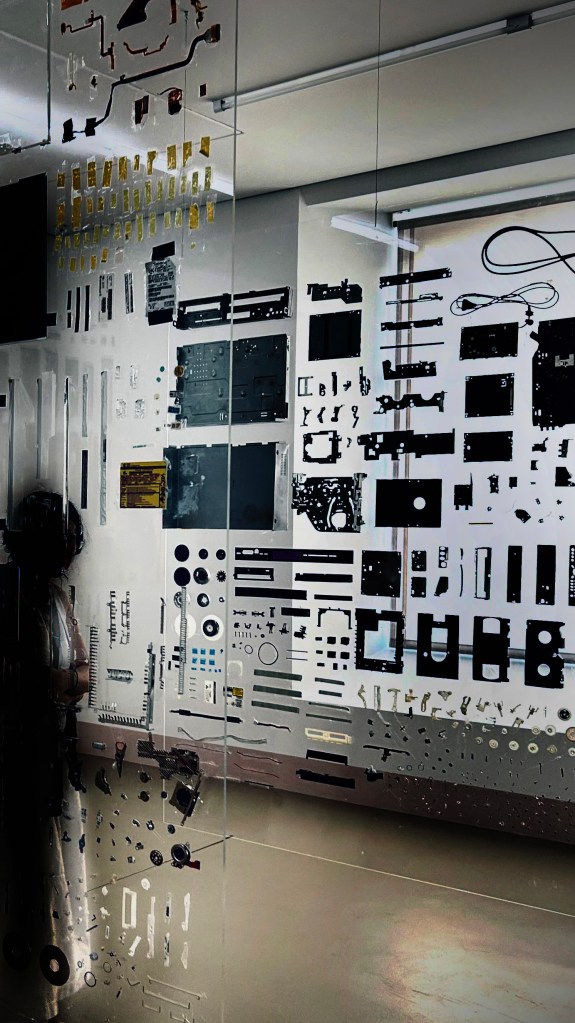

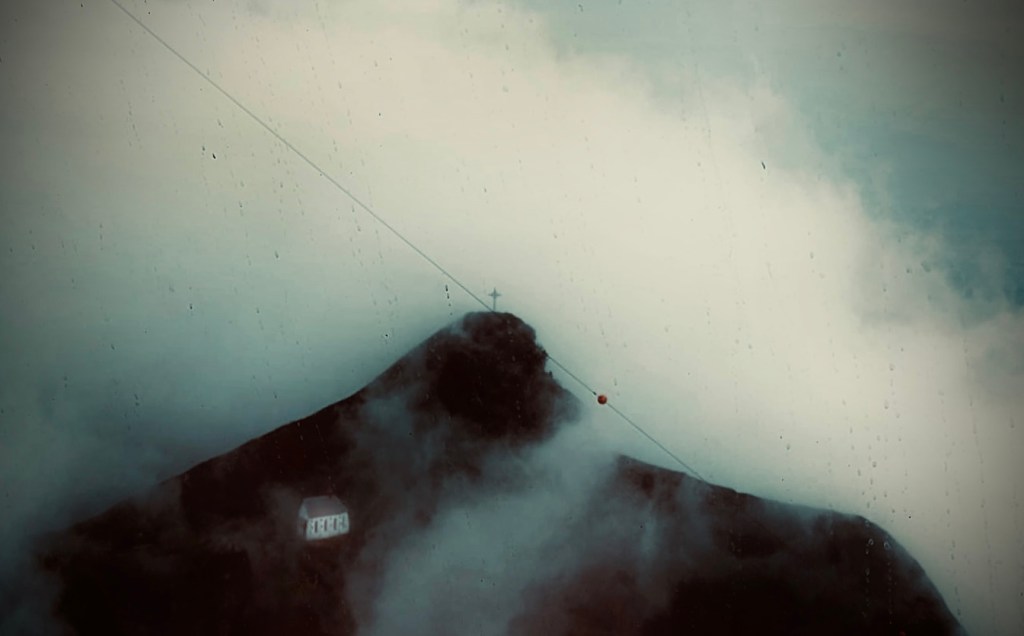
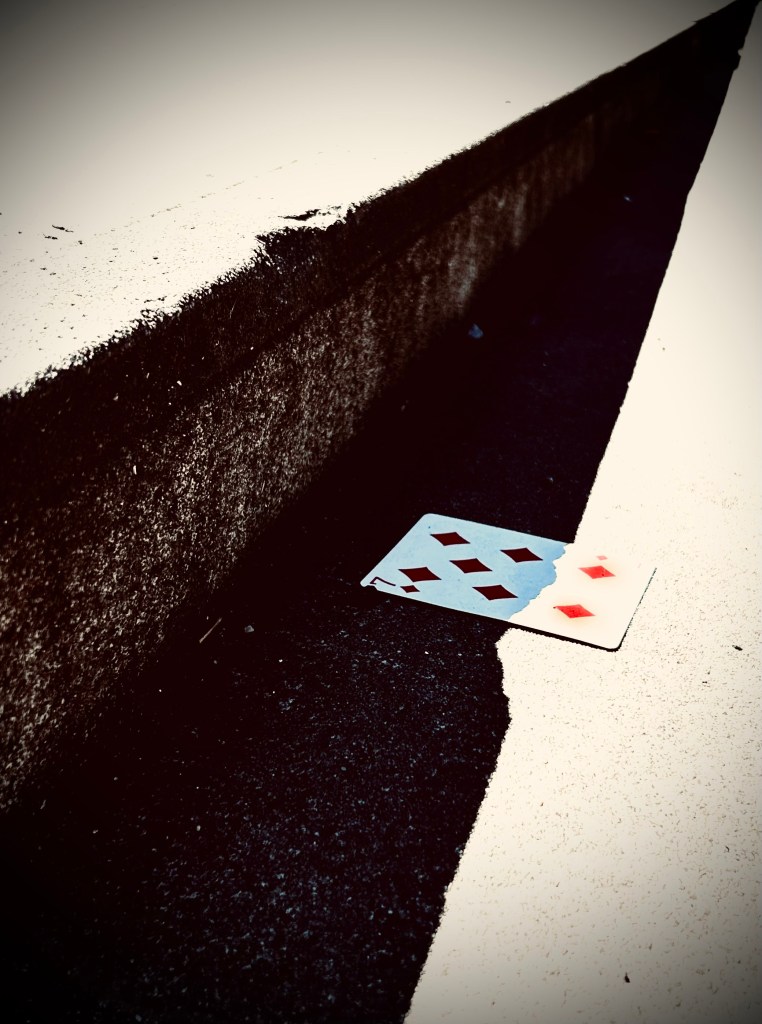
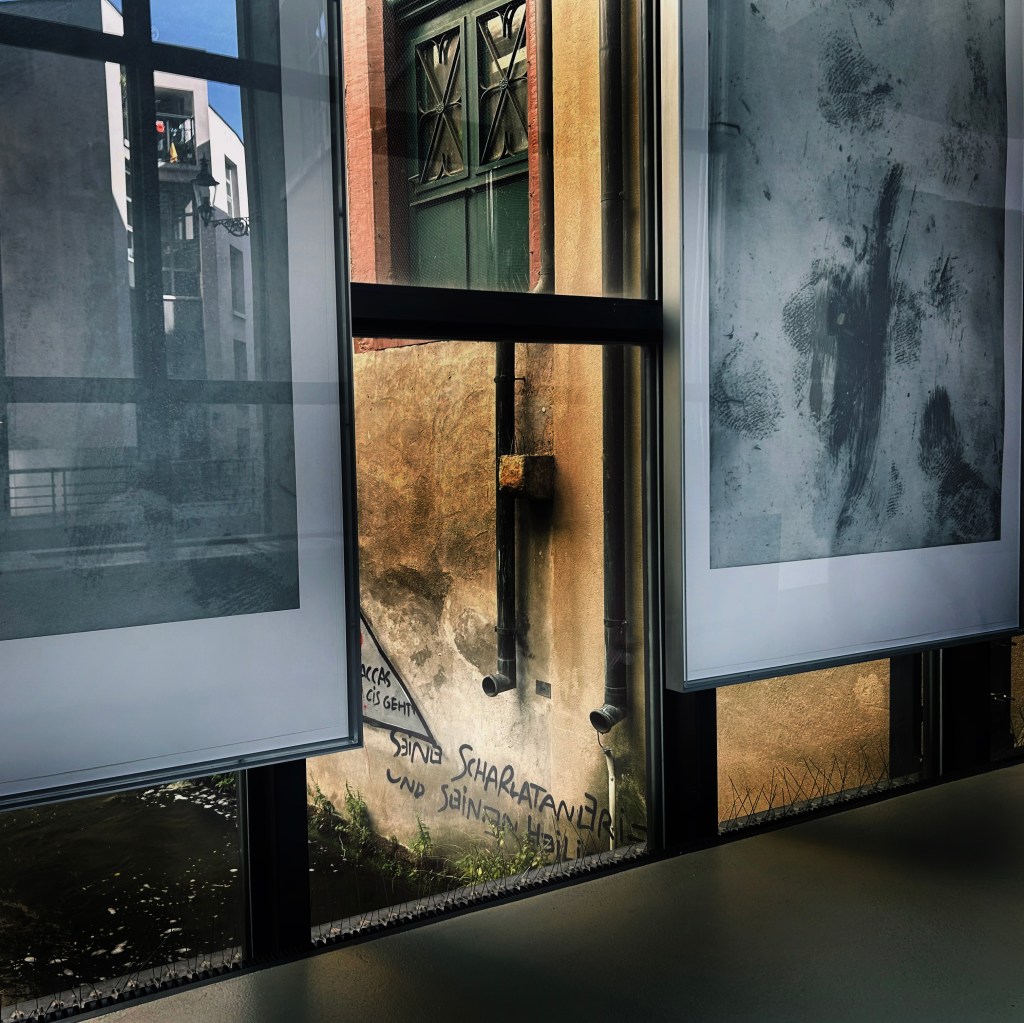
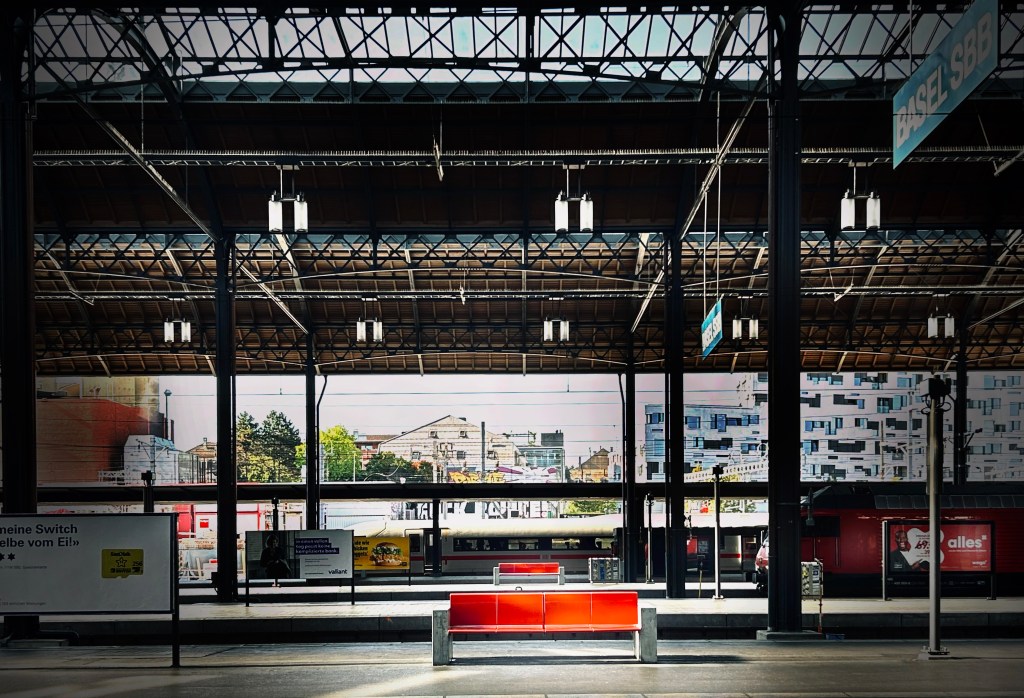

Photography: © Maria Stadnicka, 2023

Abstract things. Summer Week.
Photography: © Maria Stadnicka, 2023

Pathology
In early autumn, mornings begin
with the same letter and most things
go on so suddenly, they strike you
as brutal. You forget names and
places where both,
the self and the other, stood
counting insect bites. The ashes of
summer wakefulness, squeezed between
palms pushing against low skies.
One is taller, one is happier.
The picture resembles
a clearing dome under which you repeat
daily dressing-undressing then
sort items according to necessities:
to set aside,
to bring together, or
in readiness for the big hibernation.
© Maria Stadnicka, 2023.

One. Stand in a glass dolls house. Turn
the key and a musical box opens.
Puppets in spiral – long days of grass.

Two. Walk to the top of a hill, watch over
those awoken by star lights. When we sing,
we do not use words.

Three. Hold tight on to the back of
a minotaur; in the labyrinth we guard
the source of our rivers.

Four. Swimming lessons. Breathing
practice for later life. Check
the sea level at regular intervals.

Five. Decide that the earliest memory is
a feeling. Someone passed it onto us
by accident. It still matters.

Six. Find a safe place, give it a nickname
or at least get a colour to fit with
the things we tell ourselves.

Seven. Pull a curtain over the ruins of
here. Convince ourselves: all we need
is just round the corner.

Eight. Travel by car, boat, bus;
the motion sickness for changing
our minds always at the last minute.

Nine. Count empty chairs at departure
gates. Fold the rest of the day
in half then gift it to strangers.

Ten. Arrivals happen when there is
no luggage left to pick up. All forgiven
out of necessity.

Eleven. The railway platform keeps
changing numbers. Watch closely
notice boards in an antechamber.

Twelve. Rush out in yesterday’s clothes,
fill up the rooms in our heart
with what is to come.
© Maria Stadnicka and Andrew Morrison, MMXXIII
published in International Times on 12th August 2023.
On 24th August 2023 it will be a year since my husband, the photographer John Stadnicki died. His untimely and unexpected sudden death has had a great impact on every person who knew John over the years: family, friends, colleagues, students, ex-students, and the art community in Stroud, Gloucestershire, where he lived and worked.

John worked at the South Gloucestershire and Stroud College for over thirty years and has been an integral part of the Arts Departments, especially the photography specialism. He was generous and supportive, and his life was about inspiring young people to believe in themselves and be the best version of themselves.
In recognition of John’s legacy and dedication to photography and to his students, SGS College has initiated the John Stadnicki Student Photography Award. The first edition took place at the end of the academic year 22-23. The prize was awarded to the first set of students, based on the votes from former and current tutors, local photographers (both amateur and professional) and a public vote.
On 24th September 2023, I will be walking 21 miles in support of this initiative, together with Andrew Morrison, Jen Whiskerd, Adelaide Morris, Chris Morris and Amanda Bonney Lowery, as we would like for this award and legacy to continue in the years to come, and to support other talented students.
If you could like to join and / or support the award, please do. Access the link below:
https://www.justgiving.com/crowdfunding/creative-department-ssoa
My gratitude goes to the Art Department at SGS, and especially to Kayleigh Reynolds for co-ordinating this initiative and for working so hard to make it happen! My gratitude also goes to the friends joining the walk and supporting this initiative.
Here are the winners of the 1st edition of the John Stadnicki Student Photography Award 2022.
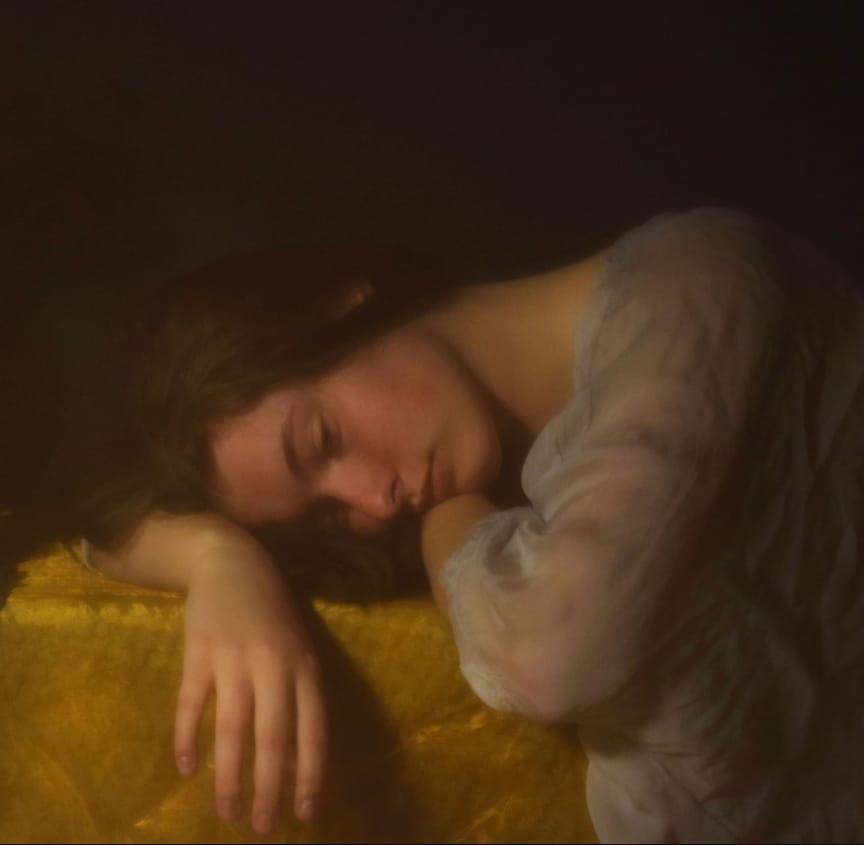
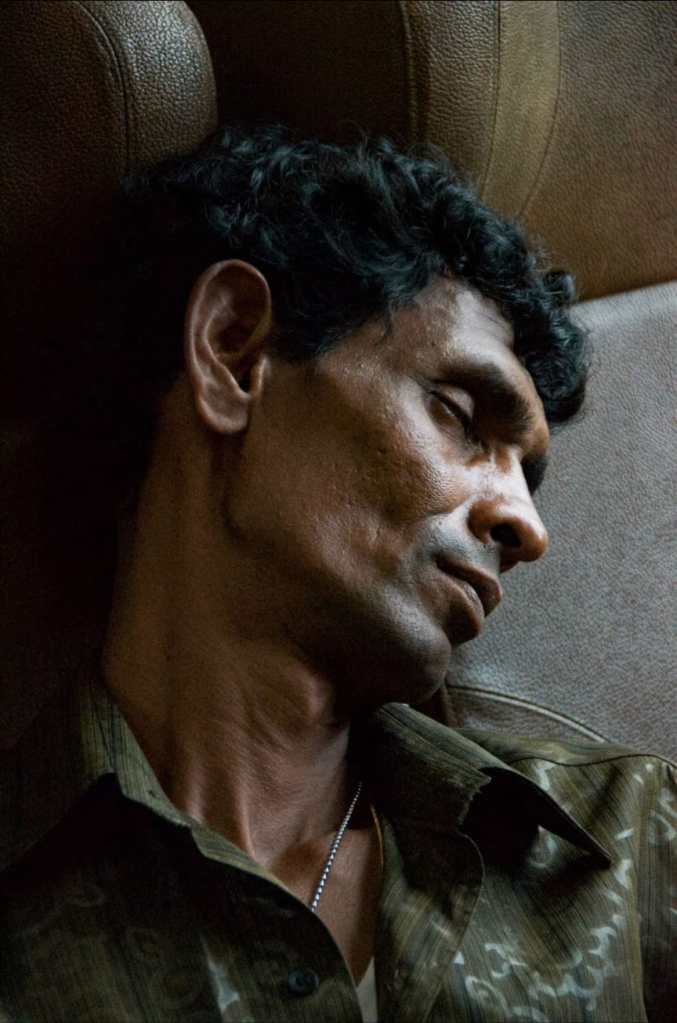

Thank you very much.
Maria Stadnicka

....    I tell the distance that
people’s names are
shorter than rivers…
threads
on the world’s spine
gliding
to the edge of an abyss
where all their deeds fall
glass-clear
to no ending
except themselves.


© Maria Stadnicka MMXXIII

I thought to post thank-you notes
but so many end up recycled.
There is no more space in your box.
People should keep the words
they send to each other for grey hours
when things seem fine then
someone hits you in the face.
Out of luck.

Only riverbank meadows have
all the time in the world.
Their pulse slows to a teardrop
before any changes in weather.
They turn to cement, to salt
and root clumps, for winter seeps
through layers of sunset under
a glass ceiling.

Blessed be those looking ahead.
They see just the edges but sleep
in the middle of things. They dream
their children when someone dies
in the neighbourhood. The funeral
takes place at an airport.

Our tree chopping season grows
heavy with chalk: burial site for
the things we once loved that
have fallen and broken in to pieces.


© Maria Stadnicka, MMXXIII / Quintilis
We arrive, at last, at a dead end.
We packed and waited at bus stops
and all the talking led us cattle to slaughter.
© Maria Stadnicka, 29 September 2022
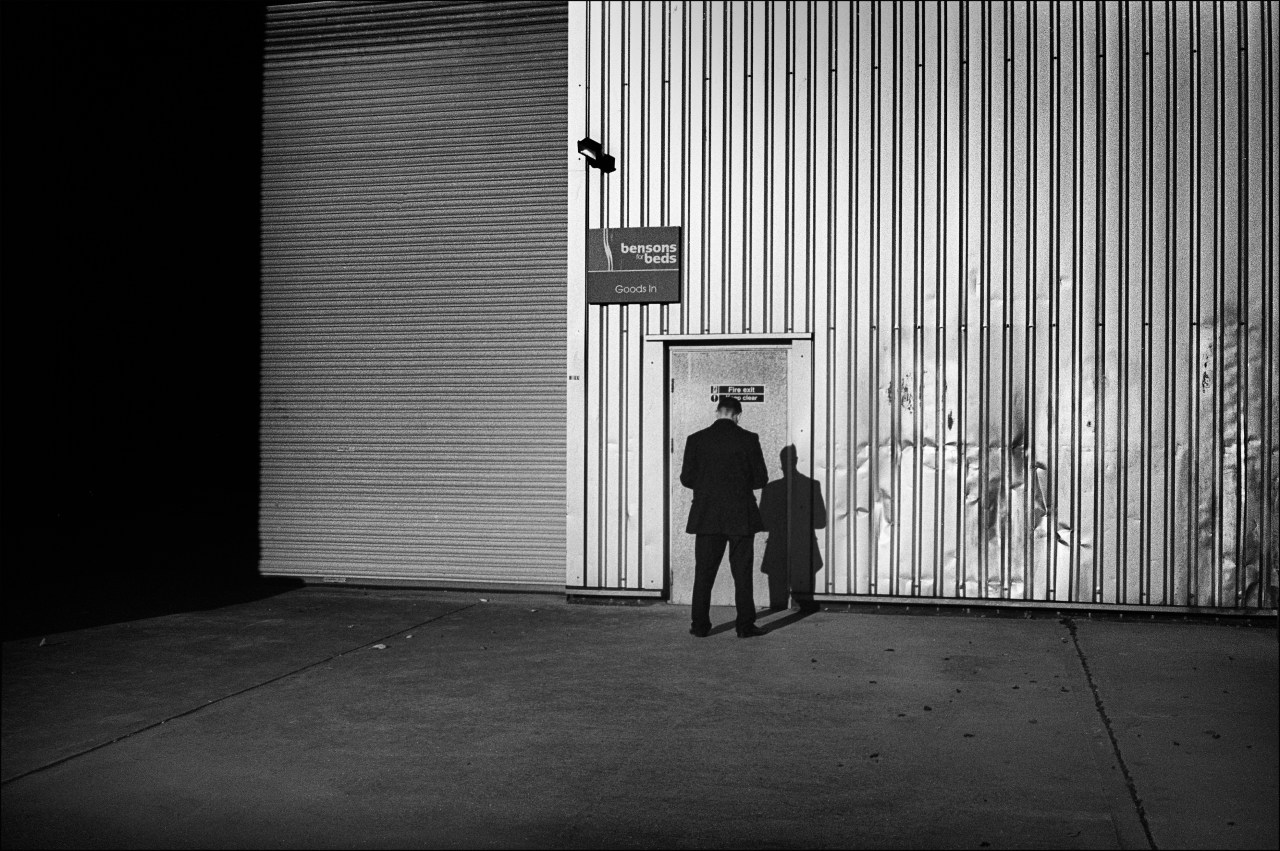
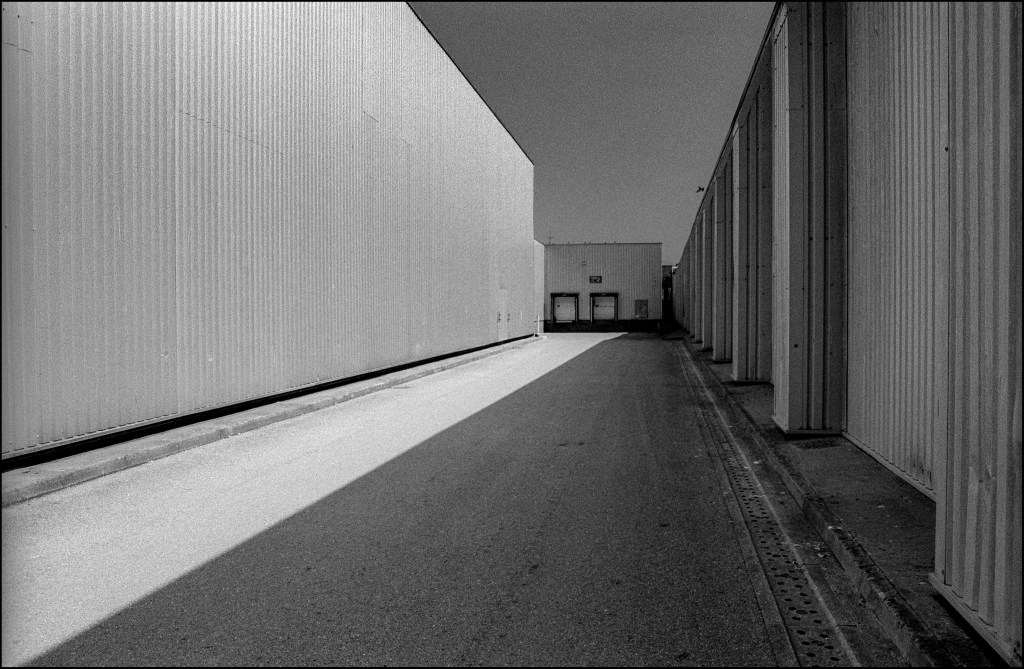
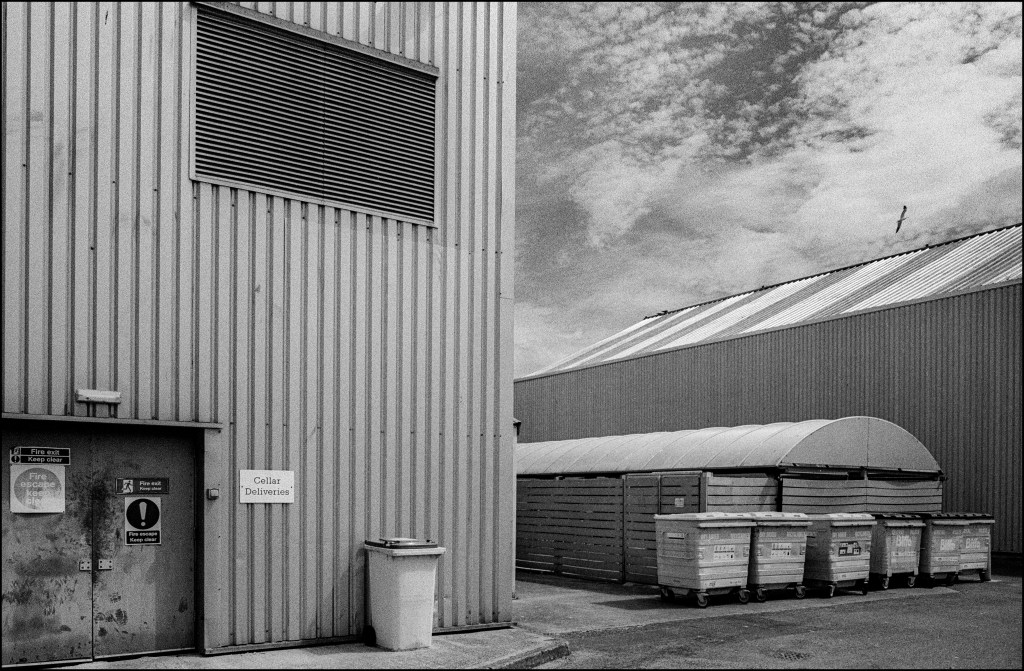
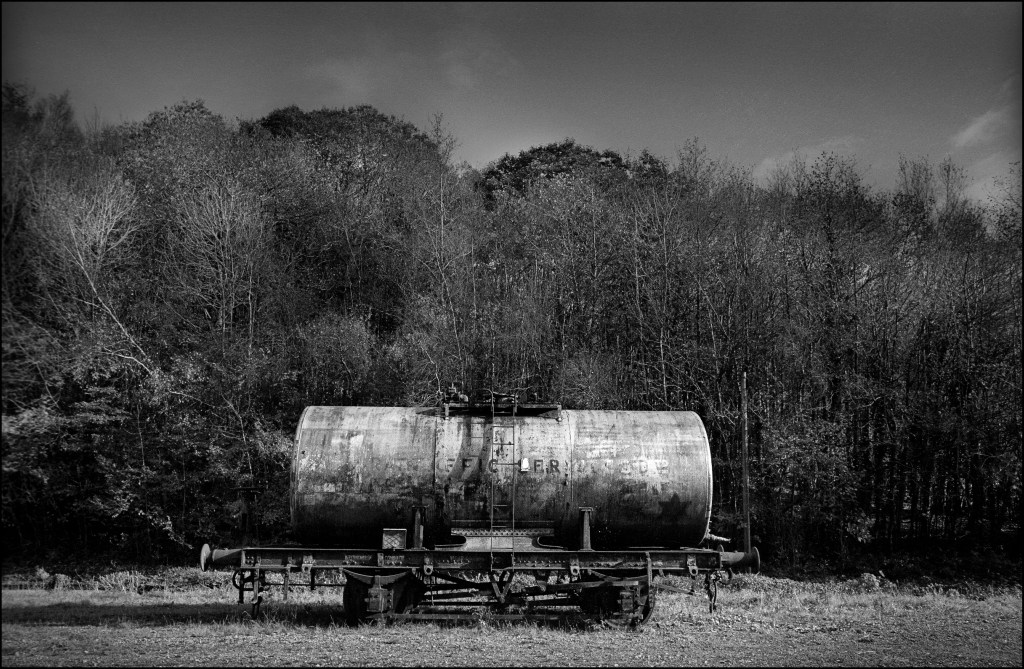
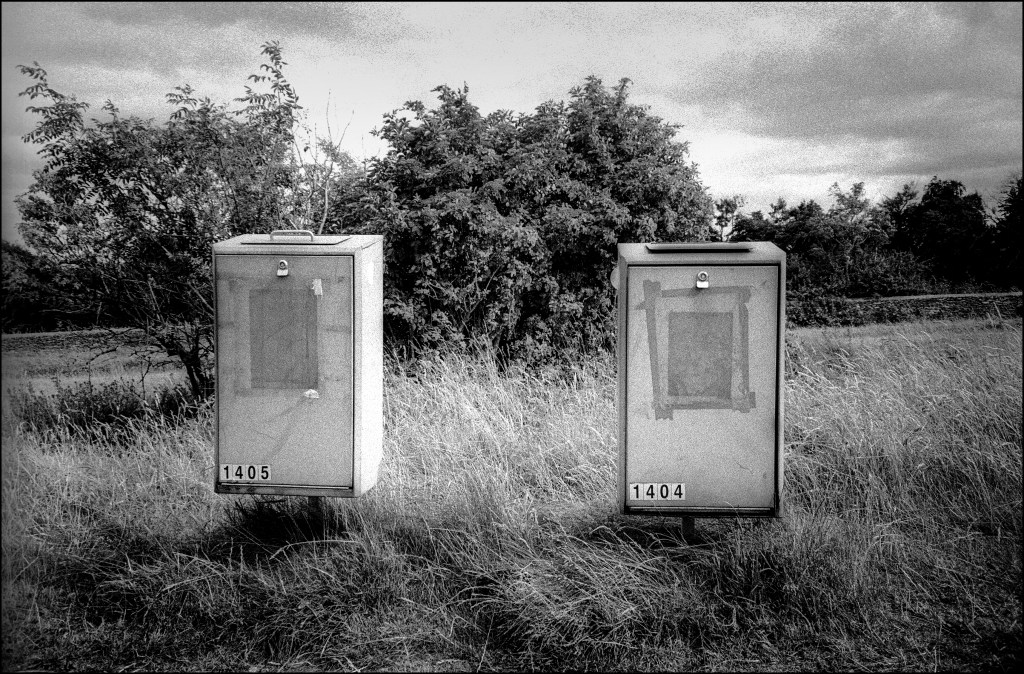
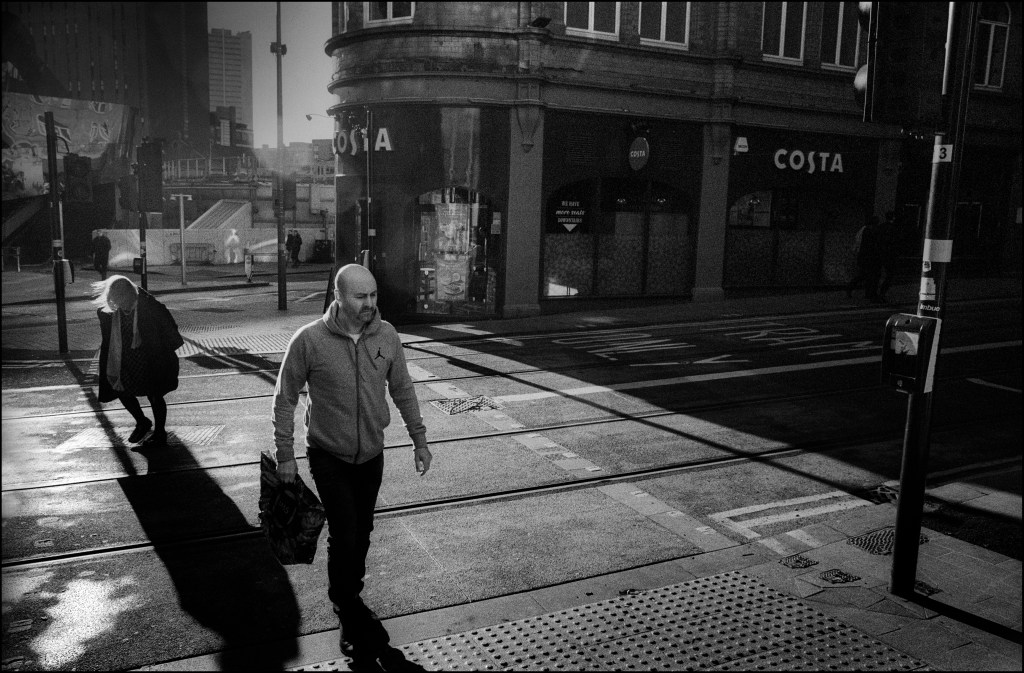
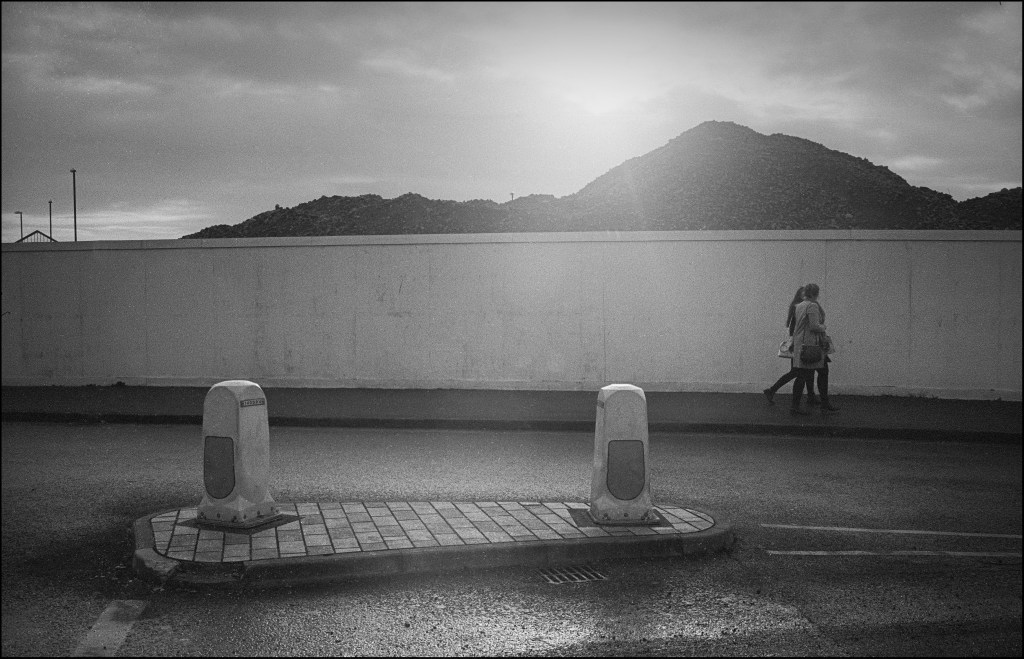
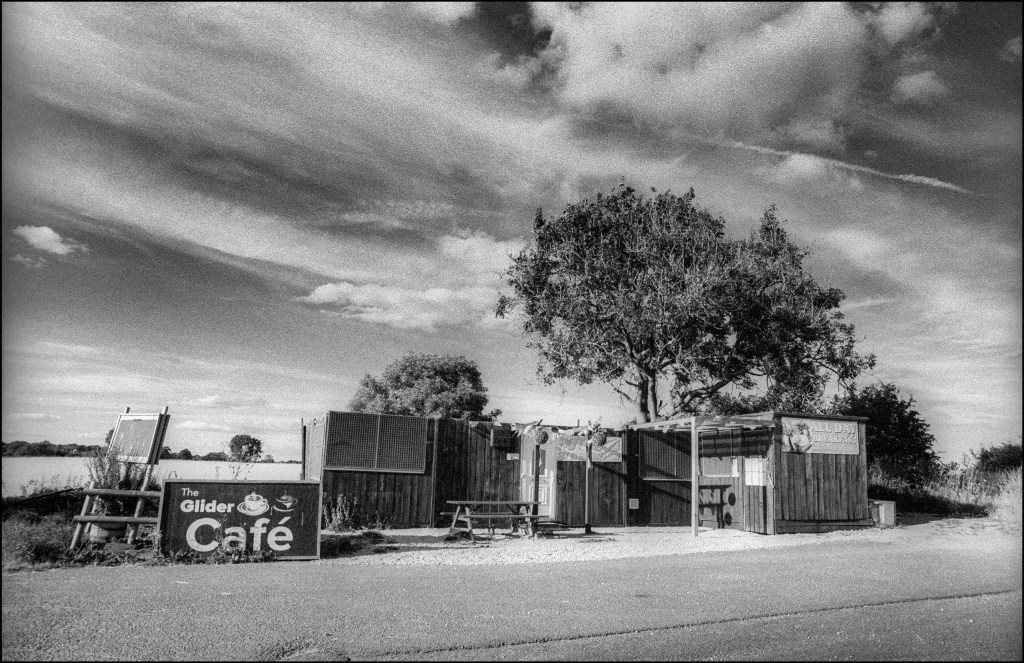
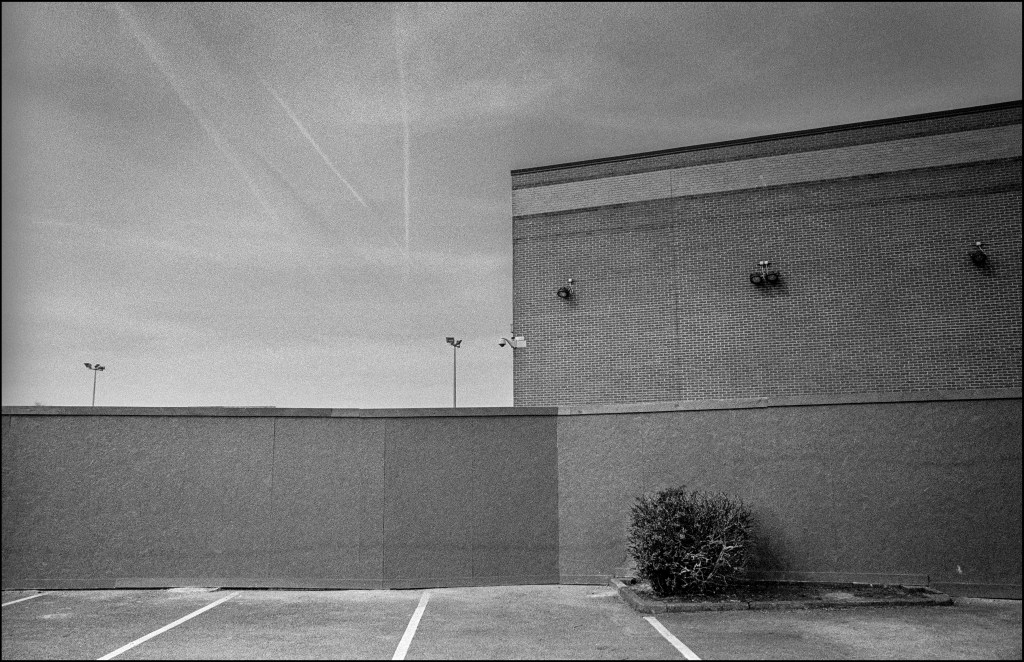
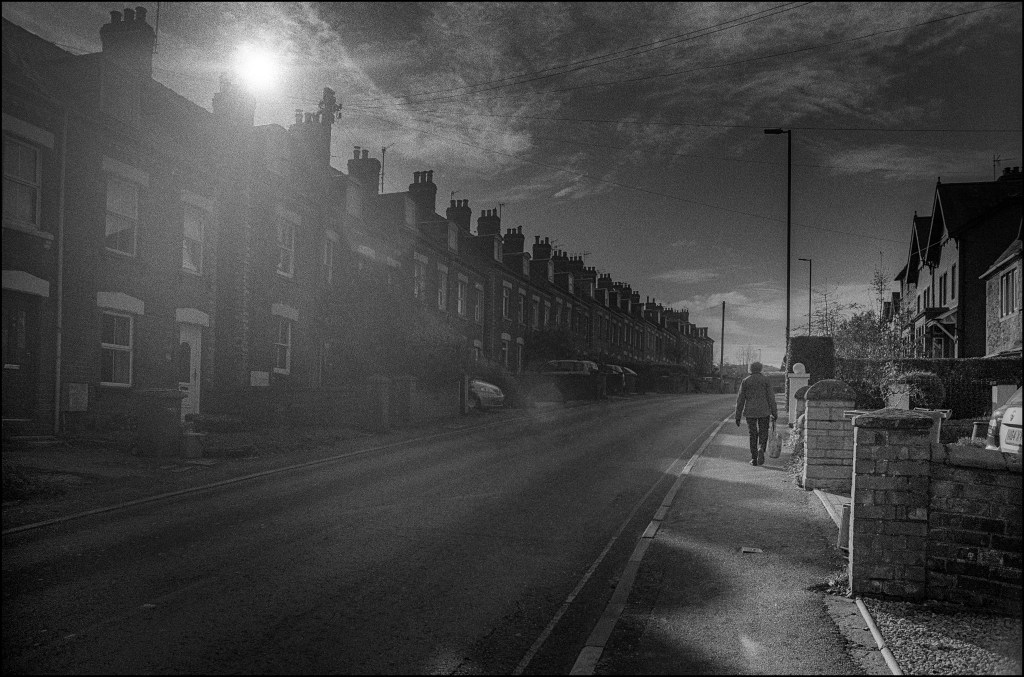
John Stadnicki’s last photographs (1-24 August 2022). Black and white film.
The Aftercrying


Dreamed I found a child sleeping
on the steps of my house; perhaps lost
back from night shifts at a nearby foundry.

His fists, the size of fruits, face up
shinning below street lamps. Everything
grey as expected in night terrors.

Blackbirds call his name, flutter
in circle. Above city parks, a time-grenade
hissing before its safety pin snaps.

Lights off. …………………………………….
I reach up holding a door key.
Open a final version of myself.


25th August 2022, Maria Stadnicka

Date: Saturday 11 June 2022
Time: 2:00 PM – 3:00 PM
Price: Pay What You Want – recommended price £7
Age Range: 16+ years
Venue: The Crescent
Romanian culture experienced dramatic changes in the transition from the Ceaușescu era to post-revolution, and the ensuing Romanian diaspora has transported these changes across Europe, including to cities across the UK and Ireland.
Join poets Maria Stadnicka and Eiléan Ní Chuilleanáin for an afternoon of poetry readings and conversation with Shannon Kuta Kelly to traverse the many ways that continued contact with Romania and its poetries inflects poetic production.
Maria Stadnicka is a writer, editor and freelance journalist who is currently a PhD researcher and associate lecturer at the University of the West of England. Her writing explores social identity, transgenerational trauma transmission, cultural theory and the ethics of memory. She is the author of five poetry collections and her poetry was highly commended for the Forward Poetry Prize 2021. Her latest collection Buried Gods Metal Prophets (2021) was included among the best poetry books of 2021 by The Telegraph and the collection, Somnia (2020), was named one of the best poetry books to read in 2020. Her latest collection, Uranium Bullets is forthcoming in 2022. She recently performed her work at Edinburgh Festival, StAnza International Poetry Festival and Cheltenham Literature Festival. She is a contributor to International Times (UK) and Dissident Voice (US).
Born in Cork, Irish poet, translator, and editor Eiléan Ní Chuilleanáin is the author of numerous poetry collections, including The Mother House (2020), The Boys of Bluehill (2015), which was shortlisted for the Forward Prize for Best Collection and The Sun-fish (2010), which won the International Griffin Poetry Prize. She has translated numerous books including The Legend of the Walled-Up Wife (2012) by the Romanian poet Ileana Malancioiu and co-translated Nuala Ní Dhomhnaill’s The Water Horse (2001) with Medbh McGuckian.
Shannon Kuta Kelly is a writer, translator, and musician based in Belfast. Her work has been published in Poetry Ireland Review, the Irish Times, Body Prague, the London Magazine, and in Poetry Jukebox installations across Europe. She has collaborated with the Romanian ConTempo String Quartet for events such as the Dublin Enescu Festival and performances in conjunction with the Embassy of Romania in Ireland. She is a doctoral student at Queen’s University Belfast researching poetry and censorship in Romania and Northern Ireland.
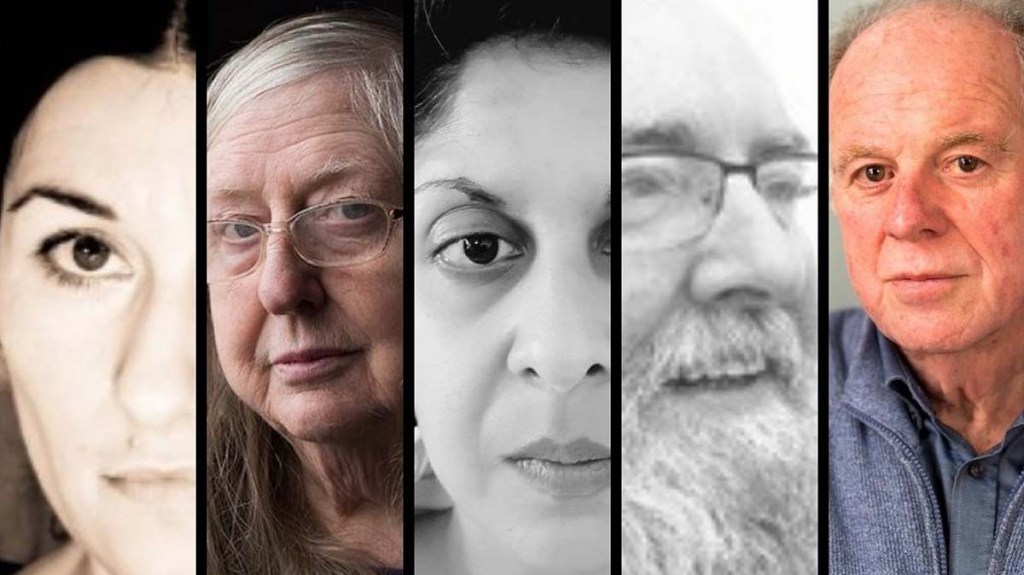
Date: Saturday 11 June 2022
Time: 4:00 PM – 5:30 PM
Price: Pay What You Want – recommended price £7
Age Range: 16+ years
Venue: The Crescent
Is writing in another language an opportunity for creative freedom?
How is poetry affected by poets working across more than one language?
Join us for an afternoon of discussion and readings that will explore not only acts of literary translation but also the many modes of translation available across disciplines.
Vahni (Anthony Ezekiel) Capildeo FRSL is a Trinidadian Scottish writer of poetry and non-fiction. Capildeo’s eight books and eight pamphlets include Like a Tree, Walking (Carcanet, November 2021) and The Dusty Angel (Oystercatcher, 2021). Their interests include plurilingualism, traditional masquerade, and multidisciplinary collaboration. They are Writer in Residence and Professor at the University of York, a Visiting Scholar at Pembroke College, Cambridge, and an Honorary Student of Christ Church, Oxford.
Maria Stadnicka is a writer, editor and freelance journalist who is currently a PhD researcher and associate lecturer at the University of the West of England. Her writing explores social identity, transgenerational trauma transmission, cultural theory and the ethics of memory. She is the author of five poetry collections and her poetry was highly commended for the Forward Poetry Prize 2021. Her latest collection Buried Gods Metal Prophets (2021) was included among the best poetry books of 2021 by The Telegraph and the collection, Somnia (2020), was named one of the best poetry books to read in 2020. Her latest collection, Uranium Bullets is forthcoming in 2022. She recently performed her work at Edinburgh Festival, StAnza International Poetry Festival and Cheltenham Literature Festival. She is a contributor to International Times (UK) and Dissident Voice (US).
Paddy Bushe is a poet and translator in both Irish and English. He has published thirteen collections of poetry, and has translated the work of Somhairle MacGill-Eain, Cathal Ó Searcaigh, Gabriel Rosenstock, Zhang Ye and Ceaití Ní Bheildiúin. The recipient of the Oireachtas Prize for Poetry in 2006, he also received the 2006 Michael Hartnett Poetry Award and the 2017 Irish Times Poetry Now Award. His most recent books are Peripheral Vision, a collection in English, and Second Sight, a selection of his poems in Irish with his own translations into English, both from Dedalus Press in 2020.
Born in Cork, Irish poet, translator, and editor Eiléan Ní Chuilleanáin is the author of numerous poetry collections, including The Mother House (2020), The Boys of Bluehill (2015), which was shortlisted for the Forward Prize for Best Collection and The Sun-fish (2010), which won the International Griffin Poetry Prize. She has translated numerous books including The Legend of the Walled-Up Wife (2012) by the Romanian poet Ileana Malancioiu and co-translated Nuala Ní Dhomhnaill’s The Water Horse (2001) with Medbh McGuckian.
Brian Holton is a translator of modern and classical Chinese poetry and fiction, into both English and Scots. He has been a university teacher and broadcaster. Brian is also a poet, singer, and songwriter, and regularly performs on stage and has appeared at literary festivals in many countries, giving talks or readings in the USA, Canada, Europe, the Far East, and New Zealand.













 Maria Stadnicka