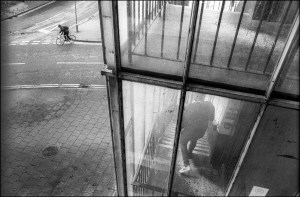
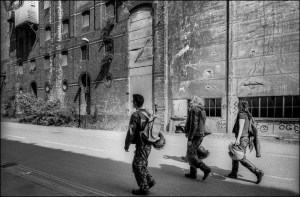
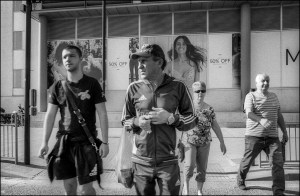
John Stadnicki Student Photography Award

On 24th August 2023 it will be a year since my husband, the photographer John Stadnicki died. His untimely and unexpected sudden death has had a great impact on every person who knew John over the years: family, friends, colleagues, students, ex-students, and the art community in Stroud, Gloucestershire, where he lived and worked.

John Stadnicki (1961 – 2022)

John worked at the South Gloucestershire and Stroud College for over thirty years and has been an integral part of the Arts Departments, especially the photography specialism. He was generous and supportive, and his life was about inspiring young people to believe in themselves and be the best version of themselves.

In recognition of John’s legacy and dedication to photography and to his students, SGS College has initiated the John Stadnicki Student Photography Award. The first edition took place at the end of the academic year 22-23. The prize was awarded to the first set of students,  based on the votes from former and current tutors, local photographers (both amateur and professional) and a public vote.

On 24th September 2023, I will be walking 21 miles in support of this initiative, together with Andrew Morrison, Jen Whiskerd, Adelaide Morris, Chris Morris and Amanda Bonney Lowery, as we would like for this award and legacy to continue in the years to come, and to support other talented students.

If you could like to join and / or support the award, please do. Access the link below:

https://www.justgiving.com/crowdfunding/creative-department-ssoa

My gratitude goes to the Art Department at SGS, and especially to Kayleigh Reynolds for co-ordinating this initiative and for working so hard to make it happen! My gratitude also goes to the friends joining the walk and supporting this initiative.

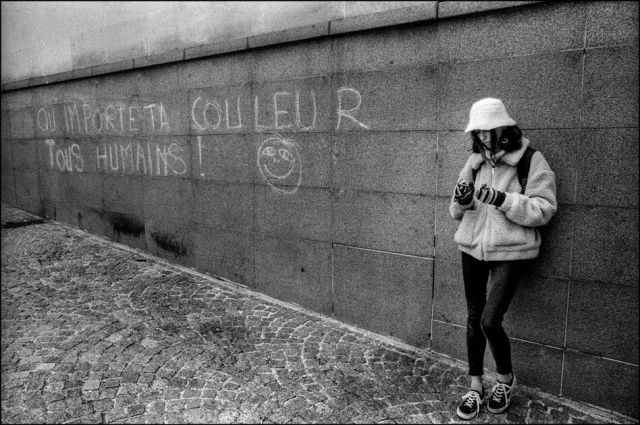
Here are the winners of the 1st edition of the John Stadnicki Student Photography Award 2022.
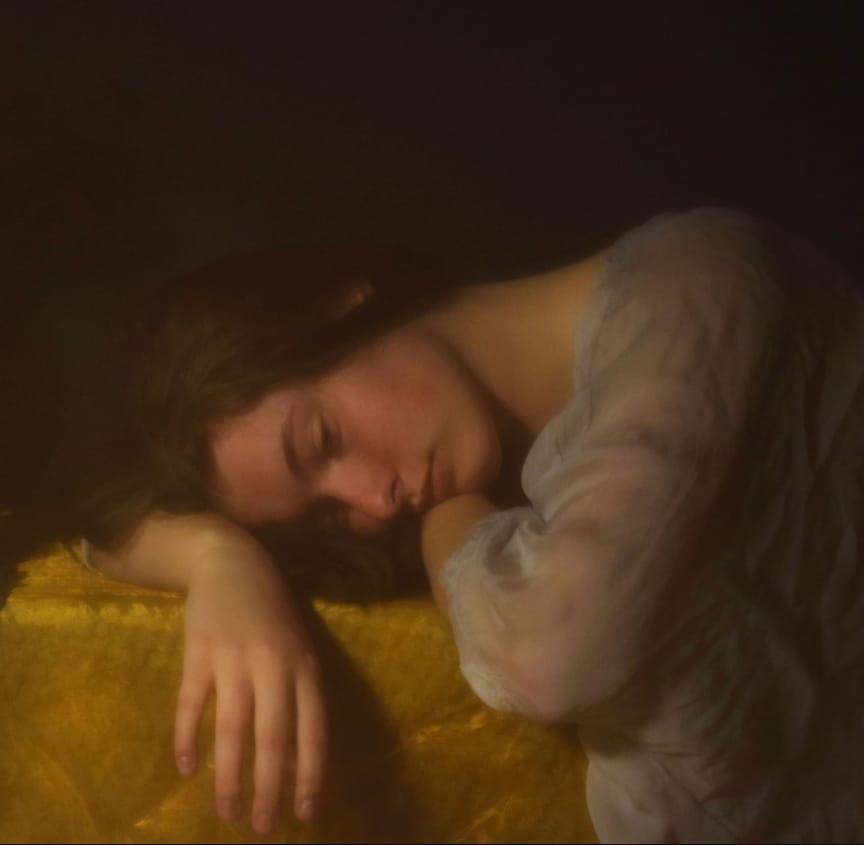
First place (winning £250): Bethan Seymour – Lady Lying.
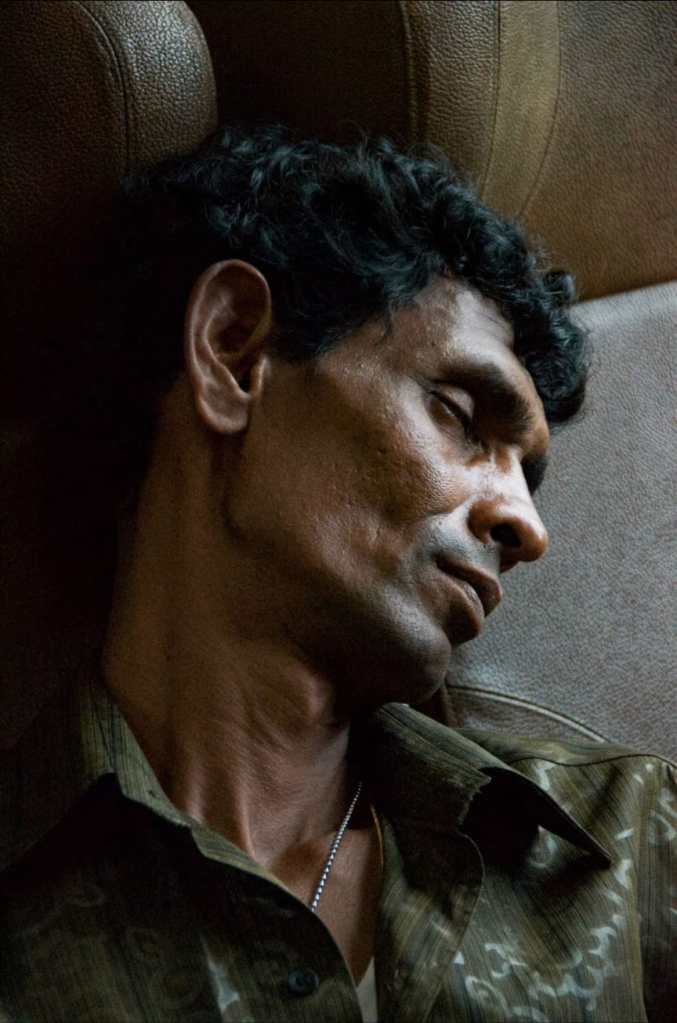
Second Place (winning £100): Lottie Jones – Man Resting.
Third Place (winning £50): Martha Haslam – Fungi Close Up.

Thank you very much.

Maria Stadnicka

If hands could talk, what would they tell me?


Photography: © Nikoletta Monyok, 2019

Further information about Nikoletta Monyok’s work can be accessed here.

Grandfather Talks Modernity

© JStadnicki 1995

During the 80s, grandfather had the habit of listening to Radio Free Europe on a crackling wireless which worked only if bashed about a few times. I understood very little of what was said in news bulletins and documentaries, but some words kept coming up in conversations he’d have with friends at the village pub. Over a couple of beers, it felt as if their banter about freedom, dictatorship, justice was a disguised form of perversity which made no sense to me at that time.

Even now, recollecting those Friday catch-ups, their invectives sound pointless, though I’ve tried numerous times to find out what they were actually upset about. It must have been in the mid 90s, after grandfather died, when searching through a pile of his old stuff I found this:

Modern dictatorships come about gradually through policies which limit the access to information, books, art, and support an education system reliant on overheads, statistical outcomes and hierarchical leagues. They emerge in communities that support equality and diversity while slowly reducing the means which offer disadvantaged people and their families the benefit of services with real impact to their lives.

Modern dictatorships embed themselves in services which monitor and limit freedom of speech, and flag out people who disagree (or have the potential to disagree) with official discourses; they also produce political directives to serve partisan interests, while dominating the public discourse with narratives designed to create fear and panic.

Modern dictatorships ask citizens to report friends, colleagues, neighbours, and scrutinise differences between people instead of promoting inclusion and common purpose; they also make people obsess over how bad things can be, when they should stimulate creativity and learning. If people are born equal, they should develop equally. This cannot happen when they are scared. There is no progress after punishment, just pain and bitterness.


© Maria Stadnicka 2020


Published in International Times on 1st February 2020.

Hermit Age

© JStadnicki, Paris 2019

Technology and I are not on good terms as of late. Due to limited memory space, mobile apps keep freezing. Vodanex contacted me a few times already with updated offers then with sound advice which I politely requested to have mailed over. The experts suggest that my memory clutter is most probably coming from the BooksApp; too many pages left open in standby. The longest kept on the waiting list has been Is God Happy?* I flick through an essay on socialism which Leszek Kolakowski started at page fifty-eight and finished at sixty-four. My phone pings: Congratulations! Time for a break! You now reached your daily reading goal!

© Maria Stadnicka 2020

[From ‘Hermit Age’ sequence published in International Times on 25/01/2020.]


* Kolakowski, L. (2012) Is God Happy? Selected Essays, London: Penguin Modern Classics.

…where once was a meadow…

This slideshow requires JavaScript.

Photographs: © Maria Stadnicka, Stonehouse, 2019

Image

Sky

Landscape with Buses


On both sides of the frontline,

orchards in bloom.

People buy and sell goods,

occupy central squares,

dogs run after barefoot children

with grain baskets – linen flags.

Buses on schedule, taxis in queue.


Business as usual.

Gunshots, grenades, mortars.


Stray barks come out of houses

with blown-up windows. Splinters

rising – morning’s canines.

Soldiers wake up to the call to prayer,

switch radio on, shave by the roadside.

Nametags rest in shoe polish tins,

heat bakes bread already sliced.

Buses carry wounded further inland.


Poem published in Sweat, Ink and Tears, 8th Jan. 2019, available here.

©Maria Stadnicka, 2019

Minor Voice

Photograph: ‘Air – 2018’, ©JStadnicki, 2018


to Robin Wheeler

…………………………………………

I saw a man leaving a water glass

at a junction where the elm tree,

he used to know,

had been suddenly cut down.

…………………………………………

©Maria Stadnicka, 2018


Gallery

World Cup Suburbia


Photography: ©John Stadnicki, 2018

Wales. Time spent somewhere other than here.

This slideshow requires JavaScript.

‘It is unfortunately hard to recall our quasi-permanent concern with the future, for on our return from a place, perhaps the first thing to disappear from memory is just how much of the past we spent dwelling on what was to come; how much of it, that is, we spent somewhere other than where we were.’  (de Botton, 2002)

Photography: ©John Stadnicki, 2018